Dawn Brunke's Eight Week Conversation With Her Deceased Husband Bob | EP 484
What if death didn't end the conversation? When Dawn Baumann Brunke's husband Bob died suddenly in September 2024, she had 20 years of experience communicating with animals across the veil. But nothing fully prepared her for losing her partner of 33 years. What happened in the eight weeks that followed became her most extraordinary book yet — Talks with Bob: A True Story of Love, Death and Life in the Afterlife. Every morning, Dawn would settle in with her coffee, open her laptop, and keep ta...

 Apple Podcasts
 Spotify
 Castro
 RSS Feed
 What if death didn't end the conversation?
When Dawn Baumann Brunke's husband Bob died suddenly in September 2024, she had 20 years of experience communicating with animals across the veil. But nothing fully prepared her for losing her partner of 33 years. What happened in the eight weeks that followed became her most extraordinary book yet — Talks with Bob: A True Story of Love, Death and Life in the Afterlife.
Every morning, Dawn would settle in with her coffee, open her laptop, and keep talking to Bob. And Bob kept answering. What he shared from the other side — about his passing, about what the afterlife actually looks like, about love and expansion and time — is tender, surprising, and deeply hopeful.
This episode is especially close to my heart. I work with widows and widowers every day, and the fears they carry are real. Is my loved one okay? Do they still think about me? Will I ever feel close to them again? Dawn's story doesn't just offer comfort — it offers evidence. And I moved her up months in my booking queue the moment I finished this book.
In this episode, we explore:
- What Bob experienced at the moment of his death — and why he didn't suffer
- The "bridge" between the living and the dead, and how you can meet your loved one there
- Why your loved ones are still with you, still growing, and haven't forgotten you
- Parallel lives, alternate timelines, and the eternal NOW
- How to open yourself to connection — even if you're not a medium or animal communicator
About Dawn Baumann Brunke: Dawn Baumann Brunke is an author, animal communicator, and dream enthusiast living in Alaska. She is the author of 10 books exploring consciousness, animal communication, and the nature of reality. Her latest, Talks with Bob, documents eight weeks of daily conversations with her late husband from the afterlife. A second book in the series is coming within weeks of this recording.
🔗 Find Dawn's book Talks with Bob wherever books are sold
What reso
Visit the Grief 2 Growth store for FREE items as well as other tools to help you along your journey:
- Guided Meditations
- My book GEMS of Healing (signed copy)
- My Oracle deck to help you connect with your loved ones
- Mini-courses
- Mini-guides
Check it out at https://grief2growth.com/store
Grief doesn’t follow stages, timelines, or rules.
If you’ve ever wondered, “Am I doing this right?”—you’re not alone.
That’s why I created the Grief Check-In.
It’s not a test. There are no right or wrong answers.
In just a few minutes, you’ll gain clarity, reassurance, and language for what you’re experiencing.
👉 Visit grief2growth.com/checkin
This deck is a labor of love. It's a 44 card oracle deck that's about connecting you to your loved one in spirit. The deck comes with a companion digital guide that gives you an affirmation, a reflection, and an activity for the day.
Check it out at https://stan.store/grief2growth/p/oracle-deck
🧑🏿🤝🧑🏻 Join Facebook Group- Get Support and Education
👛 Subscribe to Grief 2 Growth Premium (bonus episodes)
📰 Get A Free Gift
📅 Book A Complimentary Discovery Call
📈 Leave A Review
Thanks so much for your support
Close your eyes and imagine. What if the things in life that caused us the greatest pain, the things that bring us grief, are challenges. Challenges designed to help us grow to ultimately become what we were always meant to be. We feel like we've been buried, but what if, like a seed, we've been planted? And having been planted, we grow to become a mighty tree. Now, open your eyes. Open your eyes to this way of viewing life. Come with me as we explore your true, infinite, eternal nature. This is Grief to Growth, and I am your host, Brian Smith. Hey there, welcome to Grief to Growth. I'm Brian Smith, and if you're new here, I'm glad you found us. This show exists for the moments when life cracks us open in ways you didn't expect. When someone you love is gone and the world keeps moving, but you can't quite move with it. We talk about grief, loss, consciousness, and the questions that feel too big to say out loud. What happens when we die? Are the people we've lost still with us? And is it possible that love doesn't end? It just changes form. I bring guests who've lived these questions, not just studied them. So if you're new here, again, welcome, welcome to Grief to Growth. My guest today is Dawn Bowman-Brunke. And Dawn has spent her life listening to animals, to dreams, to the quiet signals that frankly, most of us learn to ignore. Dawn is the author of 10 books. She's an animal communicator and a dream enthusiast living in Alaska. Dawn has built her entire body of work around one radical premise. And that's that consciousness is far more expansive than we've been taught to believe, and that real connection doesn't require physical presence. But then that was put to the test. Her husband, Bob, died unexpectedly after 33 years together. And everything she thought she knew was put to the test. What happened next became her most extraordinary book yet. Talks with Bob is a true story of grief, love, and an ongoing conversation that refused to end. Through dreams, inner world encounters, and shared thoughts, Dawn and Bob kept talking, and what Bob shared from the other side offers a glimpse into the afterlife that is tender, surprising, and deeply hopeful. Now time works differently there. Love keeps expanding, and the divide between here and whatever comes next may be far thinner than we think. And I got to tell you, I read this book and it really enhanced the way I think about the afterlife in the way of only a handful of books I can think of did, so I wanted to rush to get Dawn on, so that's why she's here with me today. If you've ever lost someone to wonder whether the silence of follow-up was real, whether the connection you had could possibly survive death, this conversation is for you. Dawn's story might just change what you believe is possible also. If you want to continue this conversation after the episode, head over to grief2growth.substack.com. You'll find an article there about today's discussion where you can comment and connect with me and with other listeners. And with that, let's get started with Dawn Brunky. Hi Brian, thanks for that lovely intro. Yeah, again, thank you so much for being here. I said in the intro, I kind of alluded to the fact that my schedule is booked out, we're recording this in April, and I'm booked out through November, but when I read your book, I was like, I've got to get you on now. There's a handful of books I've read that really impacted me, and this is definitely one of them. Oh, great, great. Well, thank you. Thank you. You know, it didn't start out to be a book. It was just conversations, and I am an author, so, you know, within a couple of weeks, I was thinking, maybe that's a book, maybe that would help people. And you didn't ask this, but I'll just tell you that the format of the book is basically the conversations that I had with Bob day after day after day. So they kind of meander and they're about a lot of different things. And it was a challenge for me because the editor in me likes to organize and summarize, you know, and this is more of an invitation for readers to come along and just experience what we experienced, which was a gentle unfolding about the afterlife, about relationship, about my process through grief. And you're right. In the very beginning, you said, you know, grief cracks you open. And that is the word. It just cracked me open. And and, you know, and then we're open to a lot of different possibilities of how we choose to move once we're opened like that. Yeah, absolutely. Well, before we get into into the book and everything, I like I always start by ask people, tell me about Bob, tell me about your loved one. Oh, well, he was great. He was I live in Alaska. He was an Alaska guy in hunting, fishing, that kind of thing. He was very much what you see is what you get. No pretenses. Very solid. You know, he had he had his challenges like we all do. You know, he thought he was right about most things. Yeah, we all do. Yeah. And so, you know, a lot of discussions that way. He was just a really good hearted person. Not not, you know, I mean, I'm I would say I'm more a little more intellectual and more into the metaphysics. He wasn't he was very supportive of my work with animal communication and he experienced it and believe that was true. But he was just very, very matter of fact. He loved to help people. He was a great neighbor. Always loved to tell a story. The man you could not shut the man up. He was just a talker. Yeah. And, you know, most everybody who met him really appreciated his his huge generous heart. Yeah. Well, I feel like I got to know him a little bit through the book and he sounds like like a really great guy. And I love the way your relationship actually even evolves as you guys are moving through this this eight week period that the book covers. But so Bob passed away in September twenty twenty four, I believe. Yeah. September eleventh, twenty twenty four. Yeah. Yeah. Oh, tell people just really quickly about about his passing and and when did he start to communicate with you? Yeah, it well, it was very unexpected. He had been on my neighbors, my elderly neighbor's roof, you know, just days before clearing Moss off with a hose. And, you know, he was a healthy guy. He really was. The day before he passed, he he worked evenings at an air force base to keep wildlife all the off the runways so that the military flights could come and go. So he slept during the day. He worked in the evenings and the day before he woke up in the afternoon and he told me he had bad heartburn. And, you know, he got up and I got him some toms and some ginger ale and, you know, and then and then he was like, OK, I feel better. So it wasn't looking back. I see that as a little, you know, red flag that came up. But it, you know, he got up, had dinner, went to work. And then the next morning I got a call. And as soon as I got a call, as soon as I heard the phone, I knew I just knew and his supervisor told me that he had collapsed and he had gone, you know, and and it's as you know, it's a shock. You do get cracked open and it is a shock. And I remember hearing the voice of the supervisor talking to me and my own voice is saying, you're in shock. You're in shock, you know, and shock to me was helpful. It's an anesthetic of sorts to get through a couple of days. And it was within a couple of days that actually was that first night I was sitting in the living room, just, you know, your thoughts are just all over the place. Right. But I felt Bob's presence. I didn't feel his presence there. And it wasn't a big, deep, profound, magical thing. It was just a knowing, a quiet inner knowing. And a few days later, I had an experience walking around a lake and I it was actually quite beautiful. It was a little lake. My daughter was there. She said, we have to get out of the house. We're walking with our dogs and she's ahead of me. And it's a misty day, very misty day. But a kind of sunny early September or mid September. And I'm coming around the lake through some trees. And when I come out of the trees, I see the lake and I see the sun coming through the clouds in just this very particular way. And it looks like there's champagne bubbles in the air. And I I in that moment, I felt Bob here on my right shoulder and he whispered in my ear, I'm in your heart. And it was just this very profound. Again, unasked for just very kind of organic thing that happened. And I called to my daughter and she came back and I told her what happened. She goes, Mom, I felt it too. Wow. So there was this lovely confirmation early on. And from that point on, I would it was my habit because I love dreams, as you said, a dream enthusiast. And so in the early morning, I would often just lay in bed and kind of take in the dream world and transition it to to waking life. And I started hearing Bob or sensing him. Let me say it that way. I would sense his presence. And I felt him sharing kind of little dream images with me, almost sensations or visuals of what it was like for him. And that just evolved into a conversation back and forth. And I would say within a week or 10 days, I got to the point where, you know, so much was happening there. And I would because I'm a writer, I want to write it down. So I get up. So we transitioned to a point where I would get up, have my coffee, get out the laptop and just start typing down our conversation back and forth. And that's really most of what you're reading in the book is that daily early morning conversation we were having. Yeah. And there's so many things I love about the book. But one of the things I love a lot is because I think it's 60 or 70 percent of people who have lost a spouse report some sort of afterlife communication with them and they they either deny it or are they scared to tell other people about it? And, you know, we really need to have these conversations where people realize this is not as uncommon as people think. Now, your level of detail with Bob is unusual. And I wonder how much of that you think is because of your work before as an animal communicator, because you're with animals. And I guess both living and dead. Yeah. OK. OK. Yeah. So, yeah, I had done that work for about 20 years. So I had a good foundation of how to do that. And it was just very natural for me. I never took a class, anything like that, it just kind of happened and evolved. And it's odd because when he died, I did not think of communicating with him that way. It was very kind of reached out to me, you know. And and so and I and I also empathize with people. You know, we doubt we doubt. I doubted it even after 20 years of doing this work. I was like, hmm, am I projecting this? Am I just missing him so much that I'm seeing what I want to see, hearing what I want to hear? You know, so we have to reckon with that. Or I did anyway. I have a strong inner skeptic. But so many things happened that confirmed to me. You're really hearing this. This is really real, you know, and then it became fascinating. And then I started following my curiosity and asking questions because it's something we all want to know, right? What happens when we die? It's what happens. Yeah, we do. And I tell you, I have a friend who just lost their their significant other a few weeks ago, and I feel so bad for her. And one thing she posted today, she said, you know, I don't get any signs. And she said, I just want to know that she's OK. You know, and that that's like the number one thing people want to know. It's like, is my loved one OK? And I think this book, even though Bob's situation is specific and we'll talk about some of those things, I think one of the things we can always say is our loved ones are OK. I think so. I think without a doubt, they're all OK. Yeah. Yeah. And so that, you know, Bob passed from a heart attack, a sudden, you know, a heart attack incident. Yeah, it's a heart incident. Yeah. So we you know, another thing we think is like our loved one. What was it like for them? You know, did they suffer? And I know you got some pretty good detail about Bob's passing. Yeah, I was I was fascinated by it. Like what happens? What were your experience? And he told me or shared with me visuals and actual feelings of his death numerous times. And it was almost like it was a crystal. Right. And he was showing me one facet one time, then another facet, then another. You know, and I think it evolved his understanding of that as he evolved there. So, yeah, he went kind of into I mean, the short version is he kind of went into this dark space, not a bad space at all. Just a separating space, you know, where he saw some geometric figures and then he was in a park like setting and his family was there and his friends were there and it was great. And then he thought of us, myself and my daughter. And he wished back and was looking at his body that kind of above, you know, and he realized it was it was too late. It was too far damaged to come back, you know. And so there was this kind of back and forth and then a gradual acceptance of being in, you know, the afterlife. Yeah. And I think his curiosity kicked in then, too, because he had a lot of really interesting experiences. And yeah, absolutely. You know, and I think, too, for people who are wondering again about their loved ones that have just passed. I think there is a sense and I've heard this from other near death experiences and others, a sense of being home, you know, and a sense of comfort and something. It's something you've always known, even though on Earth we forget. You know, we come here kind of with amnesia, right? And we forget things. And then you open, you expand in your spirit. And there's a sense of comfort there, I think. Yeah. And I think one of the things that the questions that people often have, because I studied near death experiences, a lot of had a lot of near death experiences on and people will say, well, this person had a near death experience and they were given a choice and they came back. I know if my loved one had a choice, they would come back. And I know some people say, no, I didn't choose to come back. I was forced to come back. But Bob's case is really interesting. It sounds like his it's like his body was too far damaged. And there is there is a limit to what our bodies can take. Right. So if our body is damaged too badly and we're out, we may not have the opportunity to come back. Yeah. And there was a sense that this was planned, if you will. Yeah, it was his path and it was his. And later on, there are some discussions in the book about and in the second book about it being his his choice, you know, really to go in that way at that point in time and because it had to happen. Yeah. I know you had Jonathan Ashford on and he talks about that a little bit. You know, how some things happen because they need to happen. Yeah. Well, from from our perspective, from the people up behind, death is always a tragedy from the perspective of the soul. It's it's not necessarily a tragedy. And it's a foregone conclusion that we're all going to pass at some point. It's just a matter of of when and how. Yeah. And it's and I tell people it's never enough time. You guys were together for the thirty three years. Thirty three years. Yeah. It's never enough time. I've had so many people say, I just want it more time. It's like, I don't know anybody that said it's enough. My my father in law passed. They've been together for, I don't know, I'm going to say about 60 years. Yeah, probably more than 60 years. My mother in law was like, it was too soon. I didn't expect him to go. So I think that's just always going to be the case. Yeah. Yeah. Yeah. You know, and and it's what we're used to and it's what we love. And so when that's gone, you're forced to really reevaluate everything about your life. Yeah. So for Bob, he finds himself on the other side. And so it sounds like it's kind of an evolution, you know, when he got there. And I think there's some things that are that are unique about our afterlife experience and some things are kind of, you know, kind of universal. And he talks about that. Now, he was a big outdoors guy, right? So describe the environment he found himself in. Yeah, well, it was a park like setting. And he had every year he loved to go on this hunt by himself, a solitary hunt for moose. And I had just bought him this really nice tent and a titanium lightweight stove. And, you know, so anyway. And I was telling my daughter, because we're looking at it in the garage. I'm like, your dad is going to be so irritated that he didn't get to go on his hunt, right? And the next morning in that in between space, he said, I'm going to go on the hunt. I'm like, what are you going to do that? And he did proceed to tell me about this in between space, if you will, kind of between physical life and and the afterlife. And it's kind of a melding of that of that space. And he did go on his hunt. And it wasn't a hunt in the sense that he was going to kill animals. It was a hunt that he was going to deepen in awareness with animals. It was very unique. He showed me how he was pointing his finger. And if the animal saw him and looked into him, he would have the opportunity to learn about the animal. So it's so interesting, you know, how that in itself, I think, was an evolution and a deepening of what it means to hunt and be hunted. And that theme was consistent for him for about a month because he went on a hunt with his other selves. And at one point, he said to me, you know what, I'm hunting, right? And I go, what? He goes, I'm hunting myself. I was like, yeah, you're hunting your deeper self. You know, you're looking for that deeper sense of connection between your many aged selves, between you and physical, you and spirit. So, yeah, it was that was also an evolution of the way that he would see the world. Yeah, it was just a really interesting concept because you talked about his other selves, so he was seeing himself at various ages and actually meeting with these with these beings that were that were him. Yeah. Yeah. And that's kind of how he did his life review. And again, it's I will say I will preface this by saying Bob was very clear numerous times that everybody's afterlife experience is unique to them, to how they understand the world and their personality. And so Bob was very much a do-it-yourself kind of guy. So he was going to do his life review the way he was going to do it. Right. Yeah. And that's one way that he did it was meeting with his other aged selves, especially younger selves that had trauma or that had, you know, misunderstandings in life. And he was kind of able to to follow his challenges in life to those earlier selves and to kind of see how they developed and how those challenges affected him later in life. So, yeah, it was a type of self-healing, I might call it. Yeah. And that's what, you know, it was interesting because it's not a life review in terms of like judgment or stuff. And again, as you said, it's everybody's is probably going to be different. But I thought his was really interesting because it was this kind of integration of these various selves and also introduces some ideas that really just blow my mind, like parallel timelines and alternate lives and stuff like that. So some of that stuff kind of kind of comes in there, too, and gets explained at least a little bit for me. Yeah. Yeah, that was interesting because he did introduce the idea of alternate lives, past lives, we might call them. And what was interesting to me? I mean, I thought it was educational, right? Oh, what was our past life together? That's how you sort of begin, right? But when we went into those experiences, Bob was of the opinion that we could talk to our alternate selves in those lives and help them. And I thought it just deepened the experience for me because we were actually affecting changes. Maybe you'd say it throughout time, throughout different realities. And and those cells were affecting us. And I think that just was a whole different way of looking at reality and how we perceive the world. Yeah. So you you kind of touched on this earlier. Your process became like you would you would wake up in the morning. You would you would have these in between stages also. So you you actually experienced Bob in dreams, I think in between stage. And then you'd sit down with your laptop and you would you would continue the conversation with them there. Right. Right. Yeah, I wanted to get it all down because so much, you know, so much of it was kind of wispy and yeah. And later I was really appreciating because little things that were talked about one day were then picked up in another and kind of carried through. And yeah, it was a whole it was a whole connected thread that was divided up by days. Yeah. And like, you know, you mentioned the editor in yourself and the I guess the temptation to organize about love. I love the organic flow there because we kind of we get we get to go on this journey with you as you and Bob are going on. And we see Bob his his involvement in the afterlife. And and because there were there were some guides there also, but they seem to kind of kind of step back because it sounds like Bob is like, I'm going to do it myself kind of guys. And they're like, we're here if we need if you need it. Yeah, yeah, they definitely were there. And he refers to them often. And and sometimes he would bring in guides like experts, you know, to do a guest appearance. But I'll say one other thing about that, which was in the beginning, Bob's voice was very much as I knew it on on earth. It was very, you know, very certain way. And as he evolved, which I really think is an expansion of consciousness, his voice changed. And sometimes he would use words or phrases that would just I would be so surprised because it wasn't like him. And oftentimes he would say things that were outside my the way I saw life. And that was, again, a little proof like this is another, you know, this is this is him in an extended state talking to me and sharing information. And we really evolved together. I think it was incredibly helpful for my own journey. And here's an interesting thing. I think I was helpful for him. And I think that's something we don't often think about with life. You know, we tend to think, oh, that person's totally expanded. But in my experience with Bob, that's not the case. You know, that there's still evolution on that side and there's still life planning and life, you know, events that affect us in that world. And so it was really helped. I mean, he said it to me several times. It was really helpful that I was there, both as an anchor in here to help him remember certain things, but also to help him expand. Yeah, it's just he was helping me expand. And that's really the beauty of relationship, isn't it, of a relationship founded in love and having that expansion. Yes, exactly. So, yeah, again, one of the things I really loved about the book was, again, him with all the you know, his his younger selves and stuff. So that all those they're all still in us. They still make us up. But also the connection again, that he they still need it with you in order to further his expansion. And, you know, again, you use these various vehicles communicating. One image I really loved was the image of the bridge that you talked about. Yeah. So tell people about the bridge. Yeah, well, it just became a really good symbol of what was happening. And, you know, it was the bridge between the physical world and the afterlife. Mm hmm. And we would travel back and forth and kind of meet on that bridge. It was as if our conversations were that way, because it is it's a segue of meeting between, you know, physicality and spirit. And and there were a lot of different experiences, but sometimes I found I could only go so far, you know, and he would say, yeah, it's like dreaming, like dream, you own dreams and then you have to bring them back. So it was a little bit of a of bustle work involved in kind of opening to that and then bringing the images back. And there's also the notion that that other people had made bridges between the living and the dead and that this was a bridge and that it was very much for everyone. You know, so you're welcome to come on this bridge because it's a bridge of connection and it is for everyone. And the more that we do that, you know, as a world, the more we openings we give, whether it's film or or music or art. You know, there's a lot of those bridges present that help us move between those states. And Bob was always the opinion that we are of spirit. We're in spirit world. We just have forgotten, you know, the bridge is something that helps us reconnect, not only with loved ones, but with ourselves. Yeah, you know, you talked about earlier about maybe being a little skeptical was am I making this up or is my imagination? And one of the things that really makes me think it's not your imagination, it's just the concepts in it are so profound and they resonate so much. And as you said, it's kind of more like a remembering. So when people read and hear these things, they're like, yeah, that makes sense to me. And that's that's just the feeling I got when I read the book. Yeah, thanks. Yeah, I think and I think that's true in life. You know, we resonate with certain things and we know it's true. We don't need it scientifically documented because we know it in our heart. We know it with our being. Right. Yeah. So we feel that. And I and yeah, I think that's why books like this or artworks or or even songs a lot of times can help us move into that space, which is more open, more. Yeah. Yeah. And so I don't know if you ever heard of the books called The Team. It's a series of books by a woman named Frances Key. And her mother had passed in the spirit and her mother channeled these books through her. It's a trilogy. And there's there's a fourth book also. And your book reminded me so much of that because it's a lot of these same concepts and concepts that to me are kind of like beyond human concepts. Like we can talk to our younger selves and help heal our past. I'm like, that's not something I would come up with on my own. Right. Right. Yeah. I mean, the whole experience for me was an opening of possibilities. And I think when we're in that space, we can take in a lot more. Yeah. Yeah. So as you're going through this experience, I have to tell you, I'm going through it with you as I listen to books because I walk every morning. So I was listening to the book and then I get this feeling like, OK, Bob's kind of starting to pull away a little bit and saying this is going to be coming to an end. And I got kind of sad. How did you feel when that happened? Yeah. Well, let's talk about more in the second book. And yeah, he was wanting to evolve. And, you know, it's like this is my perception of the afterlife from him. There's this entry realm where souls come and they kind of get acquainted. They meet their family, friends. You know, maybe they still think they're eating and sleeping and things like that. And then it becomes, you know, more open and more expansive. And you can do different things in the afterlife, you know, experience different scenes and different things. And then it becomes more formless. Right. So those places are he was of the opinion that when he goes to a formal estate, it would be very difficult to communicate. So I think he stayed in that entry level place. You know, and yeah, I didn't I at that point in my life. That was again, the book is the first eight weeks after he's died. Right. Right. Not that long. And that was the highlight of my day is to be able to talk to Bob. I was in this open, hard, expanded space. Everything was fine. And then come 10 o'clock after I looked at it and corrected for grammar and punctuation, I'd be like, oh, no, I'm in the day. Yeah, it's despair. Now I have a sadness, this loss, this heaviness. Right. So I forgot my train of thought here. What were we talking about? We were talking about when when Bob started saying that, you know, eventually he was going to be moving. Yeah. So he wanted to expand. And I understood that and I didn't want to keep him, you know, even though I wanted to keep him, I didn't want to keep him. And so there was a sense of him going to go on this adventure. And that is covered later. And he does go on an adventure. And spoiler alert, he comes back. Yeah. So and I think that was because somewhat because of these books and because of wanting to help people. And I think that actually the guide, some of his guides there were very encouraging, you know, not in the beginning, because in the beginning it was it was just us talking something. The bridge became real. It became more. How to say it, you know, I want to say concrete, it wasn't concrete, but it was metaphorically, you know, real for people to travel. And that that was an important thing and that is an important thing for all of us. Yeah. So, you know, I work with a lot of people who have lost spouses. And it's actually read a little short story about one day in heaven because I'm almost all my clients like if I could just spend a day with them, if I could just spend an hour with them just to see what their life is like, you know, then I'd be OK. And I love that, you know, you like here it is. I had eight weeks of this. But you're very honest with the fact it's like, OK, I would have this. You're on this high in the morning. You're having these dreams. You're having this in between state. You're having your coffee and you're in your writing. But then at 10 o'clock, you close the laptop and here you are. Well, yeah. Yeah. And but I will say, and especially for listeners who are going through grief, you know, for me, what happened was the universe conspired. All of my animal communication clients went away. I didn't have anything on my schedule. I'm a very proactive person. So I joined some grief groups. I read the grief books. But more importantly than that, I sat with those emotions because I made that my practice, my meditation, if you will, to really feel that grief, to feel that loss. And, you know, it does. It kind of comes in waves. So, you know, for a while you're fine. You're having lunch with friends and it's good. And then you come home and you know. And so I would really feel that sadness in my body and and just sit with that. And and then things come up, you know, old thoughts, old losses, old feelings of being abandoned. All of that comes up, you know, as you know, it's a process, right? And you're really tapping into it. I mean, for me, then it became really helpful to do that because I knew I was clearing things and I was making light of and I really move past my grief relatively quickly. And I think it was because of that, not only the conversations with Bob, but also because, you know, doing the work, doing the shadow work, if you will. Yeah. And that's that is so helpful. Yeah, I think that's again, that's a lesson I want. People are for me anyway. We can have these experiences, you know, and everybody, again, most of us, if I just got, you know, one dream or one sign or whatever then I wouldn't have to go through all the junk. And it's like, you know, we still have to go through the junk. Yeah, it's an inside job. You still got your stuff to go through. Yeah. Each of us, everybody, you know, and Bob had his stuff to go through. You know, he had his ways of looking at life and kind of what. And he wanted to. He wanted to go back there. And he did tell me, you know, there's some people who come here and they just they reincarnate right away. They don't want to have to do that. Right. Just like people here. You know, there's a lot of us who we divert, we drink or we eat whatever we do to avoid having that conversation with our deeper self. And so and it's a choice. I don't know that there's a right or wrong. I think it's just a choice of what we want to do. And I was very I wanted to I wanted to go into the depths of it. And yeah, well, and choice is a really a really good word to talk about here, too, because I remember right after my daughter passed, it was around the time that the book Afterlife and Billy Fingers was really popular. Oh, yeah, that's a good one. And a friend of mine, you know, recommended me the book. She has the best book. You know, you should read this book. And and I read it. And at the end, it's like Billy becomes so enlightened that he just goes away. And I was I was so mad. It's like this is not what I want to be reading, you know, right after my daughter passed away, because a lot of us feel like we don't we don't want to miss them. Right. Yeah. So there is there is a choice. And I think there is at least from my my understanding. You tell me if you think this if it's different from your understanding, it's like we go to this in between place and we do some of this work and stuff. And then sometimes people will go to the next level, but then they can still come back, but just they're not as attached to the earth as they were before. Mm hmm. They come back to the afterlife. You mean kind of that beginning. Yeah, they can come back and still communicate with us, is what I mean. Yeah, that's gone. It was really interesting with Bob. And I can really only speak to his experience was that he did go on this voyage to this other space, this other realm and came back. And when he left, you know, he was sort of like he would he would talk a little sassy about the guides, you know, like they're the guys again, you know, and make fun of him in a little bit of a way, not in a bad way. And he went back. And then when he came back, he's like, I think I'm going to be a guide. Right. And that's that became his work for a while is to be a guide because it I think I don't know, again, I can't speak to the afterlife in terms of my own memory. But I think with some, there is an expansion and then a very purposeful coming back. Whereas other people like the Billy Finger story, you know, just went and dissipated right into the big beyond. That's a choice. And like I said, some people come back reincarnate if you want to call it that or go to alternate lives, however you want to see it. You know, there's again, many possibilities. Yeah. Yeah. And so I think sometimes we want to pigeonhole it and say this is what it's like, but just like life on Earth, you know, we all make different different choices. We all do different things. And, you know, as I was hearing about Bob's afterlife, like this probably not be mine, spending time in a tent. It's not something that would really appeal to me. But, you know, I could see it's like, well, this is this is the way I experienced Earth. So this is like the next the next phase of that. And when people have near death experiences, sometimes people will criticize and say, well, is it is it a forest or is it a beach? Is it, you know, is it a city or is it is it, you know, whatever? It's like it's I think it's customized what we what we need to experience and we want to experience. Yeah. Yeah. The way you want to experience it. Yeah. You know, and some people have dark afterlives, you know, and they they do feel unworthy or judged in life. And that becomes a little bit of a scenario to to deal with. And Bob showed me a few, few of those. And I think he helped in a few of those. And, yeah, it wasn't his experience, but he was also very much an explorer. So he was really interested in different scenes and how different people did things. And he was still talking. He was always asking people how they died. You know, what happened? What's their story? And I think that's a common a little thread there in that in that introductory realm of the afterlife. Yeah. Yeah. So so he was experienced together. Other spirits of people across over and he experienced your mother, I believe. Yeah. My mom had passed away a number and he had a number of years ago and he had always had a close relationship with her. And so that was interesting and kind of put me in touch with her. And I think when she passed away, I was OK with it. She was kind of in a space where she was ready to go. And that was good. But I realized when he put me in touch with her that I hadn't fully grieved that. And so it was a really good opportunity to talk with her and to, you know, allow that kind of stuff to come up. And yeah, yeah. And yeah, that's lovely. Yeah. So for so again, you, I think I'm not going to say I had an advantage, but you had preparation, I guess, by doing this work and being maybe open to more subtle energies and and understand and expand the consciousness for people that are going through this now, that what would your advice be to them? They're like, because I know I can hear people right now going, how do I get some of this? How do I how do I start to experience this or open my mind to it? Do you have any suggestions? I do. It's similar to what I tell people when I do animal communication workshops. It's the first step is let go of trying. Because that's a big one there, right? Oh, dry so hard. So you want to get to a quiet space. You know, if it's for you in nature, if it's in the evening, laying in your bed or in the early morning and just be open. It's really cultivating a space of openness, a space of I'm ready to receive. I don't have to receive. I don't know how I'm going to receive. I don't know. I don't let go. And I'm just going to be open. And I would say to begin, speak to your beloved, whatever you want to say. Everything you want to say from your heart, you just start talking. Sometimes that in itself is so helpful. And then when you allow that to come out and you allow there to be an open space, you might not hear right then. But maybe that day a feather comes down, maybe that day you see a flower in a certain way or somebody says something to you that your your beloved used to say. You know, there are these very subtle signs and they come when we're not expecting them, when we're not trying so hard. You know, so that's what I would say. I'd be let go. Speak from your heart. Be open and and welcome. Welcome what comes. Yeah, well, that's just one of the first signs you said you got was you were walking around that lake and it was it was you were open to the fact that there's just that that moment kind of presented itself to you. Yeah, so just being open to those things, I find that people it's really funny because people tell me I haven't had any signs but then we'll continue to talk and then I'll say, well, except for, you know, the fact that I see the number eleven eleven all the time or this cardinal has been coming and sitting outside my window every day for, you know, for a month or, you know, stuff like that. So the signs are not necessarily huge, miraculous things. And Bob talked about like you had some animal communications also, right? Yeah, yeah. He showed up kind of sounds weird, but he would he kind of showed up a few times as an animal and it was an unusual situation. And from doing animal communication work, I can tell you this does happen a lot is that well, not a lot, but it happens that those in spirit world will sometimes use an animal to look at us a certain way or to show up at a time when, excuse me, you wouldn't expect them there or you wouldn't, you know, it would be a space that you wouldn't. And again, we go back to that resonance. There's this inner knowing you have and it is subtle. You know, you're like, what's that? Why is that cat looking at me? Right. Or you look up at birds and there's a certain movement of the birds. It can be anything. And it just it let me say it this way. It speaks to our heart. Yeah. You know, so if you can be open with your heart, that's the sweet spot really is. Yeah, it reminds me. I hadn't thought about this in a while. It was it was a few months after my daughter, Shane, had passed away. My daughter, Kale, was sitting on our deck and I was in my office here working and Kayla, I think she sent me a picture. She sent me a picture of like this butterfly and I went out there and there's this butterfly that it flew around her for like half an hour. Just kept circling around, landing on the rail right next to her. It let her touch it. And, you know, it was like we both knew that, you know, that that was Shana coming through now. Yeah. And it's interesting. I think, Bobby, like you can kind of like it's kind of like a mind belt, I guess, with with the animal that they if they allow you to and kind of influence its behavior. That's what he said from from the spirit world. It's like a I don't know if I'd say a mind belt, but it is like that. It's an ability to influence. Bobby is the word influence in animal, you know, and it's gentle and it's not a possession or anything weird like that. It's just a very gentle. And I think animals are often open to that, you know, because they're more wide open than than we are and more in tune with nature. And so there comes a desire to connect with somebody. And sometimes they allow that. Right. Yeah. Yeah. So it's very natural and loving. Yeah. Well, it reminds me of there's a woman that I know. Her name is Suzanne Wilson. She's a she's a medium and she teaches people how to connect in spirit. And one thing she talks about, she says you understand from your love inside the people, they have to learn how to communicate with the animals and to make that connection. So some people are better at that than others are. And then I guess they they have to or I hate when we say they because it's us. When we cross over, we are them. But we have to learn how to make that connection once we're over there. Yeah. And I think you're I think you're right. Some people are just more open to that than others. And, you know, we all have different areas of expertise and things that we like. And I remember later, Bob was talking about when he was a guide becoming an animal often that people, you know, spirits would be there and they not everybody would know that they had passed. Right. And so sometimes being an animal was a gentler way to convey that information, which makes me think that sometimes for us, seeing an animal, you know, we're having a butterfly circle is it's a gentle way. Right. It's a gentle way of and a safe way of touching us, of reaching us. And so maybe we're a little bit more open to that. Yeah. Yeah. Right. It's a great way to do it. Yeah. Yeah, it's kind of that that bridge, you know, that again, that part of the book, I've actually used that when I'm talking to clients about that, you know, that the bridge that we that we can build, we can meet our loved ones halfway. So I think it's a really beautiful analogy that shows that, you know, we've we've got to we've got to kind of raise our vibration to use that if you want to use that term and they kind of have to kind of to come down to where we can come to a place where we can kind of meet in the middle. And so you have some great stories about that. So I want people to understand, you know, as we're having this conversation, there is so much more in the book. So I don't feel like, you know, we're even coming close to touching it. It's it's just really, like I said, really made me think a lot about a lot of things in a very different way. But again, I was coming to the end of the book. I was like, I can't believe it's and it's it's it's a detailed book. But I was like, I was sad that it was over. And I realize it's been about a year and a half, I guess. So what's life like for you now? It's good. It's good. I mean, you know, we're going through a lot of challenges in the world. Right. So there's that. Yeah. But, you know, I would say I still talk to Bob and he's just very much a loving being and a guide of sorts, you know. And yeah, there is more. So I just want to let people know there is a second book and possibly a third. But the second book is almost ready to come out because those conversations do continue and there's some and it becomes really interesting, you know, about the nature of time and reality and and how we evolve. And in the second book, I talk more about my evolution through grief. And really coming through that how a powerful dream helped me move through that and really changed me, changed me in a way where I think I have a different foundation now, I have a different appreciation, more depth, more connection to really, you know, the deep love that's really everywhere as soon as we open to it. Yeah. Yeah, absolutely. So I'm glad to hear that there is a second book coming up, because like I said, the first book really left me, left me wanting more in terms. And I'm also kind of glad to hear you say that you're still communicating with Bob, because again, that's I think that's a big fear a lot of us have about our loved ones when they pass. It's like, well, what if they what if they move on? What if they what if they leave me? What if they don't, you know, they forget about me. And I think that is one thing I'll speak for myself when my daughter passed away, it's like, I don't want to live another 30 years, you know, at the time I was in my mid 50s. I'm like, I want to go see her now because, you know, I don't want her to evolve and become something else. So we want to be assured that, you know, where that connection is still there. And another thing I guess we didn't want to talk much about, you know, so far, it was like you talk about different lives and even talk about like a dream that you had, I believe. And you're like, were those people real? Were those characters real? And Bob's like, well, yeah, they I guess they kind of are. So let's talk about, you know, reincarnation, alternate timelines and that kind of stuff that's also covered. OK, well, yeah, I mean, reality. Yeah, you know, so in in this book, we accept the idea that there are different frameworks of reality. There's different, you know, ways of seeing that. So in terms of alternate lives, sometimes, like I said before, you know, sometimes these old you would talk about this past life and we would share this scenario. It would be the story of the life. OK, is that life exact or is that a metaphor of energies that are working? Does it matter? I don't know. Yeah. The point for me that was really most powerful was the ability to connect with those beings, those alternate selves and help them, you know, and I remember when a future self who I got to see her life and the way that she dealt and her her husband, who she who really, really loves so much was living with her in spirit. So on Earth, like in her house as a spirit. And I was like, wow, that's an interesting way, you know, to do it. Like, how do all these different selves deal with this stuff? You know, how do they evolve? So the connection or the conversation that was allowed between that affected me, maybe it affected her. So it's again, I think it's a deepening of our perception of reality. It's a deepening of our perception and experience of ourself and of others. Yeah. So it's just, again, wide open. How how how open are you? Yeah, and it's it blows my mind because I'm an engineer. So I'm kind of a literal thinker and stuff. And so I hear about past lives and parallel timelines like that. It's just kind of, again, it blows my mind a little bit. But I think probably a better way to think about might be like parallel lives. And I remember reading a book years ago. I can't remember the author right now, but she talked about seeing past lives. But she also mentioned seeing future lives. And people think, well, how could you see a future life? It hasn't happened yet. And she's like, well, they're all happening together. And so in that sense, it's like all of our little characters. We can influence the other one. We can influence even a future life. And then there may be times in our lives we felt like we got some some sort of insight or something that may be coming from our future self. Yeah. Yeah, I think so. And I think also it helps to think of I know Bob would always say, everything's really now. It's all really now, you know. Yeah. So I would think of the big now. And then I would think of, OK, but I'm in the little now. I'm in a little now right now. And so we have all these little nows and their parallel selves, alternate selves, however you want to say it. Yeah, because it's just a construct, right? So if it's all in the now, it's all happening right now. It's a mind blower. You know, we're linear here. That's how we see time. So you need to be able to step out of that a little bit in order to appreciate kind of the some of the subtleties of time. And I don't know if we can do it with our brain. You know, I don't think we can really expand to that point. Maybe you have to be in spirit to do that. But but there's ways, you know, there's ways to appreciate that. Yeah, I think that's the conclusion I've come to. In fact, it's funny, I was listening to a podcast yesterday with Neil deGrasse Tyson. And the title of the it was on my Ambiolek show. And the title was I think it was are we smart enough to understand the universe? And so I really I thought and like people like him will say, you know, we're basically intelligent chimps and, you know, chimps can't understand, you know, advanced algebra. We were these are concepts, I think, that are beyond the ability of my brain to really understand. I can use analogies, for example, I can I can travel in my mind to time. I can think about things in the past. And my understanding is when we're in spirit, we can literally be there. Right. We have that thought. And we're literally there. You talked about, you know, Bob, after he passed and the different perspectives and and being in one place and then thinking about you and your daughter and then, you know, being there. And it's instantaneous for him. That's what he would say. It's all in that now. Yeah. And I would also just add, you know, there have been humans who have had transcended experiences that have gone beyond, you know, and then and then sometimes their life's journey 20, 30 years is bringing it back and integrating it and sharing with others. So there's that, too. I just wouldn't want to limit, you know, how open we can be. I don't know. Yeah. Well, yeah. There are definitely people that have different different levels of understanding as different abilities, even being in the body. I think that's like you said, spirit, that's our natural state. Most of us are so caught up in the physical and so anchored to this point of view, we can't get outside of that. And that's I think another reason why possibly that you had this experience with Bob that that goes beyond what so many people have because of the conditioning, the work that you had done for years before that. So I'm like, I don't want to let anybody say you can't have this experience. But for people that aren't having it, don't think it's because there's something wrong with you. It's like it's just that's the natural human state. It is. And, you know, the other thing I would want to say about that is go with what you feel. If you're an artist, a sculptor or a painter, and that's how you can bring your connection in. That's what you want to do. Right. I mean, I just happen to be a word person. So I get I get words. Right. Yeah. But and if you're a dancer, you know, there's something beautiful about the dance, about movement that brings things up. So we go with where we are and what our passion is and follow that. Yeah. If you're a meditator or you like to you like to snorkel or scuba dive, maybe you find, you know, that in the ocean. Right. There's all kinds of ways. Yeah. Yeah, you're right. It's it's whatever whatever moves you and it helps you to make that connection. And, you know, again, I think because you're back and again, even with the afterlife, sometimes people will take some of these things so literally, you know, and it reminds me of someone I knew or someone I know reading the Bible and it says, OK, well, heaven is streets of gold and, you know, rivers of milk and honey. And people go, that doesn't sound appealing to me. So if you if you read the book and people like I don't want to go have to live in a tent and go, honey, honey, that doesn't like a great afterlife for me. That's that's Bob's afterlife. That's not going to be your afterlife. I'm not going to be in the tent either. Let me tell you. But yeah, he actually Bob reminds me a lot of a friend of mine. And I was like, I could see my friend going, this sounds perfect to me. Yeah. Yeah. It's all what you're what you need. It is what is what it is. Right. Yeah. But I think that, again, the overall the overall lessons that we can take away from it. Again, I think about the fear that the people have. Do our loved ones still care about us? Do they still know what's going on with us? You know, are they OK? Are they are they lonely? I think this book answers all those really deep questions that people have when they lose someone that that the first part of it, you know, you're just you're just so fearful. I love the fact this is going to really help relieve so much for that for people. Good. That's that's why we that's why we're putting it out. Yeah. Yeah. Oh, yeah. So we're recording this in April 2026. When do you think the next book will be out? Within a few weeks. Oh, really? It's already written. I'm just formatting it. And it's, yeah, a week or two. Yeah. Yeah. Yeah. And it's the same title. Just book two, two Beyond Grief. Yeah. So, yeah. So, Don, is there anything that I didn't ask you that you that you'd like to get across today? You know, I think you did a great job. I think we covered a lot here. And I think there's no one answer. And that, you know, again, it's about resonance. What works for you, for each individual. And I would say if there's one message from Bob, it's about trusting love. Yeah. Yeah. Yeah. Great. Great way to end it. So remind people of your name and the title of the book. Sure. Don Bauman Brunky. The book is called Talks with Bob, a true story of love, death and life in the afterlife. Yeah. And again, I want to just make sure I emphasize this for people that are listening to this. There's so much more in the book that we just barely touched on today. So I do. I highly recommend. That's why I wanted to rush to get you on. I think it's really, really important. Thank you. Thank you. Don, have a great afternoon. You too. All right.
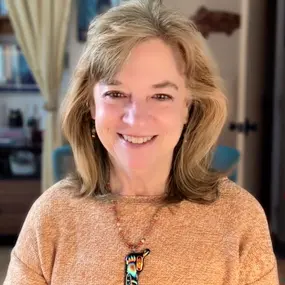
Dawn Baumann Brunke is an author, animal communicator, and explorer of consciousness whose work bridges inner experience and everyday life. Her ten books explore animals, dreams, spirituality, and the evolving nature of awareness.
Dawn's most recent book, Talks with Bob, features ongoing conversations with her husband of 33 years after he passed from this world and contacted her from the afterlife.
For more, see her website (www.animalvoices.net), the book at Amazon (https://a.co/d/4heDsBg), and YouTube Channel, @TalkswithBob-Dawn (https://www.youtube.com/@TalkswithBob-Dawn)

