What Hospice Nurses Know About Death— With Christa McDonald | EP 485

What if the people who've spent the most time at the threshold of death have something to teach the rest of us about how to live? Christa McDonald has spent more than 20 years as a hospice nurse, watching thousands of people take their final breaths. What she's witnessed has reshaped everything she believes about death, grief, connection, and the soul. In this conversation, she brings that hard-won wisdom straight to you — and some of it will unsettle you in the best possible way. In this epi...

 Apple Podcasts
 Spotify
 Castro
 RSS Feed
 What if the people who've spent the most time at the threshold of death have something to teach the rest of us about how to live?
Christa McDonald has spent more than 20 years as a hospice nurse, watching thousands of people take their final breaths. What she's witnessed has reshaped everything she believes about death, grief, connection, and the soul. In this conversation, she brings that hard-won wisdom straight to you — and some of it will unsettle you in the best possible way.
In this episode, we explore:
- How Christa's calling found her — from candy striper at 13 to hospice nurse, EMT, and founder of a national bereavement community
- Why she believes the way you live is the way you will die — and what that means for the choices you're making right now
- What terminal agitation really is, and why the soul has more to do with a difficult death than morphine ever could
- The myth of closure — and why "moving on" may be one of the most harmful things we say to grieving people
- How to maintain a genuine continuing bond with someone you've lost
- The power of presence — Christa's #1 lesson from her book and her career
- Broken heart syndrome: what it is, how real it is, and who's most at risk
- What shared death experiences look like from the bedside
- How Christa's stepfather's passing became the catalyst for GLADD — and why she says we need to stop being sad and mad and start being GLADD
About Christa McDonald:
Christa McDonald is a hospice nurse, death doula, soul worker, speaker, and the founder of GLADD (Grieving Loss After Death and Dying) — the world's first international online bereavement community. She is the author of Eight Lessons Dying Has Taught Me and runs a hospice home dedicated to transforming the way we approach death and dying. Her coaching practice, Soul Worker, helps people heal on a soul level — in life and at the end of it.
Connect with Christa:
Website: ChristaMcDonald.com
GLADD Community: GLADDcommunity.com
Instagram: @grievewithchrista
What resonated with you from this conversation? Was it Christa's take on terminal agitation? The idea that how we live shapes how we die? The continuing bond with a loved one who's passed? Drop a comment and let us know — your reflection might be exact
Visit the Grief 2 Growth store for FREE items as well as other tools to help you along your journey:
- Guided Meditations
- My book GEMS of Healing (signed copy)
- My Oracle deck to help you connect with your loved ones
- Mini-courses
- Mini-guides
Check it out at https://grief2growth.com/store
Grief doesn’t follow stages, timelines, or rules.
If you’ve ever wondered, “Am I doing this right?”—you’re not alone.
That’s why I created the Grief Check-In.
It’s not a test. There are no right or wrong answers.
In just a few minutes, you’ll gain clarity, reassurance, and language for what you’re experiencing.
👉 Visit grief2growth.com/checkin
🧑🏿🤝🧑🏻 Join Facebook Group- Get Support and Education
👛 Subscribe to Grief 2 Growth Premium (bonus episodes)
📰 Get A Free Gift
📅 Book A Complimentary Discovery Call
📈 Leave A Review
Thanks so much for your support
Close your eyes and imagine. What if the things in life that caused us the greatest pain, the things that bring us grief, are challenges. Challenges designed to help us grow to ultimately become what we were always meant to be. We feel like we've been buried, but what if, like a seed, we've been planted? And having been planted, we grow to become a mighty tree. Now, open your eyes. Open your eyes to this way of viewing life. Come with me as we explore your true, infinite, eternal nature. This is Grief to Growth, and I am your host, Brian Smith. Hey there, welcome to Grief to Growth. I'm Brian Smith, and whether you're joining us for the first time you've been here for a while, I want to let you know I'm really glad you're here. This show exists for those moments in life when life breaks you open, and you need to know there's something on the other side. We talk about grief, we talk about loss, about the questions that most people avoid. What happens when we die are people that we've lost still with us. And is it possible that love doesn't end when a body does? And I believe it doesn't. And every guest I bring on helps us make that case a little bit more clearly. Today, my guest is Christa McDonald, and Christa spent more than 20 years as a hospice nurse, standing at the threshold between this life and whatever comes next. Watching people take their final breaths and paying close attention to what those moments reveal. She's the author of eight lessons of dying have taught me. She's the founder of GLAD, G-L-A-D-D, Grieving Loss After Death and Dying, the world's first international online bereavement community. And she's a speaker whose work has reached grieving people around the globe. She runs a hospice home and has made her life's mission to change the way we think about death, dying, and what it means to truly live. In our conversation today, Christa and I are going to explore ideas that might unsettle you in the best possible way. We'll talk about what really happens when someone dies and why she believes the person and the body are not the same thing. We'll dig into the myth of closure, why it may be one of the most harmful things we say to grieving people, and we'll take a look at what it looks like to stay connected to someone you've lost even after they passed. We'll talk about broken heart syndrome, which turns out to be far more than a metaphor, and about one of the most underrated and under-taught skills many of us can develop, how to be truly present with someone who's dying. If you've ever sat with a loss so deep, it rewired you. If you've been told to move on and it's something and you just refuse that, if you've wondered whether the person you've lost can still somehow feel your love, this conversation was made for you. And if you want to continue this conversation after the episode, head over to grief2growth.substack.com. You'll find an article there about today's discussion where you can comment and connect with me and with other listeners. So with that, let's get started and welcome Kristin McDonald. Thank you. Thank you so much, Brian, for that introduction. I'm so grateful to be here, for sure. I'm glad to have you here. And first of all, I want to say thank you for the work that you do. It's not something that a lot of us would find as an attractive line of work. Right? We, it's the things that we tend to avoid. So I'm curious, how did you get into that line of work? Uh, yeah, so it chose me. I did not choose this, this field. And I always tell people I'm 45 now, but my mom is a retired nurse. So it really started, uh, I'm going to say, you know, when I was a little girl, but I'm going to say it started at 13 when she started taking me to the hospital. I was a candy striper. So I told everybody, I worked every weekend at 13, seven to three with my mother and it started, you know, I was long days, eight hour shifts. And it started with this one patient, Lucy, that she had no family. And I remember she was in room 306 and I would always go to her room just so I could sit, cause I was running all over the hospital helping people. And Lucy was in there for eight months back there. I'm going to say it was 1993. So we're going back a while when people were in the hospital a long time. So I developed this relationship with her. And then one day I came in and Lucy wasn't there. And the nurse was like, she, she died, Kristen. I'm like, wow, she died. And my mom said, Krista, get over it. I went to my mom's floor and I said, Lucy died. She's not there. She said, get over it. After, and I was 13, I was young. I always had a different connection and not so people, but I just had, I just knew that there was people that we couldn't say, and after Lucy passed, I kept seeing room, I kept seeing 306 on the clocks 306. I didn't tell anybody you're 13. I'm like 306. That's Lucy, Lucy, you know, fast forward to when I was 16, I was in 11th grade. And I was in school to be a nursing assistant. I say that it chose me because my mom, I guess really didn't give me a choice. You go into the hospital 13. So I grew up just loving old people, taking care of people. And at 16, I was in school and I was watching Mary and I was in, I remember I was in New York, I was in Bell Haven nursing home in Bellport. The light was shining in. I had Mary on her side. She was a bed bound patient. Um, you know, old in our eighties white hair. And I just remember the sun shining in and just being in this world out of nowhere, my teacher walks in and my teacher says, Krista, Mary's dead. And I'm like, Mary's dead. What? So I looked down, I just was in this place right now. Fast forward years later, people kind of say that was a near death experience. Cause I felt the most craziest piece in my life at that moment. My teacher came in, I go home crying. My mom says, get over it. You know, we're from Italian New Yorkers. Get over it, Krista. People die. It's guaranteed. You have to get over it. And I'm like, how do you get over this? This is so hard. So of course, you know, I had no choice with tough, right? From New, uh, New York, we, we have to get up and keep going. So after that from 16 to 17, I worked in a nursing home, uh, for, I, you know, I worked in a nursing home through to 11 and probably two, sometimes two people a day passed away. We were wrapping people and I'm taking care of the dying. The family's coming in and it's 16. You're just like, all right, this is what I'm doing. It's not making sense. So, um, fast forward at 17. I got into EMS. I became an EMT. So I was an EMT during, you know, 9 11. And I have, I just started to notice like just death in different ways. People died peacefully. People died traumatic, right? Gunshots. People had different, um, just different ways of, of that they were passing. And then I was just noticing just different signs when they did pass. So I became an, I got my RN at 22. So I did, you know, EMS till about 22, 23 got my RN and I started working for the visiting nurse service of New York, the hospice nurse, uh, she had cancer and she could no longer take the position. So I was trained at about, I was about 24. I'm going to say this is 2004, 2005 as the hospice nurse, like immediately. So I got this training and it was almost like you can't talk about it. We had to go in like clothes. I couldn't tell anybody that I was the nurse. It was very hush hush because nobody wanted to talk about death. Nobody wanted to even deal with it. And I had to go in there and just, you know, it was kind of, I always tell people, it's just a God given talent or gift that I was given to just talk about this and to tell people. So on my journey, I've seen many different deaths and I tell people, I'm like, people don't die. And I think that is the hardest part. Why people have, have a hard time grieving, right? So I think grieving starts, not everybody has the pleasure of knowing that they're going to lose somebody, right? If you are on hospice and you have that time, grieving can look a lot different, right? Cause we, we bring the family together. We bring the pieces together, but I tell people, even if it is traumatic or however it is, people don't die there, right? We get messages. We get signs. We get them all the time. I've had a different connection, but my whole life, thousands of patients out there, you guys have told me, Oh, my husband rings the bell at 10 o'clock every night. This happens. They're there. I feel them, right? So a lot of times people think that we just have this one life. You never hear again. We have no connection to that loved one when they're gone. And it's so not the truth. We have a connection, right? We're all souls having a human experience. And once we realize, so a lot of the times I start the grief process, right? When I have the opportunity with the families and I, you know, I asked them, I say, how, how are you going to, how are we going to know it's you when you're not here? You know, so people would start that connection, right? I'm a bird, I'm a butterfly. And I always tell people, so death, I helped my grandparents before the age of 23 and my grandparents on hospice. I've helped so many people die. And I think when I was younger, I just pushed it away. Right? I did have PTSD. I did some, you know, and I was like, wow. So I had to get help. I, I didn't understand all of that, but as, you know, as I got older, I realized that we have this connection and it wasn't as serious until about a year ago when I had my own personal experience with my stepdad, my stepdad, who I met it to, you know, he was a UPS man. He was the funniest man. I, I, I just don't know how, like I'm standing sometimes without him, but I had to go through this journey and it was hard. So January, he called me of 2025 and he had a stroke. Three months later, he passed. He had cancer in five different areas. So I was on this journey with him. And when he had the stroke and got sick, I said, did you ever think you would die? And he said that he said, I never thought about dying. And this is majority of what we do. We don't think about death and how we live is how we die. So if you live closed and angry, I guarantee you, you know, and that's where people, you know, it kills me when people are like morphine kills. No, it doesn't. We're on a soul journey. Morphine helps the people that didn't act right. And maybe do the right things in life. And that's just how I see it because I've helped thousands. So if you live angry, you live nasty, you know, that's why you're scared to die. Right. And I've seen so many people just pass away, right? Sometimes they're the 90 year old lady that just, she just lived life peacefully and it's different. So when he passed, it was just me and him. I did have family dynamics different like everybody. We all have family drama that we have to heal, but it was just me and him. Even when he took his last breath, I was holding his hand for about 20 minutes. I felt like I was in this place that I died just crying. I didn't know. And there was no support. The hospice companies, they're, they're short. I mean, I didn't, I actually got so upset with the hospice company. I didn't get the support. I'm like, I've been helping people die over 24. I didn't get the support. So I'm like, this is what people are going through. So after he, he passed, I just, uh, for probably the next two weeks, I just stand at a wall and I'm like, Oh, I helped so many people go. Where did he go? I just couldn't be, I couldn't find my balance. And that's where the glad came from. I had the vision of glad for probably the past 10 years in my video, you know, that I have that this guy, I had to deliver a letter that wasn't even my patient. And six months after his wife passed, he opened the door and his hand was shaking. And he's like, I don't know where to go. I don't know what to do. And you know, there was just no support for him. So I had this vision and over 10 years to write this book, once my stepdad passed, maybe about two, three weeks after he passed, the acronym came glad grieving loss after death and dying. I grew up in New York where sad students against drunk driving, mad mothers against, it was a popular thing. And I'm like, we're so done being sad and mad, we need glad because death could be just just beautiful. Death is as beautiful as life and people are missing the point that we just transition to a different way. We can't see them, but we're there. Before my stepdad passed, I said to him, I said, how am I going to know it's you? Right? Because I had to create these bonds. He was a funny guy. He goes, I'm going to be bird poop on your car. I said, bird poop, right? The day after he passed, my whole front windshield was full of bird poop. I couldn't handle it. I'm like, and I'm like, oh, my God, you know, who's helping me? But fast forward now, April 14th is the first live event for GLAAD. And that's the year that marks the year that he died. So GLAAD is the first national online bereavement program. It starts April. April 1st is when it launches. And we're going to have right now, we have between five to seven classes Monday through Sunday. We have amazing grief coaches that we've hired. So we have that part. Then we have the other part. That's a 24 seven bereavement hotline like a suicide hotline, because there's nothing when people that people don't realize how much suicide there is over loss. I think that we live in a grief avoidant society and people need to realize everybody, right, they go to Tony Robbins for a guarantee. I'm going to give you one. You're going to die. Your body is going to die. What are you going to do? And people don't live like that. We don't we live like we have forever. We treat people bad. We and then we wonder why we suffer at the end of life. And then people think morphine kills. No, you need the morphine because you didn't act right in life. And that's hard for people to hear. Anyway, so once he passed, I, you know, I had to go through this period of just learning to just deal with the grief. All right. He's gone. It's OK. Let me take a deep breath. Let me get through the next minute. Right. So I tell people bereavement can give yourself a year. You know, the companies give you three to five days to bereave. And it's not that's not the truth. There's nowhere to go. So that's the second part is the hotline. And the third part is that we're going to help 50 families a year and we're going to give them eight thousand dollars if they're you know, when they're at the end of their life and their terminal. Because I believe that if we could get in before when people are dying, right, if we have that gift that you can help grief and help just create that continuing bond so that we don't have so many people suffering. Right. So people don't realize that one death affects one death affects 15 people. Right. 8500 people die a day. So we're talking about here on a scale of 30 to 40 millions that are affected by grief. Their health is affected. They have anxiety. They have depression and they don't know why. Right. So that's why that this was created to create that gap. You know, I'm in the process of getting this program into Medicare so that hospices know you go to GLAAD. If you're sad, you go to GLAAD because we're going to help you get through this through this. Right. Because at the end of the day, we know that nobody really dies. We're all souls having a human experience. We're energy. And I hear I see my stepdad. He was a UPS driver. I see UPS trucks all over. And I'm at a point now where we're laughing together. Right. Once you believe that. But a lot of the times I tell people they they're so closed. Right. They don't want to. They just become so close. And that's not what we're here for. We have to be open because you don't know how long you live. And we all have gifts in this world to live. You have to go on with your purpose because your loved one would want to see you live the best possible life ever. Right. So yeah. So this it's all changing, you know, from 2000 and 2000, let's say when I got into this right. We're fast forwarding so many years. Death and dying is being talked about back then. I couldn't even let anybody know I was a hospice nurse. Like don't tell anybody you're dying when we all are going to do it. So I think as a community and I feel the big shift coming in that people are are aware. All right. People don't die. I have one life. Let me live better. Let me be conscious of who I am. And that's what that's really what I think there's so many pieces to this. It's not just death dying, but you want to live the best life possible because you won't get as much morphine. I have thousands of testimonials. I see the people that are good. People is nothing to do with religious. I don't care. It's not about religion. People at the end of their life, they write letters to God. They say, God, Jesus, whatever you call them, if you don't believe in God and Jesus, call him Big Bird. I don't care. But there's a higher power that's not in control of us. And I always tell people. Everybody says, what's big, one big lesson from my book. And I'm going to give you the one big lesson is presence, presence, because people is the number one lesson because in my career, I always hated to make those phone calls like they're dying. Can you come if they're in the excuses I get? I can't come. I can't do that. Like somebody's dying. Like, who are we? What has happened to this society? People are dying. We need you to be present. Even if we don't have to say words, even with you, there's no words. There will never be any words. But I'm going to tell you she's still here. So why do we have to say I'm sorry? Connect with her differently. And she took you to these places, right? People take us that we can't see the places. So when you're in that sacred space or you really put yourself out there and you're present, if somebody's dying, you know that they're sick. It's not about the blessings, but I'm telling you your whole life will look different. Because that's what we're here for. We're here to support each other on a soul spiritual level. It's not about money. Nobody takes their money with you. They don't take your things in your money with you. Nobody does ever. You take your legacy, who you are, what you that's what you take away. So I always tell people, write your legacy now. Start writing it. If you die, you want people to know that you're a Costco member, Amazon member, or you wrote a book and change the world is your choice. You choose it, right? Because when we're angry and we keep this all aside, it hurts us. And that's not what we're here for. So there's a big message, right? We want to spread a lot of love, but people are going to die. So how are you treating that person? Because they might not be here tomorrow. And I can tell you thousands of stories everybody took for granted. And I even did with my stepdad. So that's I can keep going, Brian. I get passionate. Yeah, I can tell you that's great. I love I love when people are living their passion. You know, it's like like you said, you know, it's not a field. But the things that the thing that you do, the thing I do, it's not something that people typically choose, right? You don't say, this is what I want to be when I grow up. But I think I think our circumstances put us into that. Now, I heard you mentioned it sounds like you have a different connection to the other side than most of us do. Did I did I pick up on that correctly? Yeah, absolutely. Absolutely. I don't like titles. I always told people that I always got a lot of how did you know that? And I always said, you know, I mean, I got the name, my God. I said, I'm Christ with an AI work for God. I have a different connection. He gives me because my job is to make sure your heart and soul is right to get out of this world. I really can't really. I don't really see too much of the hard, the bad, because I don't I'm the light. Right. That's what I always I always felt like. So at the end of, you know, I like to see families come together. I have a gift that I'm like, oh, where's your son? Why don't do this? Don't do that. You know, we all have so many things that we hold against our mother and father. And that's a big thing, too. We got to heal that stuff. Right. Our parents do the best that we can. So but yeah, I get messages of how to reconnect people had to create that. You know, it's not just oh, you had a you know, you have a ring. It's not about a ring. This is, you know, my book. I have the soul worker, the type, you know, is my my LLC of my coaching program. It's a soul worker because I see things on a soul level and people go, how'd you know that? And I'm like, because I'm priced with an eye. I'm here to make your light shine like mine. And that's sometimes hard for people to realize. But yeah, this I was born like this death, dying life living. It's me. It's just who I am. I didn't party. People think, oh, you're partied. I never partied. I was partying on the ambulance. Wow. Wow. Yeah. So, you know, and again, I think a lot of people, the reason why we don't we don't like to talk about death. We don't know the hospice thing. The reason it freaks us out because we don't know, you know, people don't have an understanding. Now you say we don't die. And I love that. It's actually the title after my daughter passed away. The first podcast I listened to was called We Don't Die. And I'm like, yeah, that's that's the case. And the people understood that. Then the fear drops away. Oh, immediately, immediately drops away. And, you know, I look at it because I really don't know right where we go. Nobody 100 percent knows. Yes, we've had near death experiences, but I always go back to Mary at 16. If that's where we go, I want to go there. I'm scared to stay here on Earth. I want to be there. That was the most peaceful place, right? It's hard to say, but I do know that there is a huge soul connection on how you live is how you die. And that's what really people have to get to. And we live in this world. We live in such a we get hurt all the time. We're so sensitive. Oh, they offended me. Oh, they this and that. We live in such a society where it's like and it shouldn't be like that. Right. We're here to love. We're just all we're coming and going. Oh, some you can't see, some you can see. And that's what we're doing here. We're just on this journey coming and going. We want to help these souls because this earth isn't easy. But yeah, no, people people don't die. I mean, I got that a lot from just my my if this isn't just me, this is all from the thousands of people. I help thousands of people pass. And I don't care what they believe in religion wise. Doesn't matter. They were all like I see them. Right. So a lot of the times it's the programming of the world to write. You get one life, you get one. You don't come back. You have no connection. But we pray to a God we can't see people see. Jesus came back all this stuff, but we could talk to people that we don't see. Why are our loved ones any different? They're not. Yeah, that's you bring up a really, really good point. I work a lot with mediums and and I hear religious people saying, oh, no, you're not supposed to talk to the dead. You know, it's like, well, you put it very well. We pray to a guy we can't see. We know Jesus came, you know, and people pray to Jesus. Jesus is dead. If you want to use that word. So why this taboo about like, well, they're gone. You know, let them go. No, they're not gone. You can't let that nobody ever. You don't let anybody go. You just change form. They're just there. And you know that too with your daughter. You get messages if it's you see her birthday on the clock. You see license plates. You see animals. You see what you see that all. And then I'm like, and sometimes it like right now is very prominent right in my life for some reason, my stepdad. And he's always I've seen a thousand UPS trucks in the past three days. And I'm like, what do you want? And I laugh. I'm like, there you are again. And sometimes they have a message for us that we're not listening either. And that's the truth, right? When we keep getting the same. They're talking to us just like God talks to us right from our they tell us from our our soul, our our gut, our intuition. Yeah, that's how God speaks to us. If you don't think your loved one does, too. You know, as sometimes people don't realize here's the other part, right? It's hard when they're young. Fifteen. My stepson passed when he was 22. This was over 10 years ago. Losses like that when they're young or hard. And a lot of people don't understand them, right? Because they're like, oh, they're kids. But when you realize we are just coming and going and your daughter had such a gift like her presence, her impact on this world, I could feel it. It was gigantic, right? And God's like, all right, you're done for us to realize because people aren't doing the right thing sometimes, right? Even little babies, they come in. They're just like people. Death doesn't have any. Yes, it's worse when they're young, but sometimes when they are young, it's because they made such a gigantic impact in this world. And also, sometimes this world is too hard for people. They don't look at it like that. Right. So if you believe in God, which a lot of people in this world believe in God or a power that we can't see, we got to trust that when he takes out a loved one, no matter what age they are, that that he knows what he's doing. That higher power there, he knows what we're doing. Maybe we can't handle it, but that's why we need a community here to be like, you know, you feel him, you see, you see, you do it. I something came up about to have a community to be like, we don't die, right? But the living we have to go on and do our purpose and our souls mission. And that's what we have to do. But we need a community. And that's where glad was started. And that's what's going to fill the gap. Yeah, I love that. And you know, and you also mentioned like religion doesn't really make it. I mean, I'm not going to say it doesn't make a difference, but it doesn't mean you're going to have an easy death and not being religious doesn't mean you're going to have a hard death there. It's really that connection. I love what you said. It's the way the way that we way that we live, because again, religion, unfortunately, a lot of times cuts us off. It says that we die. I mean, they'll say that we're going to rise again someday. But there's still this idea that that that we're gone and we can't communicate with them. And that I believe is, you know, it doesn't take the grief away knowing what you and I know, but it softens it. It makes it so much easier. It does. It does. It does. And I said that about religion, right? Because having my job, it's hard, right? Because I people like, what do you think? There's 10,000 religions out there. There really is. And not one of them ever told you like you don't really die. So, yeah, people absolutely do suffer, you know, just and I find this is a hard one. But sometimes the people that are so religious have a hard time at the end of their life because they've been so stuck to this one way, right? And it's made them judge people and judge their family, their friends, their children. And it sets them in this place. And then they wonder like, so, yeah, it has, you know, and like I said, I have helped atheists. I've helped people that are handcuffed to the bed pass and the two words that I've heard over and over and over thousands of times, please God, please Jesus, I'm sorry. Forgive me. I never heard, you know, like Islam, a Muslim, a Christian. I never heard, please Christianity, please Islamic. I heard God and Jesus my whole career. That's why I said I call them God, call them whatever you want, but we're not in control. You mentioned earlier you said something about morphine and people passing. What was that? Explain that to me. So at the end of life, right? Because people think you just take your last breath and you pass. That was Mary. Mary just took her last breath. After that, though, it was just traumatic death. And then especially on hospice, right? So I owned a hospice house. I've worked. I've had the pleasure of almost 10 years traveling America as a hospice nurse. So I've worked in a lot of inpatient hospice houses and people think that inpatient hospice houses are just where you go to peacefully pass. And it's not. You need to have uncontrolled symptoms. A lot of people at the end of life because they didn't write. My stepdad needed some crisis care. He never thought he was dying. So he didn't do the work, right? When you don't think you're dying and all of a sudden you're dying and he realized that he didn't live the best person he possibly can in this this world, right? So when people are dying, the body shuts down, right? On a physical level and they shut down. A lot of people are scared. They didn't do what they wanted to do. They didn't say what they wanted to say. Some of them were handcuffed to the bed. Right. Who did you kill? I don't know. So when the body is like shutting down and the soul is like, oh, my God, and everything's fighting, people need morphine, right? I've seen people and this is where the hospice, the inpatient hospice comes in because it's like an ER, right? They go in. We're putting IVs. We're putting morphine, IV to control their symptoms because it becomes a right. And then what happens is is because the at the end of life, the terminal agitation, the restlessness, all of those symptoms become unmanageable that they need medicine, right? So once they start getting lorazepam or morphine or something, it calms the body and it allows them to die. But people don't realize that your loved one was a crazy person in life, right? Once she once the person dies, they're like, oh, yeah, he heard this one. He did this. He did that. He did that. And you kind of see that they didn't live the best life. So how are you going to have the best ending like that, right? They're scared. So that's where all this medicine comes in. And that's where I'm not a morphine. Like, if I could avoid medicine, I'm going to go to your heart and soul. We're going to get your son in here. Right. We're going to get your long lost daughter in here and we're going to fill your heart and soul before you pass. And your family is going to remember peace. Now you get stuck with morphine because you didn't fill your heart and soul and live your life. So when people say morphine kills, it kills me. I'm like, morphine doesn't kill. Believe me, I've had people give bottles and they go, Christa, they didn't die. I'm like, morphine doesn't kill. This is a soul journey. Let's write them a letter. Let's talk to them. Let's get people on the phone that they haven't. Let's say those things that they need to hear. It's not just about, oh, it's okay to go. People sometimes need to hear. I'm sorry, I love you. Whatever it is. So at that end, like that's where a lot, so much comes in. I have a gigantic download to help people heal in that aspect. So if I hear you correctly, it sounds like you're saying that agitation is coming more from a soul level than a physical level. Thousand percent. Thousand percent. But this is hard to tell the world. They don't want to hear that. They want to say, you killed my my my loved one with the morphine. No, your loved one needed the morphine because they were like, there's people I could I could tell you, Brian, that there's people I seem flip out of bed. I'm like, what happened? You know, like the end of, you know, this lady, I remember she she I remember she said to me, she goes, I hate God. I'm a she was a pagan. I don't know. I remember whatever. I don't follow all of that. But she did. She hated God. And I said, oh my God. And the daughter was so upset because the daughter is like this, who is this mother? Then two hours later, the lady was like flips out of bed, snaps her neck. She was still alive. And I'm like, well, I've I could tell that's one story. But I could tell you things that are like traumatizing to me that I'm like, what the heck happened? You know, so and people don't understand that energy is real, too, because even in my hospice house, when I had somebody passing, right, he didn't tell the truth on some things. He had a baby with somebody else. My lights kept going off in my house. My refrigerator doors kept opening and closing. And because he did it because we had to get the energy right. So right. So I got to say my prayers. I got to bring in the light. And the end of life is not beautiful. And that's why this world wants to blame it on morphine. But you got to blame it on your soul. How you acted in this world, what you did, right? How do you wake up? How do you treat people? Do you say thank you? Do you say I love you? Are you scamming people? Because eventually that nobody wins when you're not doing the right thing. And this, you know, you got to be obedient somehow if you're scared of death. So the people that are scared of death are usually I'm like, how you living, buddy? Yeah, well, that's interesting because, you know, it sounds like people are maybe scared of judgment. You know, they're like, OK, I know I'm not quote, right. And you said the woman that hated God. It reminds me of a book I read many years ago called The Irresistible Love of God. And this guy was making a case for universalism that we all eventually reconciled to our maker. But his point was if you really knew God, you couldn't hate God if you. And so it's that projection of the judgment. And you know, and Jesus said, you know, judge not lest you be judged. And I think that the more I you know, meditate on those words. I would think he was saying is if you're a judgmental person, you're really just pointing at yourself. Exactly. Yeah. Oh, I got chills. It's so true. Yeah. So that that fear that we have again, it's it's the fear of the unknown. It's the fear of judgment, the fear of God's not going to approve of me. It's the fear of I don't know what's next. And so all the things we're talking about can reduce that. But you I want to go back to what you talked about, Mary at the very beginning, would you call that a shared death experience that you had with her? Looking back on it, absolutely now. But I do feel that because, you know, people that know me though is like, this is weird. I feel like half of me just lives in that sense, too. So people are always like, how do you do this, Krista? And I'm like, you know, I laugh and I joke. I say I tell people I'm a mummy because I don't have any medical diagnoses, but I've had like 14 things removed in my body. So I'm like, maybe I'm a mummy. Who knows? I don't know. But, you know, it just. It's just it shows me it's a call, you know, and it's almost like I I love it. Like that's where I belong. Like it's it's home. If I'm not in that environment, when I'm out there in the world with the living like my mom always said that. She's like, Krista, you should be scared of the living, not the dead, because when that happened with Mary, you know, when you see it could be scary. I was younger, right? You see signs, you see this and that happens to so many people. But what I want to just circle back to that lady real fast on the bed. You know what? Because people people will say, oh, what do you do? Because I always get confirmation, right? I call him God. People could call him whatever. But I always get a confirmation. So in that aspect that, you know, the daughter wasn't in the room, but I did pray with her. Right. God loves you. Jesus loves you. Not a religion. There's a there's a power that loves you. And this woman actually was an amazing person. Why not? Because I always find out people's lives. I got to know what they did, who they are. She was an amazing person. And she had a bit. She was she had a lot of sexual abuse when she was younger. Right. So it's like this world. We hold on to them. But I pray with her. I got there. And the reason why I know that she's good is because right before she passed, the tear came down high. And then I cried and I'm like and I look up and I'm like, thank you. So I know that I did my job like because they hear right. Even 20 minutes after somebody passes, they hear hearing is the last to go. So what I go hard and a lot of times families can't handle that. I'm like, you leave. I'll get them there. I'm like, I love you. You got this. God loves you. She's like, you did a good job. Job well done. Because the truth is, is all of us do it. Even if we live angry in this world, we all have. We all have amazing, beautiful gifts inside of us. Every one of us, even if people think you know, there's evil is pain. That's what's on top of us. So as people want to hear and that's what she needed. She needed presents. She needed to hear that she did do an amazing job. I don't care that she didn't love God. That wasn't her truth. She was a good woman. She didn't kill anything. You know, she had pain. She had pain. And that's what people don't understand that we're covered with pain and people look at it and judge us for it. Now, it's interesting because you're you're a hospice nurse. But as I hear you speak, I'm getting like death doula. You know, there are people that help people pass in the other world because it sounds like you're doing more spiritual work than physical work. I'll tell you, Brian, I have a lot of titles, right? I got my death doula certification. I have a life coach certification. That's the search. I have every type of certification, but I really tell, you know, I tell people I help you live, die, grieve. I help you get through that whole thing, right? I could be a life coach. That could be anything you want. But the truth is, is that people will die. People don't really the physical body dies. People don't really die. You have to start that connection before they pass. If you have that opportunity. But if you don't, here's the other part, right? Like I'm 45. But if I if something does happen to me now, I'm prepared. Right. People don't want to think about their DNA, their health care proxy, their their like when I'm excited to go. My boys know when I go, I want to be a diamond because you can take the ashes. It's like two thousand dollars. You become a diamond, right? Plan your death. You could become a tree. And you know, so many family issues happen because people don't talk about it. Right. Only thing guaranteed in life we're all going to die. So what do you want yours to look like? You want to be cremated? You want to be a rock? What do you want to be right? If I die, put a beneficiary on your bank accounts. People live so selfish, right? But when you die, you don't take that with you. So I've just seen families, even wives, like husbands and husbands don't put the wife as a beneficiary. Why you're going to die? You want to leave her suffering? Right. Would you want that happening? So we live how we live is how we don't want that. And that's what I want to change. That death. It's the only thing guaranteed. Let's look at it different. Let's be like it's OK. And you know, that's why this is. It's not this is not just glad. This is a movement like it's a shift. It's a big movement like mad and sad so that people know where to go to. Yeah, what you say, it is something that I've said myself. It's like, you know, that there's an old saying the only thing guaranteeing life is death and taxes. And I'm like, no, it's just death. It's like when you draw your first breath, the only thing that literally the only thing is guaranteed is that someday you're going to draw your last breath. And again, we have this fear of it because for a lot of people, it's like I look at it's like you're running toward a cliff that's just got a big black hole, right? You have no idea what's on the other side of that. Of course you're going to fear that and even religion, a lot of times doesn't help because it doesn't really tell us practically. What do we do? What's it we know? Where do do we really keep going? You know, and when my daughter passed, I was I had known about like near death experiences. I knew about medium ships like that. I knew people did continue, but I didn't realize I could still have a relationship with her. And that's the thing that I think is really missing now, even if we do believe, yeah, we'll see him again someday. We start to let go. You know, there's that letting go and people tell you to move on or resolve it or whatever that is. I know. And when I, I mean, your daughter is so beautiful, right? And when I say stuff like this, but like when things keep coming in my head a million times, I have to say them. So your daughter is, she's an earth angel, right? She can't, she is. And people don't believe that, right? You come to this world and that's why it stinks and it's hard to express that about children. But when I see her, she was an, she was an angel. You could see that. She's not, she came here, right? We all have different purposes as hard as the physical part of it is, but that girl, she's not just physical her soul. She has, and she's been, and that's why I see your grief too. This is because of her, right? So you're shining and every, it's all together. I love it. I can't explain it a hundred percent, but. I completely agree with you. And of course we all think our children are special, but I was telling you before we start recording, I work with Helping Parents Heal. I found it shortly after my daughter passed away. And I just interviewed a woman the other day, her daughter was 19 when she passed. But this girl, and I never met her of course, but you could tell she's, and she goes, when she was four years old, I would say something like, when you grew up, she goes, I'm not gonna grow up. I'm not gonna have children. She drew the scene of her accident. She passed in a car accident. She drew the scene of the accident. She told her mother, she knew that she was only gonna be here for a short time. And I've had the privilege of talking to a lot of parents who have lost children young and they all have this like special quality that the way that they live. So this was introduced to me six months after she passed. I was talking to a medium and she told me, the exact same things you're telling me. Yeah, no, she's, and that's the hard part that for parents to explain that because here's the thing, right? Death wakes you up. Yes. It changes you. It changes you at a core that you can't even explain. So your soul needed her to come in and do this, right? It needed you so that your soul awakens and now look at you changing the world. But if we look at it like she had to die, she didn't die. She just changed form. She had to change form because you weren't getting it right. She's here to help us, all of us. You're here to help me. We're all here like that. Children are a hard one because a lot of those children, they are earth angels, right? We can go deeper into that, but we'll keep it where it is now because it can go really deep. And when you go really deep though, it really can help people that lost children. Because they're like, oh, now I get it, right? It stinks that it's so young, but your daughter, yeah, hardcore earth angel. Let's do that. That's what we're here for. We're here. We're here to talk about the surface because I want to answer the hard questions. People have lost children. I'm thinking about a person right now that just lost her husband, you know, just suddenly, you know, at the age of like, not even 60. And these are the questions. I mean, you hospice, okay, one thing, your 80 year old, 90 year old grandmother passes away. We can pretty much accept that. But let's talk about the hard cases, right? Why did some people only get, you know, 15 years or 50 years? It's all right. I'll go deep here for you. It's, you know, cause I just see it differently. It's hard. I haven't articulated it like this to the world, but I'm going to go there. So we're all, if we realize that we're on a spiritual journey, right? I'm a physical, you know this where a body, I'm a, I'm a body. I'm a soul having a physical experience, but when people die, right? And this is why my job is so important. And people, the thousands of people, it's not like, oh, I help thousands of people. If I don't get that heart and soul right, they come back and do it again. So reincarnation is hard for people because religion tells you you don't reincarnate. If you don't believe in reincarnation, I can't help you because you will be so lost in this world. So reincarnation, right? So a soul dies, right? A traumatic soul dies. Let's, I'm going to give you, let me give you a cancer example, right? So you have somebody that dies maybe, let's just say 65 years old full of cancer and dies, right? Was maybe kind of similar to my stepdad. He didn't think he'd ever die. He didn't care about his health. He lived according to like women and the things, the distractions in life that we shouldn't, right? So he died. He had all this cancer. He didn't do his soul's lessons. He died the same, he died the same way, right? So you incarnate again, you come back, you incarnate. And a lot of times those people that were full of cancer and so sick at the end of their life are the ones that usually come back, right? Have childhood cancer or here for maybe 10, 15 years, they get all the love in their lessons. Cause a lot of times every illness is attached to an emotion and we can go really deep into this. My stepdad didn't get the love I've like right in that he needed once he didn't get the love in this lifetime, his soul. That's why he lived so angry. He did. Because he got him and my parents got divorced over 20 years ago and he lived with such anger. So I fought hard for those three months to fill his soul, take him to St. Augustine, buy him ice cream. Every morning at 7.30 he'd wake up and I'd be like, but I would do circus for him. And he's like, you're crazy. So people think I'm crazy, but I'm making sure your heart and soul is right. Because we're here, we're here for love and we're just love and peace and not taking this world so serious for heaven on earth. So children, sometimes too, on the spiritual level it's kind of what you believe, right? This is from people. This isn't just for me, but like people that have Down syndrome, kids that have Down syndrome, they killed themselves in a past life. So they're brought here to get all the love that their soul needs in order to become them and to flourish and to get to their true authentic self. So your daughter, we all have a soul mission, right? Your daughter knew she was coming here for 15 years to help you. You knew this. We just have to awaken to the truth of it. So when we realize that souls are all just coming and going and we all have different purposes, that's why when children die young, it stinks. I've had my own experience, believe me, it stinks. But I've become like, that's grateful, like I'm grateful because that little child came in here to awaken us adults that aren't doing the right thing. And that's the truth. Souls, people die. Everything in this world is a soul lesson. And until you start to become obedient to the truth and block out these distractions of the world and you know what I'm saying, all these distractions make us become people that we're not. If it's the addictions, the porn, the this, the that, all these distractions of the world, right? And then when we die, our soul is so corrupt by what we put in our mind, our body, mind and soul. So what you're putting in your body, mind and soul, who you're being every day is a big deal. But I do believe that if you don't finish your lessons in this lifetime, you come back, right? Maybe it is for five years. You come back with cancer and then the kid dies of cancer. But guess what? In those seven years, those parents gave that kid the most love it's ever gotten, its whole soul's life, right? However old that soul is. So it could get really, it could get deep. But when you realize that death is not real, we were all humans just having a physical experience right now. My body could be gone tomorrow, but my soul ain't. You're going to know I'm still here when I'm gone, right? Somehow, I promise you. Yeah. And look at all these famous people in history, you know, that we still talk about here. They're here. Well, you know, it's nobody ever really goes, but we want to like peel the layers. I tell people the onion peel all the onion layers so that we do have our heart and soul is just pure light. And we don't have all this evil stuff going on. And that's why people are scared to die because how you live is how you die. So, you know, the kids though, that's it. I always that that is a hard one and it's hard for parents to believe that that's the problem with kids. And I always give many props to pediatric hospice nurses. They are the most amazing, special, like I can't even I'm like, who are you? Who are you? Because kids are hard, but kids come in to teach us old people that aren't doing it. And maybe even old is 20, 25, 30. It doesn't, but the kids, they come to teach us a lesson and change our life. So we have to say thank you, just like to your daughter, her little earth angel that came. Yes, the physical hurts so much, but you have so much more blessings when you and the deliciousness of when you can't see them of your life if you choose to accept them. Yeah, exactly. So we we've talked a lot about death and dying. Let's talk about the grieving process. And I know one of the things that you say is that closure is a myth. So why why is it that you say that? Yeah, because we don't close anything. I love just transforms, right? If people don't die, we don't close anything. We just transform it into a different, you know, I always tell people though, I always tell my patients, give yourself a year because I don't care how spiritual we could be and nobody dies. It hurts. The physical loss of somebody is traumatic, you know, and I think what my stepdad and like I said, me and him was so close and you know, it was like the physical loss. I was like, oh, like get this off me. Like I didn't understand it. Like I had I have helped grief. I've had grief through patients and families, but until it hit so personal like that. So I tell people, give yourself a year. You have to. You have to give yourself a year and go through moment by moment. If you want to cry, you cry. If you want to dance, you dance. But if you feel like, oh my God, this is so this is crazy. Go change your physiology. Go for a walk, right? Write them a letter. A lot of times I did. I wrote a letter. I know you shouldn't do it, but I got a balloon and attached a letter and let it up in the air. I always had a candle lit without a doubt the first six months. There was this candle I got off Amazon. And when the batteries went out, I'm like, you know, like it was him. So it was just these little things that I just had, like to honor him, right? Like, but I tell people the whole first year to go through the birthdays, the holidays, the everything like that. In that process, though, you are you're healing, you are, you know, you're healing. And then you are getting the little the messages when the signs and the messages come in, though, you can't always accept them if the grief is so bad. Right. Right. So you have to process like, OK, they're not here. Death is not real. People don't die. I have to find a way to recreate this because I'm going to die. Yeah. And there are so many people's houses that I went into to that, you know, they had shrines all over the house because they didn't grieve properly. And they it's been 25, 30 years and they still haven't grieved the loss. So the first year and it's day by day, minute by minute. And that's why this hotline, right? Because if something happens, you feel like in the middle of the night you call and it's a live grief coach that you can get to talk you through it. Let's talk more about your organization. You went there briefly before. But for people that you say, it's the first online bereavement community. So tell me more detail about it. Yeah. So it's launching on April 1st and it's the first national online bereavement program with the 24 7 hotline. So 24 7 people will be able to call talk to a grief coach if they have, you know, that's the one. And then the other one is the seven days a week, the different classes. So we have different. But it's not from a religious standpoint of you. It's just helping people grieve. You lost a spouse, you lost a child, you know, and then we have different ones. Like if you have an immediate loss, we have different classes that you could come on five to seven that we're starting with right now. That'll be, you know, Monday through Friday. And then on the weekends, we'll have different classes. We'll have also things like chair yoga, sound bath. We'll have different modalities of healing, not just the classes alone. And then we're going to do fun things twice a month. We're going to have a singles group for the widows. And, you know, like I said, in Sarasota, Florida, April 14th is the first live event. And ticket sales are going to be on the coming up this week. So we'll have 150 people just in a space to just hold people, hold space together. Just for the grieving. Yeah. And then in May, we're going to do a 5K walk. It's going to be the last walk that people come. We're going to have one in Austin, Texas and Annapolis, Maryland that people come for the last walk so that we could just walk and just love and honor our loved ones that passed and to celebrate them more because we're not people think, oh, you're dead. Don't talk about them. No, they're really alive and they're really helping. They're helping us. Yeah. So you're going to be doing some physical things and also some online things. It sounds like. Yeah. Well, the online program will be will always just be it's the online program Monday for Friday. We have over 55 classes and then the event we're going to hold for right now. I want to hold it four times a year, a live event so that people can just come together like four times a year and you know, just physically support each other because that's what's missing in the presence. It's the first lesson in my book. It's the it's people being seen. You know, yeah, we can't take this world so serious. We don't have to clean the bathroom. We don't have to do anything because you're going to have to die one day. And what does that look like? Yeah, well, you know, the thing is that we don't we don't know how to properly grieve and and and then people, you know, the person in grief doesn't feel like they can be themselves. They can't, you know, people are tired of seeing me sad, you know, etc. The person that's trying to support them says stupid things. They don't know what to say. So it just it gets very awkward. And one of the things about grief, I believe is we're not meant to do it alone. You know, the idea that just suck it up and do it do it alone is not the way we're meant to operate as human beings. Yeah, yeah. And we can't we can't just get over it. It's not it's not something that happens. Yeah. And so what we've talked about is really leading us into, you know, we talked about there is no closure that the grief model that I like to talk about is continuing bonds, right? That that it's not a matter of getting over. It's not a matter of moving on. It's developing that new relationship like you've done with your stepfather. Yeah, and don't ignore it because that's what people do too, right? They might see their birthday and they're like, and they just shut it down. But if you see something that and if you just cry out of nowhere, they're there with you. They're telling you, right? Because all of a sudden, I'll just cry in the beginning. I just cried and I'm like, Oh, and I got chills or something. And I'm like, that's them there, right? If I saw the UPS truck, they're telling you I'm here. I'm here. Yeah. And people, they don't know how to grieve properly. So they shut it down. And then they just stay in this place. And then, right, anxiety, depression, and so on. Yeah. Yeah, you know, it's interesting. So I heard a medium say that it really flipped not flip me on this thought. People say, I was missing them so much. I just started crying and they think it's because of their absence. And this medium said, no, it's because of their presence. It's because you're actually feeling them. And I've been sharing that with clients and it just totally changes everything, right? Suddenly, you have this grief burst out of nowhere. And you start and it's because you're feeling them close to you. Yeah. Oh, yeah. And it could happen. I mean, it still happens. It happened like two days ago. This one Led Zeppelin song comes on. Thank you. He loved Led Zeppelin. I wasn't a Led Zeppelin, but he loved Led Zeppelin and the Thank You song. And I'm like, you know, and I couldn't and I knew that it was him because, you know, life, he knows, he knows what I'm going through. It hasn't been 100% easy. Yeah. And I felt like he just came in and he's like, it's good. And I was like, and I needed that. And I'm like, thanks, you know, because he was always there. I would text him. I would write, but he's still coming in for me. Yeah. And that's the perspective that we really want to help people get to. Right. As opposed to people saying it's been a year and I'm still crying what's wrong with me. It's more like I'm crying because the love is still there. And instead of hearing that song and crying and feeling bad about it and saying, I wish I hadn't cried. It's more like, yeah, that connection is still there. So that's a total 180 degree flip from what a lot of people are saying about grief because it's like, get over it, put it behind you and move on. Yeah. And yeah, it doesn't, it doesn't work like that. Yeah, it doesn't work like that. And when you realize, like in the beginning of grief, like I tell people too, I mean, I was struggling for my life the first three months. I went on a jet ski. I remember I said to my son, I'm like, get on the jet ski. He was all he was, you know, he's like, what are you doing? And we went on this parasailing because I felt so dead that I was just reaching. There really isn't like, you know, there's no formula. I'm like, cry if you want to cry, but try to always go back to the good memories and the good feeling emotions when you go there. But I was reaching for like life in the beginning. And thanks for sharing that because none of us gets to bypass this, you know, the people will say, well, we're Krista, you've been, you've been around death since you were 13. You know, you've done, you've done all this stuff. Why did it affect you this way? It shouldn't, you know that he's still here. It still affects you. We still have to go through it. It does. And I think the physical, like when he actually was passing in me holding his hand, when you bring up the near death experience and it made me think of how many people will like this. So I was in that bed. I mean, I remember, I mean, on the side, like in the bed holding his hand for like 20 minutes. And that was, I couldn't breathe, Brian. I was like, and I'm like, Krista, you did this thousands of times. And then I was like, how many people like, you know, I wasn't there for every death. You can't be right. And I'm like, how many people went through this part? That can be traumatizing because you're just like, what just happened? Did I and it was almost like, you know, it brought me back to Mary where it was like, what? And then with my stepdad, I was gasping for like, I couldn't even breathe. And I was like, what's happening? So even that's why I say the death dying, the living life, death dying, the dying part, people don't, we don't talk about it as much because it's so traumatizing. And I had a patient son call me yesterday and he said, Krista, I keep thinking about her ending. And right, and whatever I say, I'm like, nope, we can't go there. It's not about somebody's ending. And we don't talk about that. So an ending can be so traumatizing. And that doesn't and people can't grieve. How do you grieve when you traumatize by the ending? Right. Well, the ending, that does haunt a lot of us. And I want to ask you, have you seen terminal acidity? Have you seen people suddenly who have dementia become lucid? And have you seen people like talking to loved ones as they're crossing over? Thousands and thousands and thousands of times. It's like thousands of times. Yeah. It's they talk to the law. Oh, look, they're so and so I'm like, you're going. Yeah, you know, and you know, I've seen people thousands of people. I've heard Jesus. I really have Jesus. God, Jesus is there. I'm like, yeah, that's what I want. I want to communicate to people because people sometimes will think and not everybody dies in hospice. And they say, well, she died alone and he died alone. And, you know, I work with John Edward and he always says famously, no one ever dies alone. I've heard a lot of people say that you don't die alone. And I love that someone said, it's like, you're not born alone, right? When you come into the world, people welcome you in. You don't die alone either. No, you don't. But I tell people it goes back to how you live is how you die. People like to be alone. There's so many thousands of stories, right? I'm like, just leave the room. They did the whole idea. No, I have to be here. Get over it. That's your ego. Wherever you are when somebody passes, you're supposed to be. People are like, I should have been there. No, you shouldn't have been. It was all planned. You weren't supposed to be there. And there was some deaths where I'm like, thank God I wasn't there. Because that ending, you got to know that you're protected. Wherever you are, you're supposed to be. That's another one that people hang up on. Yes, exactly. I wasn't there. I'm like... Yeah, I was hanging up by the bed the whole time, waiting for them to die. And I went to get a cup of coffee and they died when I wasn't there. Yeah, yeah. And I've had families. I mean, I've always had to be strategic and I've been nice. I've never, you know, because it's hard. But I'm always like, just leave the room for a minute. You know, I said, I'm telling you he wants to. And sometimes people have a hard time because people, when people are dying, they think they have to control it. You don't. You got to let it flow. You got to let it flow. But nobody's ever alone. Alone can have two meanings here. So when I say no one dies alone, I mean, they might be alone physically in the room, but there's somebody meeting them on the other side. And some people want that privacy. They don't, they don't want to die in front of other people. A lot of people want that private. You know, people die alone. I can't. I'm telling you more people die alone than with people there. Interesting. Yeah, very much so. Yeah, nobody's, nobody's ever alone. I was the weird nurse though that I would, you know, I never, I would work a thousand hours if there was somebody that really was going down. I'd never put, I'd go back to the place and like, I would just be, you know, if I felt like I was called, because some people like, I felt like I'm like, you don't want to die alone and I would go there and then they die. You know, so, you know, it's, you know, you're just, everybody's different, but majority of people do want to die alone, for sure. Another thing I wanted to ask you about is broken heart syndrome we've all heard that term and some people think it's just a metaphor or myth. What have you got to say about broken heart syndrome? We got thousands of stories. I mean, that hits personally too, you know, after, when I was younger, my grandfather had cancer and then less than a year later, my grandmother was dead. She wasn't even sick. My other aunt, she died and like six weeks later, my healthy uncle had a massive heart attack and died. So I think that, I mean, that's just, you know, two stories, but that's such a common story that broken heart syndrome, that's why GLAAD was created too, because I feel like that if we do come in sooner than if people have those support, but then I love those stories too, because then there's those people that are married 60, 70 years and that's their plan, you know, they don't want to be here without that person. I don't blame them, you know what I'm saying? So, but it is a real, it's a real thing. And sometimes, you know, we GLAAD, right? You come in, we can help that, but then sometimes I think people have just loved so hard. They're like, I'm out. I ain't doing this without this person. And they don't realize it. Like my aunt and uncle, my uncle was always like rough with my aunt. You never would think that they had the love of a lifetime, but when she, they were married forever. When he died, he's like, what am I doing now? I'm out, you know? Yeah, and it's interesting because you're right. Everybody's got a different plan. For some people, it's like, yeah, your plan is to go on and have, you know, have another a long life in the body here. But some people, I think about my sister-in-law, her father passed and I think it was six weeks later. Her mother was diagnosed with pancreatic cancer and was just like gone. I mean, like within a few weeks. And it was, but that man was her whole life. Exactly. And they're happy with it. People are like, oh my God. I'm like, no, that's better for them. It's not always a tragedy. And that's the other thing about, you know, I was talking to somebody there about the medical profession. Typically, doctors look at death as the enemy. Death is something, death is failure that we're not supposed to, you know, people aren't supposed to die. But like I said, you and I know that everybody does. We want to make people comfortable and do everything we can. But ultimately, it's not up to us when someone goes. No, no, it's not. And about the broken heart, I'll circle real fast. My nephew was like 23 or something when he lost his best friend in a car accident. His best friend just had a baby a month old. This was maybe like seven years ago. And my nephew, you know, he was 20 something years old. Maybe two months later, he was diagnosed with leukemia. People don't realize that stress, the shock. I mean, he just had leukemia, right? People had non-Hodgkin's lymphoma. That's another one people are diagnosed with because it's like a nervous, like you just get diagnosed. It's like a nervous thing. So if that, right, if that gap, I'm sure even, you know, people that were friends with your daughter, like when they're that young, they don't know how to deal with that. That's like, my friend just died. So yeah, I mean, that could turn into a broken heart syndrome that people don't realize, like even just a friendship, but young, young kids don't know how to deal with that shock if they lost a best friend. Yeah, but that's a great point. So I know, Chris, you've written a book. So tell people about your book. Yeah, so the book, yeah, it's going to be coming out by April 1st. It'll be out. It's eight lessons that dying has taught me and it's something that I just, I've wanted to write for over 10 years and it's just lessons that I've learned. You know, I've been grateful. You know, everyone's like, oh, what you do, but it's it's all because of my patients. The family is like what I've learned. I wouldn't be who I am if I didn't see what I've seen and then who I am. So yeah, so I'm grateful and you know, I'm already starting on my second book. Yeah, so the title is, hey kid, I'm still here. Okay, yeah, so and it has a UPS truck on the cover. So it's, it's helping people to create that connection. You know, I think the eight lessons that dying has taught me is for people to get their heart and soul right. You know, like how they live, you know, so and then, you know, the next book will show people how to take keep that connection. well, one of the lessons I've gotten from you today is we need to be prepared, right? We know this is coming. So there's the practical stuff that you mentioned, you know, DNRs and life insurance and beneficiaries and stuff like that, but also getting our soul ready, our soul ready to, you know, you were talking about reincarnation stuff and there's this idea of karma, which is I think greatly misunderstood by a lot of people, but what I just kept picturing was like, us picking up this junk while we're here in this world and kind of and carrying that with us into once we cross back over and then having to get rid of that junk, right? So why not get rid of it now? I love that. That's oh, I got chills. That's exactly what it is. Get rid of your junk now, because when you come back, you want no junk. You want to live the best life, right? We are here, heaven on earth, we're trying to create. So people take this world way too serious. It's not that serious. Yeah, yeah, but you know, the thing is, I think about, you know, we kind of touch briefly on near-death experiences, one of the common experiences and near-death experiences, the life review. And so I'm like, why not live your life this way? Start doing your life for you now. So start, start, you know, saying what did I do today that I could have done better? What did I do today that I did well? It doesn't always have to be negative, right? We can also, I did something really great today. I could have done this a little bit better. You can start making that a daily practice. Exactly. I have that page in the back of my book, like, write your eulogy. Yeah. Your eulogy while you're alive. And I love that because I have a couple of patients that had celebrations of life that knew that they were dying and they're like, I'm dying. Let me celebrate my life. And you know, and it was good and they just celebrated and they were like, I don't want anybody to be sad, you know? Yeah. And speaking of eulogies, you know, it's funny because when someone passes, we say all these great things. We sit down and we think about all the great things about the person. Why don't we do that while they're living? Why can't we start saying nice things to people now? It is very true. But then again, that's why everybody has to take accountability because we can't always say those nice things. And you know, this world that we're living in is getting a little harsh. That's why we all got to like sizzle down. It's not that serious. History has been happening for, you know, and that's why I do believe that as a collective, we need to bring more heaven on earth, right? Because when we bring that heaven on earth, then maybe we're all connected to the ones we can't see. And it's just a flow. It's a better flow of love and light. And we don't have to fear living in this world. Right. So Christa, if people want to reach out to you or and I know you do you do coaching also. So if people want to reach out to you, how can they find you and tell people about the other services job besides GLAAD? Yeah, so with GLAAD, so with the GLAAD, we're always looking for donations for GLAAD because it is the nonprofit. So that's GLAADcommunity.com. You could see on my background here. But my own personal is ChristaMcDonald.com. That's my website. And in Instagram, it's grieved with Christa. And that goes in my Facebook too. You know, I'm 45, Brian. I'm getting I have help with the social media stuff. I'm telling you, I feel like I'm a hundred because I'm getting there, but it's all coming together. But that's, you know, I'm going to get those buttons and tabs soon and be cool. But yeah, that's where you can find me. I'm 65. And yeah, the social media stuff, it's changing constantly. It's so funny because I had a friend text me this morning and said, can you show me how to use Substack? Because, you know, a lot of people, you know, it's always changing. But, you know, people can reach you. We will put the links in the show notes, but it's GLAADcommunity.com. GLAADD.com and ChristaMcDonald. It's M-C-D-O-N-A-L-D. So again, those will be in the notes. I just want to say that loud for people that might be listening and not watching. But Christa, it's been a pleasure getting to meet you. You are a force and I appreciate what you're doing in the world. You too. Same, same Brian. I appreciate you. All right. Enjoy the rest of your day. All right. You too. Thank you. Bye.
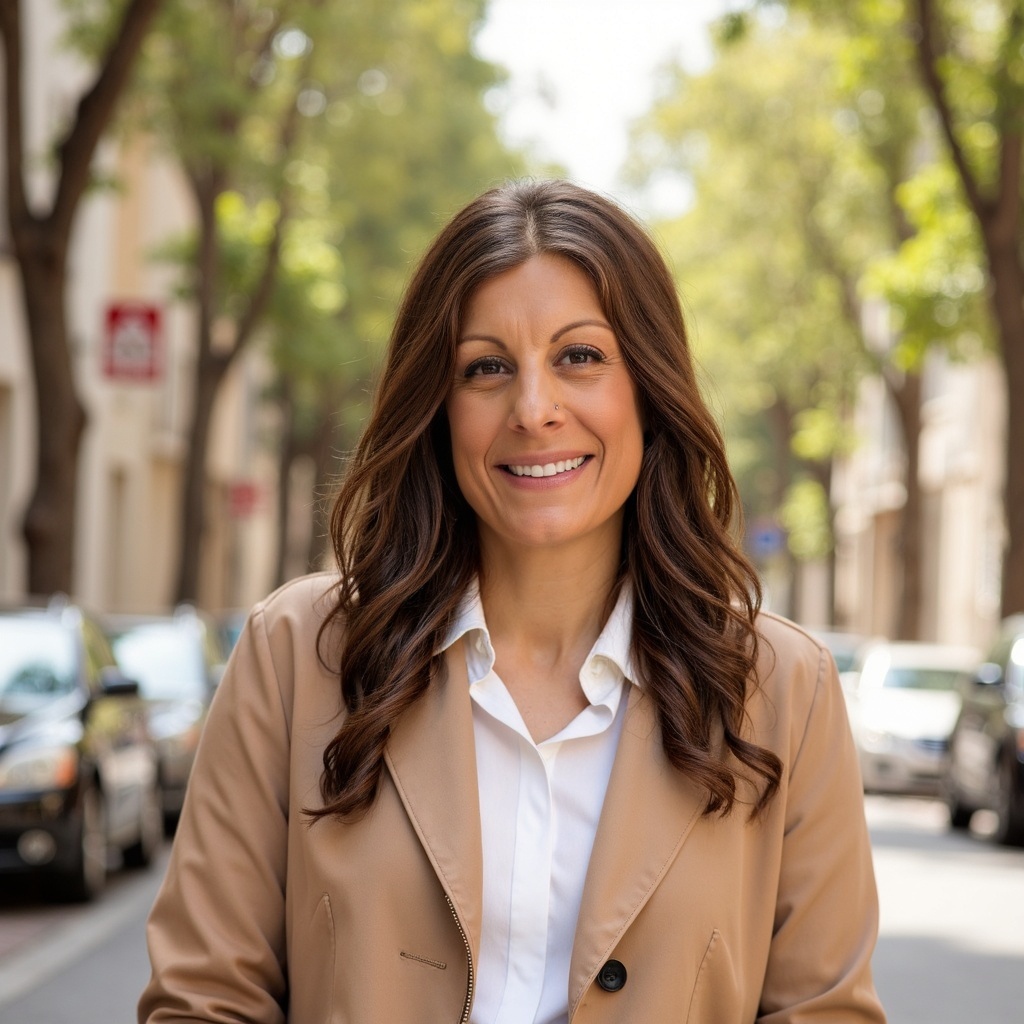
RN, Author
For more than twenty years, Christa McDonald, RN, has walked beside the dying — witnessing the sacred intersection of love and loss. As a hospice nurse, she has seen death in every form and learned that the end of life is not just about dying, but about living fully until the last breath.
She is the author of 8 Lessons the Dying Have Taught Me and the founder of GLADD (Grieving Loss After Death and Dying) — the world’s first international online bereavement community. Through her writing, her hospice home, and her speaking work around the globe, Christa helps others find hope, healing, and meaning after loss.

