Grief and Longing: Is Your Pain Trying to Transform You? with Chris Sansone | EP 513
Grief and Longing: Why Your Loss May Be a Sacred Signal with Chris Sansone What if the ache you feel after loss is a signal from your soul, one asking you to listen instead of fix? In this episode, I sit down with author and spiritual coach Chris Sansone to explore grief and longing. Chris shares how he began writing his book in the winter of COVID, just after his father passed and while his mother was in hospice. You'll hear how a medium's guidance, a late-night poem, and eight tablets of ha...

 Apple Podcasts

 Spotify

 Castro

 RSS Feed
Grief and Longing: Why Your Loss May Be a Sacred Signal with Chris Sansone
What if the ache you feel after loss is a signal from your soul, one asking you to listen instead of fix?
In this episode, I sit down with author and spiritual coach Chris Sansone to explore grief and longing. Chris shares how he began writing his book in the winter of COVID, just after his father passed and while his mother was in hospice. You'll hear how a medium's guidance, a late-night poem, and eight tablets of handwriting became Longing: A Pilgrimage to Your Quiet Power Within.
Together we talk about what Chris calls "sacred calamities," the moments that shake us to our foundations, and how to tell the difference between pain that simply wounds and pain that is trying to transform you. We also explore why you can't bypass the hard parts of grief, why pushback on "silver linings" is natural, and why you won't go back to who you were (and may not want to).
We also go into past life regression: what a session looks like, why you stay in control the whole time, and how it can bring peace to unresolved grief, fear, and unfinished business. Chris closes with a simple first step anyone can take to begin listening to their own longing.
In this episode, you'll hear:
- Why longing gets loudest in grief when everything familiar has fallen away
- How Chris wrote his book while grieving both of his parents
- Why spirit sometimes comes through a medium with a playful puzzle instead of a name
- What "sacred calamity" means, and why it never means bypassing the pain
- Why Chris calls grief a pilgrimage and not just a journey
- What Hoffman Institute retreats taught Chris about the deeper yearning in every person
- How past life regression works and why people keep control throughout
- How knowing that life continues can bring lightness to grief without taking away the sadness
- A simple first step toward your own longing: 5 to 15 minutes of stillness a day
About Chris Sansone
Chris Sansone is an author, spiritual coach, and teacher with a PhD in human development, coaching certification through the Coactive Training Institute, training in trauma response, and certification in past life regression therapy. Through his practice, Live Life Soul, based in Boulder, Colorado, he walks alongside people in life-defining seasons of change, helping them uncover what's beneath the noise of daily life, heal old wounds, and reconnect with their sense of purpose.
Connect with Chris
Website: https://livelifesoul.com
Book: Longing: A Pilgrimage to Your Quiet Power Within, available through Amazon, Barnes and Noble, and wherever books are sold. You can also ask your local bookstore to order it.
Take it with you
What resonated with you in this conversation? Is there a longing you've been trying to fix that you might try listening to instead? Share your thoughts in the comments of the companion article, where you can connect with me and with other listeners: https://grief2growth.substack.com
If this episode touched you, please share it with someone who is grieving. You never know who needs to hear it today.
Let's Connect
All my links: https://pages.grief2growth.com/profile
Facebook group: https://www.facebook.com/groups/grief2growth
Tip jar: https://www.grief2growth.com/tipjar
Email list: https://pages.grief2growth.com/join-the-club
Free consult: https://grief2growth.as.me/30-minute-consult
You've been listening. You're doing the work. But there's still this feeling that you're circling the same place.
Maybe you've thought about working with me one-on-one. Maybe something's held you back.
I get that. And I want you to know there's still a place for you.
All of it, pay what you want. You decide what it's worth. Nobody gets turned away because of money.
Want to go deeper? My Substack is where I share solo essays on grief, consciousness, and continuing bonds — thoughts that don't always make it into the podcast. It's also home to a community of listeners who get it, because they're living it too. Free to subscribe. Find it at substack.com/grief2growth.
I've been studying Near Death Experiences for many years now. I am 100% convinced they are real. In this short, free ebook, I not only explain why I believe NDEs are real, I share some of the universal secrets brought back by people who have had them.
https://www.grief2growth.com/ndelessons
🧑🏿🤝🧑🏻 Join me on Substack- connect with others and me
👛 Subscribe to Grief 2 Growth Premium (bonus episodes)
📰 Get A Free Gift
📅 Book A Complimentary Discovery Call
📈 Leave A Review
Thanks so much for your support
Close your eyes and imagine. What if the things in life that caused us the greatest pain, the things that bring us grief, are challenges. Challenges designed to help us grow to ultimately become what we were always meant to be. We feel like we've been buried, but what if, like a seed, we've been planted? And having been planted, we grow to become a mighty tree. Now, open your eyes. Open your eyes to this way of viewing life. Come with me as we explore your true, infinite, eternal nature. This is Grief to Growth, and I am your host, Brian Smith. Hey there, welcome back to Grief to Growth, or if this is your first time here, I just want to say welcome. I'm Brian Smith, and this show is about making sense of life, especially when life doesn't make sense. We talk about grief, loss, and the questions that keep us up at night. Who are we, where do we go when we die, and is it possible that the people we've lost are closer than we think? I bring on guests to help illuminate the path, no matter how dark that path may feel. Chris and Sonay spent years helping people ask the questions most of us are taught to avoid. Not what's wrong with me, but what is my soul longing for? Chris is an author, a spiritual coach, and a teacher with a PhD in human development, coaching certification through the Coactive Training Institute, training and trauma response, and certification in past life regression therapy. Through his practice, Live Life Soul, based in Boulder, Colorado, he walks alongside people in life-defining seasons of change, helping them uncover what's beneath the noise of daily life, heal old wounds, and reconnect with a sense of purpose that they may have lost touch with entirely. In this episode, we're going to explore what it means to treat longing as not a problem to fix, but as a sacred signal, one that often gets loudest in grief when everything familiar has fallen away. Chris talks about sacred calamities, those moments that break us open, and we'll dig into how to tell the difference between pain that simply wounds and pain that's trying to transform us. We'll also go somewhere I'm always a little nervous about and a little fascinated by, and that's past life regression. And what that work can offer someone who's carrying unresolved grief, fear, or unfinished business with someone they've lost. So if you've ever felt like your loss cracked you open, and you didn't know what to do with what came pouring out, and you've been asking like where you came from, why you're here, and where you're going, and you haven't found an answer that actually lands, this conversation's for you. If you want to continue this conversation after the episode, head over to grief2growth.substack.com. You'll find an article about today's discussion when you can comment and connect with me and with other listeners. So with that, let's welcome Chris Censone. Thank you, Brian. It's a pleasure to be here. I've been looking forward to this for some time, as I mentioned earlier in our prior conversation. I really appreciate the opportunity. Yeah, I'm really glad to have you here. You're here to answer all the questions that my listeners and I like to explore, all the deep things. Whenever I talk to someone that's doing work around grief and trauma, I always like to ask, is there anything personal that got you into this word? How interesting. Coincidentally, how I began writing my book longing, so this is sort of jumping ahead in my own sequencing, my own development, because there was connection to grief that I had prior to this. But there was a synchronicities of a sort. My endeavor started at the time of the onset of COVID. My father had just passed that December 20th, 2019. My mother was in hospice and would pass that May of 2020. So in that period, that's when the major shelter in place was so prevalent worldwide. I had nowhere to go. It was winter. I'm in Colorado. I couldn't travel due to restrictions on an air flight and such, but also because the work that I had been doing with the Hoffman Institute was closed down. Everything we give was in person. It was closed down. And I came in to direct experiencing of my deepest grief with both parents. Well, as I said, my mother would die that May, early May. So with both of them now gone, I endeavored to write this book. And so it came from a place of grief, if you will, of being immersed in grief. And yet it was a terrifically uplifting experience in so many different ways. It certainly was, as we say, transformative. I changed at several levels. And I don't know if that directly answers your question, but for me, this was really my immersion into both this, what began as sort of a mystery in writing and my own grieving process, simultaneous. Yeah. So do you think the isolation of COVID, I know you mentioned that, did that have something to do with you saying, like really forcing you to maybe kind of go within that you couldn't, because you really literally couldn't get out. Absolutely. Oh, you know, I could, I could take the dog for a walk or take a hike or, you know, drive or whatever. But, you know, I'm not a skier. So like most people, I was pretty much confined indoors. There was no travels. I mentioned work was all in person. So it really was a time of focus on stillness, really bringing my, myself into a more quiet place. In fact, that's kind of the way it began, was there was a false start to writing this book. It occurred before my father had passed. I had gotten the notion, really more than a notion, sort of a clear directive from Spirit. I was working with the medium who I had learned to trust over the years. And she had explained to me that she was getting the message that I was to write a book, and that I should open myself and enter into deeper meditation, the direction will come. So being a sort of a A type researcher, I figured, well, I know what to do. So I went into all my human development background and start pulling down the current literature on higher levels of consciousness. And I was going to, I was going to want to wait for a weekend, immerse myself in all the stuff. And I wrote up was effectively a pretty pronounced literature review. And I felt good about it. And I went back to my medium Victoria. And she said, I'm getting it. I'm getting it real strong. Is no, you are off track. That is, that is not what this is. You got it, it will come. And so I started to learn to trust that. And I remember being a bit defiant, and said, all right, I got my tablet, a paper and a pen, I was off computer, I didn't want to deal with that. I said, what? I went on the floor one night, it was dark, it was late. And I just let it go. And meaning the pen started working. And the first thing I did was write a poem. And I never had written a poem in my life. And it actually appears at the start of the book, it's called Begin. And I said, Okay, this is interesting. This is getting good. So I just kept at it. And that night, I completed about a half a tablet. And then over the ensuing two weeks, I ended up completing some eight tablets of just continuous writing. It took some deciphering to make sense of it all over time. And the redundancies. But it, the work found me, if you will, I mean, I don't want to sound too cliche about it. But as I said, I went down a different path. I found this path, it flowed, it wasn't always easy. But I immersed in it. And it was a it was a great reward to do it. That is really interesting. So you mentioned, I know you're in human development or in human development. Tell me what what is human development? Well, basically, it's mapping the life span. And we look at these different sort of polarities, if you will, or stages of development that are both predictable. And also, what I must say achievable, in other words, that each stage of development, there come challenges that we open up cognitively, emotionally, we can say also spiritually. So we learn to evolve over time to to be different at at 10 years old than we were at five years old, different at 15 than we were at 10 different at 25 than we were at 15. And these these intervals, these these which often are traced more closely to the decades, indicate growth. And they also indicate areas for growth. We don't always meet every, every sequence, every challenge with success. We've got to go back and continuously do the work in order to develop ourselves. So hence human development. And there's lots of ways to look at we can look at it from a purely cognitive sense, like, you know, how we think we have, do we do, we have the concrete thinking prevalent of a five year old? Or do we have more advanced thinking, a formalized sort of symbolic thinking that we wouldn't as adulthood, we aim in these different directions. But there's different traditions within a different human development, theoretical basis and such. But I tend to be more like an Ericksonian one that now moves into other areas of higher consciousness that he didn't quite articulate. Okay, so would this be like part of psychology, then? Yes, absolutely. It's a way of deploying psychology to understand the development of humans. But we're a psychology often more traditional psychology, this is aside from say, transpersonal psychology, right? Where we look at the neurosis. Typically, you know, the average walk a day person, you and me, every most people we meet in the world have some form of neurosis that we'd like to be rid of, you know, anxiety, you know, inclination to negative thinking, you know, all different kinds of habitual automatic ways that we function in the world, or dysfunction in the world. And human development, though, looks at life as a series of progressions that sit before us that we can meet with success. And as I say, we don't meet with success in those, we know it. And the good news is we can move in to those areas, we can greet, for example, our inner child and do the work that the five year old couldn't articulate. As an adult, we can we can engage with that aspect of ourselves. Yeah. And heal. Whereas, and so there's not a great hard line separation between the two, it's more of a soft one. But yes, psychology is is more of the healing aspect from neurosis, right? kinds of things that a person has. Yeah. Now, I was I was curious, because you mentioned your medium. And before this is before your father passed out for a lot of this, my for me anyway, I didn't see a medium till after my daughter passed away. How long have you been seeing mediums? Well, it was, I mean, off and on, you know, sometimes out of curiosity, I'd go check it out. And I remember meeting with a person who's both a psychotherapist and a medium. And I was very intrigued. Yeah. And she had predicted a couple of things that did come true. And I said, Okay, you know, this is, this is, and she did it in a way that was aimed to help me meet those challenges. And, and so I said, Okay, that's powerful. And then but it took me a number of years to really immerse in it, more as a spiritual levity, if you will, a way to elevate myself and be more aware. And that's when I, I had found Victoria. And she was she's a real gift. And I also have a close friend who invited me to have this conversation with her, who ex who are preamble was, you know, I'm starting to get these, these notions. And I'm seeing that I might be psychic. And I have these mediumship skills, would you be one of my first? And I said, absolutely, give it a try. She was about as modest a person as you could get. She's born in North Central, South Dakota, nothing pretentious about her. And she was his honest and down to earth person. So very easy for me to trust. And over the years, I reconnected with her probably monthly. And she was wonderful. I actually credit her my acknowledgments, my both Victoria and Stasha. So so it was it was a big boost and helped me get through some very difficult crossroads in my life. Okay, so seeing them more for sounds like guidance than connecting people on the other side. Okay. Yeah, well, that was part of it with both of them, actually. Oh, really? Okay. Yeah. With Stasha, it was fairly routine. And it was the interesting thing about this is sort of a little bit of a game and ship in how how others on the other side come in, they don't just announce it, you know, this is your grandmother Irene. It's they'll play a little game. And they'll, they'll, it's up to us to, to understand that this is an inquiry set, like, they're not going to just blast out, like I said, this is grandma Irene. But if you really, if you really are inclined to know who I am, I'm going to let you work at it a little bit. So as to let this be your initiative, not just me sort of coming in and dropping in on you. And so there's a gentleness about it, and it's playful, it can be very playful. And I remember that was as an example, my grandmother remarried my maternal grandmother and took on the name Piper. And so Stasha is the medium and she's she's conveying, I'm hearing that song, Peter Piper picked the pack of pickled peppers. And I said, and she said, this is definitely a woman. And I said, that's Grandma Piper. You know, and boom, so okay, now we got we're on, you know, yeah, yeah, yeah, that's a really interesting way of looking at it. I've never heard anyone describe it that way before, because people often ask like, why did and I just was, for the audience sake, I was telling you, I just got back from helping parents heal conference. And we had, I don't know how many meetings, there are probably 20 mediums there, they were doing gallery readings and stuff. And for people that don't understand medium readings, they'll say, why don't they just tell you their name? Why do they tell it? Why do they why do they give you a song or give you, you know, a movie or something? And it's like, so people have always been trying to explain that that's the first way. First, I've heard someone explain like, well, it's kind of a playful thing, which is an interesting way of looking at it. Yeah, it's also, you know, placing the initiative with us as receivers, they come in, hey, I got something to tell you, this is your, your, your, your grandfather, such. No, it's about us engaging and sort of opening the door, say, okay, I'm inviting you to come in, I'm going to do it by figuring, you know, basically introducing you. Yeah, yeah. So, and another thing I want to say about Victoria, because a lot of times mediums intuitive psychics get a bad rap for good, they're just trying to get hits. Just one, they just say yes to everything. And you came back and said, I'm going to write a book about this. And she's like, no, that's not it. You messed it up, man. And that's what she was just real point blank about it. And then she has told me from time to time, there are certain people from my history that she will not, she will not channel because their energy was way too heavy, way too difficult for her. She got, you know, I'm getting a headache. I don't like this. So she makes some arrangements with me ahead of time. This person, I'm not, I'm not here to channel this person. Anybody else is good. But that was interesting, too. That was one of the first limitations I had. And I also experienced that with Stasha, but at a lesser degree. Really interesting. Yeah. Yeah. Your family got some heavily, some heavy energy energy. Yes. Right. There are some characters, you know, part, you know, I was, we were referring to grief and how during the time of my book, I was immersed in grief and nowhere to go. I was like right in. But prior to that, I had been grieving most of my childhood. I grieved, I was grieving the loss of my childhood without knowing it. It wasn't until I got into psychotherapy as a young adult that I finally connected the dots. Oh, that's the way I feel. That's why I feel cynical. That's why I feel low energy. That's why I don't, I distrust people because I was a molested as a kid, sexually molested by the classic situation, Catholic school, coach, blah, blah, blah. We did self in and I actually commit a chapter or a story within a chapter in longing about that experience to demonstrate that there was something called forth in that experience I had with this character that could probably not come out any other way, but it was able to be launched because I was ready to have it. I was ready to have this experience. So that was one of, going back to Victoria, that was one of the characters she said, or no, with Stasha, I'm sorry. Stasha said, this dude carries some pretty negative stuff. And, you know, and anyway, I, I talk about it, as I mentioned, in, in longing. And that was all for me, an ability at a fairly young age to accommodate compassion for myself and for other people, which is a pretty, in terms of human development, it's a pretty broad leap forward for a 15 year old, 12 year old, 15 year old to have that experience. And I now understand looking back, you know, once I got through all the anger and the disrock feeling of, you know, why me? Why did this happen? You know, what, what kind of world is this? You know, if spirits and God is good, why did this happen to me or to any child? And I, and, and then I finally reconciled that, that on the other side of it was a trajectory that led to great growth. Yeah. Yeah. Yeah. And then excuse me, but that led me to write to introduce the five stories of five people who had these adverse life experiences as, as I referred to them as sacred calamities. Okay. Yeah. Let's talk about that. That's an interesting term, sacred calamity. Yeah. Well, I, I coined that in part from readings that I had found through the works of Ralph Waldo Emerson, we was talking about life calamities that really shake people at their foundations. And they, for some reason or another, find no way to readapt to the old, but are shaken. And now where that they go from that shakenness is all makes all the difference. So for example, if a person has lost their home in a fire, then they would, one side of this would be cynicism. You know, I hate this, you know, whatever, you know, why me, I lost everything and living a life of cynicism. Another one might be, yeah, we might have moments of our cynicism and then we need to sort of wash that through and have that experience. And what else? What else did I learn from that? How might that have brought me closer within to my true self, you know, losses that in our lives of those we love, bring us into a deeper place of, of longing. And, and it was through that experience acknowledging that, that it really sort of elevated this whole process of loss to a sacred position. And sacred doesn't necessarily mean, you know, we align entirely with spirit and or the divine and, you know, although that's often the way that it comes out in longing. It can be in a way of finding inner peace, finding a way of common brotherhood with others, a sense of oneness with the world, a way of identifying with other people from a place of tenderness as opposed to competition or separateness. So it can have a softening effect and a broadening effect. And that's what I've referred to as a sacred calamity. Yeah, you know, it's interesting we're having this conversation today because I just gave a talk at the helping parents feel conference a couple days ago. And it was, it was titled, why, why do we go through all the things that we go through? And I, and I talk about this, I, in my practice, I call it planted, not buried when something happens to you, that you, you can grow from this, you don't have to just stay where you are. And that could be a very hard thing for someone to hear when they're in the early part of their journey, right? They're like, what do you mean sacred calamity? There's nothing sacred about just a calamity. Yeah, yeah, this is awful. This is bad. This is, this is unjust. This is illogical. Right. You know, I don't trust. And that's all what we need to get to. And I can speak for myself. And then what I infer from these five stories of people that I, that I introduced in, in the book is that these are opportunities now, like you, like you just in tone, it's not like it just jumps out, right? Wow, this is an opportunity. Yeah, that's, that's, you know, sort of the catastrophe bypass, we got to go right into it. And, and so it's going right into what, you know, the regret, the anger, the, the feeling of victimization, the loss, the sadness, all of that. Well, that was that the potential for all of that was there anyway, now we're finding a way to master it and be with that so that we can move into those higher levels and call it now a sacred experience. But we don't bypass that. Right. And that get there. Right. And I think a lot of people think we're going to take the high road. You know, that's just, that's just spiritual bypass. That's not a sacred calamity. Yeah, I completely agree with that. I think it's, I'll put the title of your book. It strikes me in a couple of ways. One is I want to talk about this for longing because it just really resonates with me. But there's another word you had using your title pilgrimage, which is not a word that we use very often. We might say journey or process or something. Why did you choose the word pilgrimage? Because I think it embodies the person entirely, like, you know, to go on a pilgrimage, we are traveling into unknown territory. And there's a certain amount of faith and self-confidence that we have in order to do that. Yeah, it doesn't mean that we're sort of rise above fear. We don't, we don't experience it. You know, just, you know, Superman heading to the next opportunity to conquer. No, we're immersing ourself wholeheartedly, mind, body, soul, into an experience. And yes, sometimes it can be quite physical. And in a couple of the instances, the people who describe their experience, we're talking about something very physical. Mari was talking about reaching a point as a, as a late teen, total responsibility of elders in her family, now head of household responsibilities, trying to get through undergrad and apply to graduate school, all this happening in her life, her hair falling out, having no energy, you know, it embraces really calls forth the whole person. So in that sense, it's a pilgrimage. And a lot of times, we can kind of know where we're going from time to time. But it's often not clear. So that's why it's a pilgrimage. Like, where are we going? I know I'm going somewhere, but this is an exploration. This is a travel. I often have in my own work, utilize Joseph Campbell's version of the hero's journey. And which, which is often cited as sort of a reference that I mean, yes, I do quote Joseph Campbell, but mainly as a reference to say we're, we're moving into a process and we're only a hero, when we emerge to the other side. So all that point in between, we're really a pilgrim. Yeah, we're going in. And then when we emerge on the other side, we go, I completed, I went through the darkness, I went to the to the pit, I experienced all of that. And I came out, and everything was in ha ha happy. But I feel a solid sense of self and direction and self confidence that's beyond ego. This is this is a saturation in confidence, because I know where I belong and who I am. Now we're a hero. But until then, we're a pilgrim. Yeah. Well, you know, it's interesting, you know, the term use sacred calamities. And I was again, I was talking to helping parents heal. And there's a couple of mothers that put together something they called silver linings. After our children's pass away, they're like, there could be silver linings in these things. And there's a lot of pushback from people. Like how dare you say that there could be something good in the loss of my child, I could find something good. And so I was saying I was, you know, making this reference during the talk. And afterwards, a couple stopped me. And I because I said, Well, look, it's a choice. It's a choice, whether you want to see it this way or not. And he said, Well, it's not really, it's not really a choice. And I love your your term pilgrimage, because we can choose a pilgrimage, whether we're going to go on it or not, we can, we can sit where we are, or we can go, we can go on the pilgrimage, we can go on the journey. Mm hmm. I agree. I love the way you put that too, is this, it really is a kind of critical dialogue that we have to have with ourselves. And we can have it in a community like, you know, the helping parents heal initiative, we can we can engage like that. That's our purpose. We're here to talk about that and experience that. So a certain segment, I would imagine wasn't 100% of the people there and having this, this encounter with Hey, there's a silver lining that said that rejected that notion. Yeah, no, no, no. Right? Yeah. Well, I do think and I don't want to act like, you know, I know it all. There would be progressive points along the way, where we can finally say, I have acceptance. Yeah, I've reminisced. I've made peace. And now I have acceptance. And then acceptance says, Yeah, that really sucked. I didn't like that one bit. That was unfair. It was unjust. I got it. I was only 12 years old, or my, you know, I was my child was only five. And, you know, having that deeper sense of recall is really important. Never ever to forget that. But then there's another perspective that sort of envelops that and says, Yes, and, yeah. Yeah. And the way I told that I probably didn't tell it very well. So I was referring to when when these mothers put that we put it up on the website, this was years ago, there were a few people who comment. And, and one of my experiences, actually, when I was giving my talk, it was kind of a, I would call it advanced talk. And I told them, I'm gonna say some hard things to you. And I told the people in the room, I was looking at the room, it's been 11 years since my daughter's passed away. I said, if it's been less than a year for you, this is probably not the talk for you to hear. Because we do have to go through all that, where it feels like they're, you know, it feels like there's no hope at all. I mean, we and we can't bypass it. It's not going to take all that away from you. But at some point, you get to a sort of acceptance, which is also not a final thing, because we go round and around even with acceptance. But you get to a point where it like you're ready to hear the things you're talking about, when you say and you know, my clients will sometimes say to me, when am I going to get back to the person who I was? And like, I've got good news and bad news. You're not going to be the person that you were, and you don't want to be you want to, you want to take this to propel you forward. I love that. Then that takes it out of that sort of tragic perspective. Yes, I lost who I was, instead of I'm gaining a new self. That's that. And yeah, exactly. It's that. And it's like, yeah, you you will you will never be the same when you go through what you went through as a child, when you go through losing a parent, when you go through losing a child. Yeah, you're not going to be the same. That's not the point of life. Like throws these things at us so we can use them to go forward. Yes, absolutely. And then, you know, even put that way, I remember my early stages of this. And I heard that kind of claim that you just articulated so well. And I was I was vehemently I'm like, no, no, I was only 12 years old, you know, that sort of thing. And I wouldn't have any I wouldn't have it. And I went on I went up for another five or six years before I really opened to saying, OK, why? Yeah, exactly. Yeah, exactly. And same thing for me. You know, I remember I was first told us it was six months after my daughter passed, I was having a reading with the medium. And she said, your daughter came through and said, this had to happen. That was that was, you know, doesn't happen. And you're going to go on, you're going to do blah, blah, blah. And I'm like, I don't want to hear that. So I understand when people when people push back on it. And I think that's natural when you first hear it. I do, too. And it's important. Yeah, right. Because if we don't start questioning that, I know maybe somewhere down the road, after we've had enough of these losses, we can, you know, we're already at that place of acceptance in general. But I think it's really important. I think it's a developmental sequence. I don't know. You know, I mean, you could answer that as well as I. I agree with you. I mean, the thing is, I was just saying I was given my talk. I said, look, I'm going to I'm going to throw some things out for you to think about, you know, consider this a hypothesis or consider this, you know, an axiom. This is it's something I can't prove to you, but you can take it and you can play with it. And you can look at it in your life and maybe, you know, maybe you'll come back to me in a year and say, this makes sense to me, or maybe it'll be and maybe it'll be five years. It's going to be different for everybody. So what you're saying really resonates with me. And so we talked about pilgrimage, which I think is a really key word about the word longing. That really strikes me, too, because I can't. There can't be more longing than a parent who loses a child that that, you know, and I saw this this weekend with the eleven hundred people that were going through this longing. So talk about why you chose that word as well and why that's so important to you. Yeah, you know, Brian, that was one of those things that I was just thinking about this about a week ago, thinking, why did I choose that word and and how did that come to me? And I don't know. I just know the start of evolving in my sort of, you know, my mind and turning it over and turning it over and saying, longing. Little context. For nine years, I taught and coached through the Hoffman Institute. There's an intense one week adult retreat format that is highly, highly effective, indicated by research and then people really grow from this. And I and I look at the amount of angst, sadness, frustration, deep frustration that participants, students, as we call it at Hoffman, would express during the quadrenity process of one week, one week immersion. And I said, what, what, where does that come from? What is that about? And then over the week's time, you would see people evolve into this right being who they truly were not pummeled by these old ways, habitual, you know, mechanistic, sort of learned ways that became rote and were not very life giving, but people just sort of learned through survival and ways of being in the world. And so, you know, what is that all about? And one of the things I could identify was that 99% of participants there, including myself, had experienced this kind of draw towards something that was much deeper than anything that we could previously articulate. So we might well, you know, I love my wife or I love my children. I love, you know, I love our society, whatever it might be. I love my work. But there was always this deeper yearning for something to make peace inside. And so that's why I started with it is, is okay, seeing this person before they came in announcing this person as they completed their week, something happened. And there was that propulsion from here to here. And I said, well, what is that? Why would they, what was it? And so I understood that within us human beings, there is a striving or longing or yearning for something we can't quite describe. And we may not even know what it is, because we haven't had the experience of it might have a terrifically abusive experience as a child. And so we never really knew it, but something inside us is pulling us in a direction, or around us or within whatever it might be. But we're pulling and then once we tap into that, we can say, Oh, okay, that's what I need to be listening to. That's the deeper yearning, the striving, the longing for something else beyond all of this stuff I learned. And so that's where it started emerging for me, and then feeling that within myself, and then seeing it with my own life, and looking for it in all these other places, these in relationships, in jobs, in money, in accomplishments, and even parenting, and all of that, but then realizing those are only pathways, those are only choices, there's something else inside me that's striving for something more that those experiences can only approximate. And if I keep doing that, I'm just going to frustrate myself. So let's go home, what's going on in here. And that's where I started understanding those other people who I witnessed striving for something else, once I could start to witness it in myself, and feeling myself, and realizing that I'm never going to get there in this human form. So there's something else to it, like you were always in process, we're always a work in progress, if you will. And, and the more as we climb this summit, we see another one, and it's just sort of the nature of it all. And I said, What is that about? And then that led me to the deeper spiritual inquiry. And they framed it in the terms of the soul's quest, or the, you know, instead of the hero's journey, it was the soul's journey. What is that about? So longing, even as I say the word has a kind of a pull that I can feel within my own body. And that's the thing, pay attention to that. And without trying to sound, or without sort of minimizing this, but I think, maybe, maybe, maybe it's not minimizing at all. I think at this time in our human evolution, there's a greater longing for something deeper, more resonant with with this human experience that we're having, and that it's becoming crystallized in these actions, and these failures, and these, this artificial separation that we believe in. Instead, people are going more inward, and not everybody, but but the wave is strong enough that it's noticeable. And it's it's having that there is a reckoning on the horizon. So I believe we are as as a humanity, is moving into that and listening quietly, and responding bravely to their own longing. Yeah, well, as you were saying that, and it's becoming cliche, but I'm gonna go back to the movie The Matrix, which I think are the best movies of all time. I mean, I watched it, I can't tell you how many times and I keep I always refer to it might work because something about that movie, I think those guys channel that. But Neo at the beginning of the movie, it's like there's just something not quite right, right? He's doing all the things he's doing all the things you're supposed to do to be successful in society. But it's like, this isn't it, this isn't it. And I agree with you, I think humanity, I think, I think we've totally lost our way. I think we've forgotten who we are, why we're here, where we're going, all those things. And people are now going, okay, it's not in it's not in having more power. It's not in making more money. It's not even in relationships. It's there's something else that I'm that I'm longing for. And it's that and it's that longing that kicks off the hero's journey that kicks off the pilgrimage, right? Yes, we have everything we need that we're not going to ever move. I guess the antithesis would be complacement. Yeah. We're good. We're here. And or resignation is usually an aspect of that. It's not true acceptance. It's sort of, well, I have no other choice. Yeah, yeah, yeah. Yeah, go ahead. No, yeah, go ahead, please. Well, I just like the way that you had framed that, that there are two sort of mindsets around it, right? We've got this challenge ahead of us. And we can either grow complacent around and cynical and sort of perpetuate the old ways or try to pull us back into the past and become all of those sort of fixed ways of being and believing in, you know, winner takes all or, you know, whatever it might be. And there's another path. And that's to yield to it. And that's that takes a certain amount of ego strength to begin with, to drop it, to say, wait a minute, I don't need more. I don't need to be bigger, stronger, faster, outcompete. I need to feel this. I need to experience this. And there that resignation is a kindness that we give ourselves. And that's that's what I frankly believe is one of the calls behind grief, is to bring us into a more expanded version of ourselves. It's painful. But I also think that we're all grieving something every day. Yeah, we are leaders in this like yourself and others that you know, helping parents heal movement is a way of broadening that in or I should say deepening that and saying, yes, this is painful. And we're all in pain to some extent. And nobody gets out of this experience with, you know, scot-free, easy going. Yeah. When you spoke about your experience as a child, we all have wounds as children that sometimes we're not even aware of. I was in my 30s when I finally went to see a therapist. And for me, it was religion. And in my relationship with what I thought was God. And I was raised a very fundamentalist house. And I was like, I realized when I was again, I was like 35 I'm like, this is messed me up. And you know, you were talking about like grieving, you know, grieving a childhood that you didn't have. I was grieving it for, you know, different reasons. But you know, sometimes we have this grief that we're carrying around that we don't even know what it is. Wow. Yeah, that right there. Would you just put your finger on and that we could perhaps never know because we can't identify a cause behind that. That's our condition. I think that as human beings, we all are grieving. I start out sort of setting the context for my outlook in in my writing and longing, where I talk about this, this beginning that we have, the beginning is separateness. You know, we're fully immersed, assuming, you know, we're in utero. And we're fully immersed within another human being with no needs. Everything is completely satiated, you know, provided on time. And then we're cast in a moment, a pretty violent moment of birth into the separateness. Now we've got to be sort of acclimated or nurtured into that separateness. And then and then we tend, we are seeking attachment to something to rid ourselves of the pain and talking about a six month old child and on and on and on. We want that attachment. So we think it's in our parents or caregivers, whomever that may be. And we project, now I'm not saying it's a, it's a, an aware, you know, sort of a conscious process that we go through. But we project onto parents, well, you provide everything. And the way the pain when I get this thing later called hunger, or I get a quest for affection, you grant it all, you must be it. And then we start growing up and as teenagers start to split away from that. And we're really confused. Now we don't know where we're going. But if early on, we were taught that you're supposed to be separate, you're supposed to find something within you that tells you, remind you that you are truly not separate, at a very deep level. And that's, that's where the longing that the quest goes inward to connect with that, that inspiring part of being a human being and not believe it's all about status, prestige, you know, accomplishments, achievements, notoriety, and all of those other kinds of things. But it's actually to be found in here. And I mentioned teaching with the Hoffman Institute, there's some very accomplished people in their fields, you know, billionaires, people own, you know, multinational companies. We have people that were famous in the public eye, and that sort of thing. And that wasn't everybody. But there were a lot of those. And they were just as unhappy as the third grade school teacher, or the, you know, the plumber. I mean, you know, it's, and they were probably, in some regards, more unhappy, because they kept believing in that they committed so much of their life to that. But once we stop that, we say, what's going on in here? That's where the real work begins. And that's where the real end to separateness happens. Yeah, that's, you know, I was gonna say, I think they're probably less happy, because my theory is, as long as you're at a point where you think making more is going to satisfy you, you at least have that hope. But if you get to the point where you have all the stuff, when you've got the money, you've got the houses, you've got the power, and you realize that isn't satisfied, that's going to make you really unhappy. Because then where do you go? Yeah, yeah, then you get consumed with maintaining it. Now that's really got your energy. Yeah. It's your identity. It's your status and prestige. I got a name and all those other sort of things. Yeah. But I you know, and I know you do you're into past life regressions. Yes. And so how does that help you or help your clients even frame, frame all this over everything going through? Yeah. How did I first start getting into past life regression? I met someone who was doing the work. And I got very curious about it. And then had a profound experience from within my later learn, learn the process from she was a she was a certified teacher of it. But I said, Oh, my gosh, that explains so much that my psychotherapy, you know, my Hoffman process work could not yeah, I came to a point and say, Well, yes, and yes, and I couldn't and I had a lot of blanks. Then once I had this past life regression experience, I said, Well, it all makes sense. I get it. I get it. No wonder. And so I was actually amount a good amount of inner peace that I accomplished by knowing this story sort of has its beginning, middle and end. And here's what it served. And now I can do with that what I want. So no longer have that the circumstances or this perpetual sort of rewounding, I can see, Oh, okay, that happened. And that was then. And that and that was important for me to have that experience. I get it now. So there was a certain sense making out of all of that. And then I, I didn't just jump into training. I again, you know, researcher hardcore researcher, I looked into who's doing this work. And what what's the credibility behind it? So yes, there's a certain leap of faith that says, Well, okay, I believe in this. But up to that point, there are a number of notable folks who've been doing this. Michael Reese is one of those are he's he a Brian, we some sorry, Brian, we Michael Newton. Brian Reese was head of psychology at Yale University, and a psychiatric, the psychiatric unit. And he started having his experiences within a hypnosis treatment that he was doing with one of his patients. That was profound. Speaking other languages that were discernible, he would record them and then she had no knowledge of Chinese, for example, and he plays back and have an interpreter. And then she was spot on, but she had no knowledge of it. So he was, he was resistant to saying, Hey, I do this thing. And then these people come his past lives, you know, he's a lot to lose. Eventually, he did he just come out and he was he's terrifically popular. And you know, his books have sold millions. Michael Newton is another one who studied past life regression and studied the path of the souls. Like we're on a learning journey, we go to earth is a school, and and on and on and on. And they're one of the earliest researchers of them all was my was Roger Wolger. And he did the system that he too was a doctor, he has doctorate psychology, all these people were doctorate levels. And I said, Okay, there's something to this. I'm personally and I've worked with others who have had, for example, outside of my domain, you know, experiences with psychedelics, he said, you know, I had this understanding, I don't know where it came from. So we'll go into a past life regression, and they can understand it at a deeper level. Anyway, that's, it's a terrifically healing experience. It's also a mystical one. I've never had someone walk away and say, I don't get it. They've walked away saying that made a lot of sense. And sometimes it does not go in the direction we think it is, and you just have to yield to it. So for people who are not familiar with the process, what is the session with you? What does it look like? It looks like about a two to two and a half hour endeavor. With pre work, I will submit an enrollment form that basically discloses the work and some of its limitations. And then also some prep, like, what would you like to focus focus on? What is the call in your life, the pain, the opportunity, whatever it might be. And so they get clear, we enter into the physical space, it works online. So I've done it by zoom, and it works in person. And we will induce so that is using hypnosis. And so the front end, we're not only doing sort of the intention setting, that's I'd like to understand why I have this kind of relationship with women or why I have this relationship to my work, or whatever might be, why do I have this recurring nightmare. And we will focus in very purposefully from the point of hypnosis to a journey inward. And so I'll use metaphors, I'll use descriptors like a cave and moving through the cave as a progression. Now you stand out. And so there's a certain amount of coaching that I do in the experience to say, you will stand out, for example, once you complete your move through the tunnel into the light on the other side, you will have complete awareness of that lifetime. And they do. It's rarely been that a person says, I don't know where I am, that can often start out that way. They're confused. But there's a way of gradually moving them into their own awareness. And then from there, they make sense out of that. And the great thing about it is we're working at the subconscious level for that that bypasses, you know, the personality or the egoic level, that's so common in psychotherapy, we're going to the dream state level. And they're speaking from that perspective. And some of it at the time doesn't make sense. But overall, they start connecting that some of this is purely symbolic. And some of it is actual memory. So it's a sorting process. Yeah. And what are the benefits that people see from doing that? Yeah. Well, you know, I always say it's like one of the after you've done everything else, you've done your, you know, your psychoactive journeys, your psychedelic journeys, you've done your psychotherapy, you've done your coaching, you did all that reflective, good work. But something just keeps resurfacing. Now we're ready. That's okay. Yeah. Yeah. I just I don't know why I was talking to someone about past life regression just a couple days ago. And they said, Well, what if I get stuck in the past? What if I get fixated and something that happened in the past? And I can't get out of it. If you ever had anybody, that ever been a concern? No, it hasn't. Because I've only described sort of up to the middle part of the process. Then we start bringing this into relevancy. So how does that live in your life today? What and then there's agency. How would you like to be with this? I like to be rid of it. I like to make peace with it. I like to understand it. Okay. So then we go into those directions. And the person has agency to say, or I would like to reflect more on this. I'd like to leave the chapter open for a while. So it's always the person. And in fact, at any given time during the the experience, person might say, I have to go to the bathroom, I got to, you know, whatever, or I need to stop and just be right here. I've had people, we're going down this road. And they say, No, no, we need to go here, we go there. So the person always has agency. There's sort of a misnomer about hypnotherapies or hypnoses that a person loses control. But a person always maintains control. And so it's that essential invitation to have agency that makes the difference to say, I'm not stuck. I'm in charge of this experience. Yeah, I've actually been through it a couple of times. And, and I would say, I would, I think the way you described it is almost like a dreamlight state is really, is really accurate. And I remember a couple times, I was like the person was talking to me, and they were irritating me, I was like, just stop talking, you know, because I just wanted to stay where I was. It's like, you know, I'm okay right here. So, but it is, you know, you are, you are aware, you don't, you don't lose control. And I think more often than not, it seems like you get taken to the life or the experience is most important for you to remember. Yes. And so, yeah, it's been a good experience for me, you know, the couple of times that I've done it. So I know there is this this fear about, like you said, losing control, or somebody, someone said, well, it's going to bring up a trauma that's going to, you know, that's going to trigger me. But I think it's actually the opposite. Sometimes people have experienced traumas that they're holding on to, that they release after they realize where it came from. That's, that's an excellent way to put it is, once we can't the shine of light of our awareness on it with with some, some degree of benevolence, you know, and self compassion, we can say, Okay, I'm done. You don't need having that. So yeah, to look at the origins, and then with what intention, right? Right. Well, I think it also helps just the understanding that this isn't just our one life that we did come from somewhere, and that there is a path, there is an arc can help us with the, the heaviness of grief that we go through, we say, well, I only have this one chance, I only have this one life, I've lost my father, mother, it's it, it's over, I've lost my child. You know, I, when my daughter passed away, you know, she was 15, your thought is, well, this isn't fair. You know, I only got 15 years with her, I will, and I hear parents, it breaks my heart every time I hear it, I will never see them again. And I don't, I don't ever say that. I don't, I don't, I know, I won't, I won't see my daughter with my physical eyes in this lifetime, but I won't see her again. And that does add some some levity, to use your word and lightness to it doesn't take it away, doesn't mean I don't get sad or mad or anything like that. But it's not a forever thing. Oh, that's wonderful. And I think that's one of the, one of the outlooks aside from the specifics that a person experiences in a past life, aggressive session, but to actually have that awareness that there's continuity. And then it also puts, I don't know if you experienced this, but I, I have, and I, and I, and many of those that I've worked with have sort of looked at it as, okay, it's important what I do in this lifetime. This has longevity, this will live on. And I was not conscious, so conscious in those prior lives that I did those things, whatever it might be, or allowed, made those choices, but I can choose now. And there's a certain endowment of responsibility and awareness that we get from that. Yeah, yeah, I think that's really interesting because I think about, again, I was, I was raised in the church and, and past lives of reincarnation was a really part of man's belief for a very, very long time. And then the Christian church scrubbed it from the Bible because they thought, well, if we give people only one time, then they have to listen to us. And if we, and if we, if we say they get more chances, it's going to take away that responsibility. But I think you made a really good point. It's almost exactly the opposite. The thing that we do carries forward. It's not, it's not over when we, when we shed our physical bodies, it goes with us. I think that that's a great way to summarize it. And what I would add to it is that to have that perspective of, of, this is my responsibility, I think is, is also, what I want to say is it's, it's definitely a more evolved perspective than what the Christian churches, the various denominations, Catholicism, whatever it might be, was, was fearful of. Exactly. We say, I have responsibility for this. Well, that sort of puts me in a position of, of agency and care for my life and a sense of self-compassion. So it will, so to believe otherwise would be denying ourselves that maybe that's exactly what they intended to do. Yeah. I think it's a, it's a depends on how you view people. If you, if you view people, and this is, again, being in the church for a long time, there's a, there's a famous, I became a universalist after a while, a person that believes everybody is saved. And there was a pastor named Hosea Ballou and he was, he would ride the circuit a universalist. And he was with the Baptist preachers one day. And the guy said something to him like, well, if I were a universalist, I could hit you over your head, steal your horse, and I wouldn't have to fear the flames of hell. And the past response was, if you were a universalist, that thought would never cross your mind. Oh, beautiful. I love it. I love it. That's beautiful. Yes. Yeah. Well said. This idea that we can only be good if we're threatened with something is just not true. Like I think it's about, it is about personal responsibility and agency and how important the role that we play is in the whole big picture. And I think that's what actually lifts people up to want to do more. Yes, absolutely. If I can do this, it's liberating. If I have this responsibility and I can make these kinds of choices, what else can I do? And beyond sort of sense of responsibility, which is, you know, in and of itself could be, you know, alone, could be, you know, I have all this responsibility. But hold on. I also have freedom. I also have freedom to choose and to craft my experience as a human right now in the moment. And every choice I make is around that. And whatever intention I set, that's a much more liberating perspective than I better be good. I'll get in trouble. Yeah, exactly. Well, unfortunately, we're coming close to end of our time. I want you to tell people about your book. If they get a book, what are they going to find? Thank you. Well, here's a here's a copy. I always keep a copy close by myself. This is longing a pilgrimage to your quiet power within. It's available. It's distributed by Simon and Schuster. It's available through Amazon, Barnes and Noble, anywhere books are sold. And you ask your local bookstore to order it if you prefer. And you can reach me a person who reached me directly through my website. I'll also give my email address. But my website is live life soul.com. And there's a, you know, a link in there. And you can drop me a message to be happy to connect with anyone who might have any questions or want to book a session. I also am available directly by email at C or excuse me, make that Chris C H R S Chris live life soul.com. And yeah, be look, I always love to hear from folks and and like to hear what they have what they learn from the book. Okay. Well, one final question for you. If someone's listening today, and they want to know what's something I can do to start working on my longing, what's what's the what's the first thing you would suggest? Um, meditate, find stillness, whether for whatever form of stillness, you can. Sometimes it's sitting in quiet and counting your breaths. Sometimes it's yoga. Sometimes it's being with a loved one and simply being in silence or together. But beginning with stillness, and there's so many different ways to create stillness in our lives. And we have such a busy, loud, noisy existence. These days, these like last 10 years have been crazy on that note. But as long as we can step away from that and go inward for 15 minutes, five, 10, 15 minutes a day, it starts. Awesome. Awesome. Well, Chris, thanks for being here. You're welcome. And so thank I'm so grateful, Brian, for this conversation, it was a pleasure to be with you. Thank you. Enjoy your afternoon. Thank you as well.
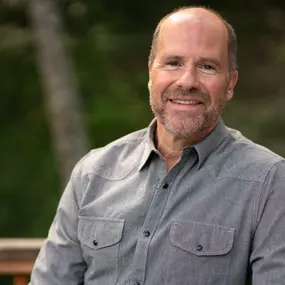
Christopher Sansone, PhD is a life, leadership, spiritual coach and past-life regression guide who has supported individuals for nearly three decades to align with their soul’s purpose and live with authenticity, clarity, and self-love. With a PhD in Human Development, certification through the Co-Active Training Institute (CTI), and certification in past-life regression therapy, he blends psychological depth with spiritually grounded practice to help people transform stubborn inner patterns and reconnect with their quiet power within. He is the author of Longing: A Pilgrimage to Your Quiet Power Within.

