Grief Stored in the Body: Dr. Karyn Shanks on Why Illness Isn't a Failure | EP 506
What if your body isn't broken — it's trying to tell you something? In this episode of Grief 2 Growth, Brian sits down with Dr. Karyn Shanks, a physician who spent over 40 years learning what medical school never taught her — including from her own chronic illness journey. Together, they explore why grief and trauma get physically stored in the body, why our medical system struggles to treat chronic illness, and why feeling truly seen may matter more to healing than any prescription. About Dr...

 Apple Podcasts
 Spotify
 Castro
 RSS Feed
 What if your body isn't broken — it's trying to tell you something?
In this episode of Grief 2 Growth, Brian sits down with Dr. Karyn Shanks, a physician who spent over 40 years learning what medical school never taught her — including from her own chronic illness journey. Together, they explore why grief and trauma get physically stored in the body, why our medical system struggles to treat chronic illness, and why feeling truly seen may matter more to healing than any prescription.
About Dr. Karyn Shanks:
Karyn Shanks, MD is a physician-healer-teacher-writer based in Iowa City, board-certified in Internal Medicine and Functional Medicine. After her own decades-long journey through Ehlers-Danlos syndrome and Lyme encephalitis, she founded the Unbroken Academy and developed a framework built on epigenetics, neuroplasticity, systems-based functional medicine, and transformational psychology. She's trained in Dr. Gabor Maté's Compassionate Inquiry, and is the author of UnBroken: Reclaim Your Wholeness and HEAL: A Nine-Stage Roadmap to Recover Energy.
🔗 Website: karynshanksmd.com
Key topics covered:
- Why grief is a "huge part of the human experience" that shows up physically in the body
- Karyn's own health journey — from unexplained fatigue to an Ehlers-Danlos diagnosis to recovering from Lyme encephalitis
- Why Western medicine excels at acute, catastrophic care but struggles with chronic illness
- Epigenetics and neuroplasticity — why your biology isn't fixed
- The placebo effect as proof of the mind's power to heal the body
- What Compassionate Inquiry (Gabor Maté's framework) taught Karyn about trauma and self-compassion
- Why grief gets "stored in the body" and has to be worked through, not medicated away
- Why we're ashamed of grief, and how "get back to work" culture cuts healing short
- Reframing illness as wisdom and communication, not failure or fault
💬 What resonated with you? Head over to grief2growth.substack.com to share your thoughts and continue the conversation.
You've been listening. You're doing the work. But there's still this feeling that you're circling the same place.
Maybe you've thought about working with me one-on-one. Maybe something's held you back.
I get that. And I want you to know there's still a place for you.
All of it, pay what you want. You decide what it's worth. Nobody gets turned away because of money.
I've been studying Near Death Experiences for many years now. I am 100% convinced they are real. In this short, free ebook, I not only explain why I believe NDEs are real, I share some of the universal secrets brought back by people who have had them.
https://www.grief2growth.com/ndelessons
🧑🏿🤝🧑🏻 Join me on Substack- connect with others and me
👛 Subscribe to Grief 2 Growth Premium (bonus episodes)
📰 Get A Free Gift
📅 Book A Complimentary Discovery Call
📈 Leave A Review
Thanks so much for your support
Close your eyes and imagine. What if the things in life that caused us the greatest pain, the things that bring us grief, are challenges. Challenges designed to help us grow to ultimately become what we were always meant to be. We feel like we've been buried, but what if, like a seed, we've been planted? And having been planted, we grow to become a mighty tree. Now, open your eyes. Open your eyes to this way of viewing life. Come with me as we explore your true, infinite, eternal nature. This is Grief to Growth, and I am your host, Brian Smith. Welcome back to Grief to Growth, and if you're new here, I'm so glad you found us. I'm Brian Smith, and this show is about making sense of life, especially when life doesn't make sense. We talk about grief, loss, illness, and the questions that keep us up at night. Who are we really and what are we capable of when everything falls apart? I bring on guests who have walked through the fire themselves and come back with something to teach us about healing. Dr. Karen Shanks is a physician who spent over 40 years learning what medicine doesn't teach. The healing isn't something that happens to you, it's something that happens through you. She's board certified in internal medicine and functional medicine, but the credential that matters the most is the one she earned by living it. Chronic complex illness knocked her down, and she found her way back. She's spent her career since in helping others do the same, blending epigenetics, neuroplasticity, and functional medicine with something far less clinical, safety, compassion, and story. She's the author of Heal, a nine-stage roadmap to recover energy and the wisdom of COVID-19, and the founder of the Unbroken Academy. In this episode, we're going to dig into something I think a lot of us carry without realizing it. The quiet belief that when we're sick or struggling or falling apart, that we are somehow broken. She's going to challenge that belief at the root. We'll talk about why feeling truly seen and heard can move the needle on healing more than we'd expect, why safety and connection aren't soft add-ons but biological necessities, and what it actually means to find equilibrium where your body feels like it's betrayed you. We'll also get into how the medical system itself, the one that's supposed to help us heal, has often let people more disconnected, more burned out, and more alone in their illness than when they walked in the door. So if you've ever been told your labs are normal while you feel anything but, if you've ever wondered why your body is working against you or trying to tell you something, if you've ever needed someone to simply believe you and listen to you, this conversation is for you. And if you want to continue the conversation after the episode, head over to grief2growth.substack.com. You'll find an article there about today's discussion where you can comment and connect with me and other listeners. So with that, let's welcome Dr. Karen Shanks. Thank you very much, and that was a beautiful introduction. Thank you for that. Yeah, thank you for being here. And we were just talking before we start recording about like how our worlds intersect. I talk about grief and I talk about the things that come along with that and you're helping people go through medical conditions, but the two are so closely tied together. Absolutely. Yeah. I mean, grief is a huge part of the human experience. It shows up everywhere. It shows up in people who've been sick and lost a lot through their illness. It shows up in their bodies and the way their bodies have organized around a life filled with grief that in some many instances can lead to chronic illness and chronic symptoms. there's a huge overlap between what you and I do. Yeah, I know you've been practicing medicine for quite a while, but you had your own experience, I guess fairly recently in your career with going through some chronic stuff. Yes, I I it's funny in my mind as you say that like I instantly downplay it, but it was it has been very important. I spent many decades trying to solve the riddle of why I was intermittently very deeply fatigued and injuring like joints and tendons and ligaments and I was always treated like a problem and another problem than another problem that you know, just like a series of problems and And finally it came together both through my own, you know observation and some help with one of my caregivers that I have a condition that's called erlos danlos syndrome and I have a variety of it that involves hypermobility so the the tendons and ligaments are extra lax and stretchy and so joints are unstable and it can lead to recurring injuries if one isn't careful and doing you know providing the stability that the joints need and it also leads to low blood pressure because of unique connective tissue in the vascular system and that was the cause of my fatigue. So once that was all put together those years of struggle and wondering what am I doing wrong? I'm just a weirdo. I'm you know and lots of experiences of loss. I was able to I was able to begin to manage it in a meaningful way because I understood what was going on and and so I I'm I do very well but more recently I had a a bout of Lyme disease, Lyme encephalitis, it affected my brain and it's a very profound experience but with a lot of support and help and sort of my own understanding of systems biology and healing the whole person I'm 98% back to normal. Okay. Yeah. Pretty close. So I the thing that's really interesting to me is is trying to figure out things like that like what what is going on and I know like like you said with with traditional medicine a lot of times doctors they see one injury they see another injury and they don't really get to know like our whole the whole person what's going on in our lives. So was that your experience also? That was my experience is like I and these are well-meaning docs, but they got five minutes to see me and it's like okay ten and I Okay torn rotator cuff, you know, and it was like one and the surgeon who who repaired my rotator cuff excellent surgeon did a beautiful job in his op note up his the note that he wrote after the operation He commented on how lax my joint was But they never talked to me about that So that that was me going through the records and like isn't that interesting and that fits with these other things So, yeah, it's just everybody it's like I became many parts many problems and that's exactly what the people who come to me have experienced and why they've slipped through the cracks because no one is a single problem no one is you you know, singly is a single dimension there and You know everybody's really beautifully complex when we stop to look at it no matter how You know relatively simple their problems are and they deserve to be seen that way and I and I think we can provide more effective Strategies more effective medicine for people when we look at them as whole people Yeah, I think that's a really good point and and I i've done shows like this before where we talk about the western medical system And I don't ever want to feel like, you know, we're bashing doctors because they're doing the best they can Yes, and they're in a very difficult system and as you you know talked about they've got a few minutes to see you They've got their they're over-scheduled You know, I always try to get to the doctor in the morning because by the afternoon they're always behind Yeah, and they're they're pressured to you know, give diagnoses and you know, write codes So it's it's the system. It's not necessarily the people in the system, right? But then you know, they don't they don't get a chance to like I said to really To get to know you to understand that this thing is your your tendonitis or your your rotator cuff is related to your tendonitis Which is related to the knee problem that you're having right? Exactly. Exactly. And I will also say that Western conventional western medicine does a brilliant job with acute life threatening problems That's when you want them to size you up quickly You don't want them to take the time to get to know you because you're having a heart attack, right? so so those are the kinds of things that they do well and We we've all we all have stories of having benefited from that part of the system, but they don't do chronic Illness and they don't do prevention and they really should just stop trying You know, that's a that's a really really interesting point That's kind of the conclusion that that i've come to also because I do I interview a lot of people who are reiki healers And various, you know energy healers and and they're they're doing different things with with again the whole person and stuff But you know if you break your leg, you don't want to go to a reiki, you know to go get reiki on it All right, you want not first that's not your first stop Yeah, not at first right or if you're having a heart attack, you're not going to go see your reiki practitioner That's right. There is there's a place for both But what seems to have happened in in our system, I guess what's called allopathic medicine We've kind of squeezed out those alternatives or not even alternatives i'm going to say those those things that could be layered over top of it That is very true. So yeah, so and um, and there's this sense that conventional western medicine is sort of the um Well, there's a hierarchy. Let's just say and you know And western medicine is built on science reductionistic science, which has its limitations But but you know science is king in our culture So that you know that makes the science-based Healing practices, um the at the top of the totem pole, which of course is ludicrous in my view based on my understanding of science and and uh, and you know the way life actually operates but um What was I gonna say what what were you originally saying because I that was making me think about a point a point I A different point that I wanted to make it was kind of like what you were saying It's the the western medicine. There is a hierarchy. There's yeah, we think everything has to be fixed Physically and that's that's the only thing that's going on is the physical That's right. Well, yeah, so so part of what uh, western medicine misses an opportunity um It because it is so science-based reductionistic great at acute catastrophic things um Not only not good at chronic illness, but not no There's no the the practice model doesn't accommodate for it because they don't have the time they are operating with you know with Constraints by insurance companies and and what have you and needing to do codes and type into their electronic medical record There's so much distraction that they just can't they're not present for people right to be to be whole people but but also it just The whole way western medicine looks at people through the lens of like diagnoses And symptoms and what are the best treatments for those symptoms and really addressing things? kind of What downstream after the train has already left the tracks rather than looking at things in a more upstream way to address problems at the Larger root cause level or or even prevent problems by teaching people how to Genuinely take care of themselves to me. That's the huge um, that's where uh, western medicine really Misses the mark. Yeah, um, and that's a huge Gap not only in our understanding about ourselves and how human beings are, you know constructed and how we operate um, but also, you know how we can um really really hold people in that space of being hold people and and learning what they need to learn to In many ways take care of themselves because most of what ails us Isn't rocket science It doesn't require rocket science It requires like a certain tuning in a certain wisdom a certain learning about ourselves and how How the human body operates in this incredible relationship with the environment with the planet with you know one another our relationships And we're just not literate in that. We're not like body. We're not human literate, you know, yeah like other cultures Perhaps are um, but what western culture is not Human literate. Yeah use that phrase before but I think I like that. I like the way that sound I was going to say I really like the way that sounds too because you know The the I guess the flip of that would be body literate and we think we're body literate We think we understand how the body works. No one thing's interesting the little bit. I know about medicine Like for most drugs, for example, we don't know exactly how they work We don't we don't know we we know it works and we test it But we don't know how it works. We don't know exactly what it's doing in the body And i'm i'm a scientist myself. My background is chemical engineering. I think science is really important But we're the misunderstanding that science means Reductionist was the word you use or materialistic that it's just like that's what it is Right, and I find it fascinating like the placebo effect to me is just like it kind of blows that whole thing away We know it's real. We know that every drug company when they come out with the drug They have to test it against the placebo Because we know this placebo effect is real, but we can't account for that from a materialistic point of view We can give someone a sugar pill that has 80 percent of the effectiveness of the actual drug that we created exactly and we dismiss it. Oh, that's just a placebo effect Yeah, rather than oh my god, isn't the human organism fantastic? You know that we can actually heal ourselves simply by believing That we're taking the active pill not the not the sugar pill Yeah And and that to me is a big indication of how we're missing Something in western because if if there's a placebo effect that can make us feel better because we think think we're taking our pill Maybe there's something going on with this emotionally or mentally It's causing a physical ailment and we need to address that as well Well, and that's a hugely important point and that I think part of that is goes back to how we're taught to view ourselves and we really view ourselves as body disconnected from everything else where Our emotions are here. Our mental processes are here. Our body's somewhere else our spirit is somewhere else and not and you know, we don't even have language to Like represent how we're really a unified whole and every thought every feeling every emotion every trauma every everything has a biology and that biology becomes part of how we're organized and that's why it's so important to understand The emotions and and the effects of trauma on human health and how we how we're able to function And and how those are important inroads to improving Um human health Yeah, the introduction I use some words that we probably want to go back and define for people We talked about um epigenetics. Let's start with that one so epigenetic so with the the the um old yet still pervasive way of thinking is that our genes Determine our biology Determine our future that they're they're kind of the book of life. They're written in stone Um, they do not change and whatever life has given us in that book of life Is what's going to happen and we believe that for a long time science and in In many ways many of us still have it kind of stuck in the way We think I even do because it's so much a part of the you know, it's in the water It's in the air. Um, but what we've learned is that actually most of our genes 99% of our genes don't code for proteins and structure and actual function They actually turn on and off Depending on what's going on in the environment the external environment as well as the internal environment To change the expression of that other one percent of our genes So that means we're constantly regulating how our genes are being expressed which means and many of the ways we can regulate how our genes are expressed is um We can direct what food we eat how we move how we sleep How we live how we connect how we relate all of those things Change our genetic expression so epigenetics is it is a The powerful way that we can have a certain measure of control over all of our Outcomes. Yeah. Yeah, and that's and that we're getting back getting back to science. That's science We've actually we've actually shown that this is actually this is something so You know several years ago they someone would have said well, that's just ridiculous It's just our genes control adjusting as you said, but as we learn and as we study we're learning these things Um, the next thing I like for you help me define is neuroplasticity Okay, so neuro I think of neuroplasticity as the energy of epigenetics in the brain and the nervous system. So um, so what that leads to are are changes in the brain and we used to think that the brain and I I learned this in medical school. The brain Is plastic that is it changes and grows during the early part of our lives, right? little babies growing into children and Into adulthood, but then once we're adults boom, it's it's fixed and you what you you lose it It's gone now. We know man. We we can grow new connections throughout the brain Um, which really is a when you think about it when we this is science, but also when you just think about it We're all we have the capacity to learn through life And every time we learn something we're forming new connections between neurons. And so our brains can Are constantly capable of growing becoming more complicated becoming more, you know Wise being able to see patterns and things that we didn't use to see we can change our stories And we can literally, you know If we have something catastrophic happen to our brains if we're in an accident or you know Injury or a stroke people can recover from those kinds of things, right? Depending on how much they put into the system to generate that That that neuroplasticity as we call it. Yeah, and so that's that's again. Another thing. This is it's our it's not fixed We can we can change it The other phrase was uh, we talked about uh, epidemics neuroplasticity systems based functional medicine. What is that? Sure, so that is uh, so functional medicine is the um practice is a way of practicing medicine that doesn't just look at diseases And stick people into disease boxes. It's literally looking at people's systems biology, which is How our body operates all the chemistry all the processes All the you know, and we've got all these processes like we have we have detoxification We've got energy production and the mitochondria, you know, we've got all so we have all these systems that Interrelate and overlap and they're basically what forms how our body operates and determine our level of capacity and health and and resilience and um By understanding that we can work with people At the at that level not at the level of symptoms and diseases But at the level of what is your systems biology actually doing and how do all those? aspects of the system interact and how do we In our day-to-day living how do we interact with those systems to make them healthier and to operate better? Yeah. All right. And then the last thing I like to define for me place is transformational psychology That's kind of a term. I may have even made that up, but it kind of encompasses all those um kind of uh Forms of psychology that understand human potential and support human potential And in a variety of ways that you know, people can really change themselves and change We can heal our trauma We can heal. Um, we can we can learn to see the world through, you know new lenses You know, we have so much potential. Um As humans to improve the way we live and the way we feel and the way we you know, just Can be humans. Yeah, I consider that to be transformational. So transformational psychology Yeah, well, thank you for for defining that because I think these are terms that are that are really important to get again Outside that little box that we've that we have That and i've never been to medical school, but from my understanding a lot of people in medical school are kind of trained this way And and maybe it's kind of out of necessity because we said there's some things that you have to be able to do and some Western medicine has been so successful with so many things But a lot of things that really ail us like you said chronic things or trying to learn to prevent things It hasn't done so well at and we need I think I like to see maybe that expand a little bit Um so that we could have you know, I was talking with this woman the other day I think I mentioned earlier I did a podcast with her and she's had all kinds of different things going on with her, you know between cancer and endometriosis and lots and lots of different things and She's like I think if you get it one of these diagnoses, they should also assign you to a therapist You know, you you get the diagnosis and they say here go get this treatment You're going to be doing chemo, you know, whatever, but we don't we don't take care of the spiritual or the mental aspect of the patient We take care of very little beyond killing the cancer cells Yeah, I mean we we know how to kill cancer cells, but that's not That's only part of what needs to happen. I mean even in terms of Curing cancer. That's the only part like you you go and you get your chemo regimen prescribed but you're not sent to a nutritionist to support your body's repair processes and and yeah You're not set to what about the therapist? We talk about a devastation and Incredible amount of stress and upheaval and loss That should be the first prescription Is you know, let's get let's get you a good therapist and help you process this and help you walk this this path and then you know a therapist and then maybe so like a You know a holistic manager who can then like get find you the nutritional help find you the help at home and the Get the meals brought in and you know just all all the Therapy for your family so they can so they know how to support you. Yeah, we're yeah, we're Our needs are not well as well met as they should be in that arena Yeah, and that comes back to what we're we keep talking We're going back to is treating that whole person treating treating us as a as a body a mind And an even spirit so we can integrate these things together and you know, even when it comes to you know, something like cancer It's really interesting because what happens is, you know particular cells in our body just kind of go out of control and they're like I'm just going to grow as much as I can as fast as I can Which is great. If you're just a cancer cell, it's not great for the body So it's it's really like I think it'd be interesting if we could find out like what's causing that that to happen If we could find a way to maybe turn that off as opposed to just try to kill it And and just try to fight it And and I think there are people looking at that But it's not something that's really trickled down into clinical practice yet. We're still right in the therapy, which is all about killing The cancer cells are arresting their growth And and nothing else and that's all that continues to shock me yeah, and I think from a again from a from from a Mechanical point of view that makes sense because you know, it's like this is the problem But maybe from a spiritual point of view you could say well while we're doing that Let me see if I can work on like talking to my cancer and and saying, you know, what do you need? What's going on here? Why is this happening? Right? No, exactly my understanding, you know, I and the the way I Tend to look at things as whether it's a cancer an infection You know some kind of toxicity whatever it's always about a relationship between It's a relationship between those cancer cells in the body Within which it resides and that body includes everything that influences Biology, which is the spiritual we are spiritual beings. That is Who we are. We are emotional beings. That is who we are and all of that has a biology and so to not address the emotions to not address the spirit is so Um shocking and so all kinds of wrong when in in the context of Taking care of a person Yeah So why why do I and I I think we've already kind of touched this a little bit when I ask you I want to ask you though Why is it important for people to be heard or felt to be when they're when they're going through something like this? Um, because again a lot of times it's like we go in We get we get the diagnosis. We we get handed the brochure we get told us But the patient doesn't actually get heard. Why is it important for us to be heard? It's the primary human need I mean, it is the primary human need to feel connected to feel like we belong to feel like we matter um I think that feeling like we matter and being seen is like those are part of the connection with another human being And uh, and also our a connection to ourselves that we are important that we our body mind spirit And every single part of that is so important Um, and we are part of a family and we're part of a community. I mean we are these multi-dimensional beings And when we're seen through the lens of just uh, the cancer cells and the body in which those cells exist we um, we lose ourselves many people even lose a sense of Profound connection to themselves and how sacred they are, you know um, and and especially when That kind of thinking is just reinforced in our culture. I mean it's not just medicine medicine Is born from culture, right? It's just reflecting What our dominant culture is really believed for maybe hundreds of years since the scientific revolution at least um And i'm not a historian, but you know, that was like a that was a a major point in world history In which we made this decision that the body was going to go to science And medicine and the spirit and you know, every all the human intangibles would go a different direction Yeah, well that's i'm not a historian either by studying this particular thing a little bit It's been about a couple hundred years where you know, it used to be that men of science were people who were spiritual They believed in an orderly universe They believed in a caring creator and they thought we could learn about the creator by studying the creation And they they were spiritual by default and then science said okay Well that's we can't study the spirit. We can't study the soul We in fact, they even took consciousness to put that over there They're like we can't study consciousness, which is really I think all that we are That was the church, wasn't it? That was the church did that. Sorry. It's true Yeah, well the the church used again that church and science were together for a long long period of time Yeah, some inconvenient things came out like the earth revolves around the sun as opposed the other way around and church Now we we can't we can't deal with that because we're the center of the universe But the thing is at that point there was this break and and the thing is that That's what we forgot as human beings who we are that we are these complex beings that we're not just a biological robot And you just make this input and you just change this chemical and then this happens or you were talking about evil genetics like This is the way you're born. This is the way you're always going to be, you know Your parents gave you these genes. There's nothing you can do about it, right? That's exactly right. And then when science took hold of the human body and adopted the principle of reductionism as like the Really the only way to look at things in a meaningful way and I get that The smaller the thing you study and the simpler the questions you ask the more clean your output is exactly I mean and that's that's fine. I don't have any I don't have any Any problem with that it's then We take that we take the output and we make assumptions about it We make assumptions that we can take this one tiny observation and go back and apply it to the whole that is Excuse me My class said little dogs hurt a delivery person. Yeah And that's what's all kinds of that's what's wrong is how We simplify things for the sake of observation, which is fine, which is great uh, but then we don't go back and um and Look at that and ask, you know, what what does this really tell us about this more complicated system? Yeah, and I and again, I you know being an engineer and having spent a lot of time in the lab I understand we have to be able to do experiments and things have to be repeatable And like you said this all makes perfect sense But you know, it's interesting because like quantum mechanics came along or quantum physics And that just blew some blue material is mine Well consciousness has nothing to do with what happens in the material world, you know How could observing something actually change it and that should be one of the clues? That lets us know there is more going on than just this, you know, just the biological aspect of things So again, it's not to discount like I would never tell people don't go don't go to your doctor and don't take your medication And if you need, you know a bypass and certainly certainly do that But also look at these other things as well As you said, you know, even even when it comes to like nutrition, you know Uh, we we all eat every day and we we know that that affects our bodies So we'll we'll take a drug from our doctor, but we don't pay attention to what else we're putting in our bodies That's very true. And you and you mentioned quantum physics, which you how old is quantum physics now? It's about a hundred years. I think yeah about a hundred years 100 or only a hundred Yeah around that. Yeah early 1900s. Okay. Well, I mean That certainly hasn't trickled down into medicine right, right And yet it's the basis of our part of the basis of our whole reality It's what it's what kind of blends the the physical with the spiritual, right? Yeah, I think that that's where a lot of us spiritual people are going see, you know Again, you want to go to science? Okay, fine This is where science is kind of pointing us is because we when they when they ran the double cell experiment is the most You know the famous one, but there's been others That show that you know observation does change things physically and the placebo effect like we're talking about her earlier That's that's really you know Again, every drug company in the world knows about this they have to because they have to account for it They've done what they call sham surgeries on people They'll actually say you're going to have a knee surgery and open up their knee and not change anything structurally the knee And people get better. That's so we we've got these if you want to prove it in the lab we find we've we've done this So we know that these things, you know, definitely make it different And I love what you said because I say the same thing when people say oh, it's just the placebo effect It's like no, this is the placebo effect. This is how powerful your mind is That's right. And and if we add that to What we're what else we can do therapeutically like which to me is just getting um I think of the uh, another way of thinking about the placebo effect is just working with someone in a relationship that inspires trust and A creates a relationship that they can depend on i'm always going to be right here with them Whatever they need Um, they learn to trust me And then the things that I suggest They may have a higher level of trust as they implement those things in their life and and that's That's part of the value just of a healing relationship and there are you know if people need science about that there are numerous studies looking at the the physician patient relationship in things like empathy and you know caring and you know Simple things like asking the the patient about their family, you know, like connecting like a human being improves their outcomes Every single time. Yeah Well, the good news is I I am seeing there are some indications that the western medicine is starting to accept some of these things I know that some hospitals are bringing in people that are doing like no touch therapy, which you know, they're going to call that They're not going to call it reiki But they're feeling touch. Yeah Yeah Yeah, so they're they're they're actually saying okay and you know, it's interesting because I I've always been a kid the reason why I became an engineer because I like to understand how things work And I think the big problem is because we we got these scientific models It's like if we don't understand how it works, therefore it must not work So we say well these things don't work because we don't understand the mechanism. That's right. Yeah, we need certainty And and that is one of the so-called cognitive biases of the human brain, you know, we are real, you know We're programmed for survival Absolutely survival You know particularly back in the you know You know thousand hundred of thousands of years ago when people were first Navigating planet earth Um You you know, there were lots of uncertainties in the environment lots of dangers and you know that it was important to Make create certainty out of uncertain situations in order to survive. Yeah Um So it makes a lot of sense, but we as humans today, we still have a lot of difficulty navigating uncertainty and mystery we if you know The the ability to like not have to know everything, you know, like like let there be some You know, we don't know what all the we don't know all the things all the time Yeah, and that's that's not only okay That can be really fun and interesting if we weren't so scared about it all the time You know, I love I love that point because um, I thought about like why some people materialists are so hardcore about it like Like I had a guy that was asking me about mediumship, for example, or he was asking about, you know, proving the afterlife or something So he said give me some evidence So I sent him a couple of people have done detailed research in in the afterlife about mediumship And he came back to me immediately and said This is mediumship. I said yes, he goes that's impossible I was like that's not a scientific point of view But I thought you know some people they want to they rather be Certain about something than to explore it right because they they want that certainty And and so they take comfort in like well, there is no afterlife For example because at least they can be certain about that to admit that there might be an afterlife opens up uncertainty Which they're more uncomfortable with that than the fact of thinking this like i'm just here and then i'm gone And it's interesting that those same people will say that science brings certainty When science is always a story. Yes, exactly It's looking at things through a particular lens Making assumptions and thinks it knows the absolute truth about something Yeah We've been certain about so many things that we were just dead wrong about and I can never remember the guy's name But the first guy that came up like germ theory He was a doctor and they would go do like autopsies on patients and then they go deliver babies And these women were dying and he realized that if you didn't Do an autopsy before you delivered a baby. They were much likely to have more of a better outcome And then he said well, what if we washed our hands? And so he said there are these things called germs and people are like You're insane and they lock the guy up And now we know right so we we've been so certain about things that we've been just dead wrong about Absolutely. So yeah, I we need humility Not certainty Yeah, right Yeah, exactly I wanted to shift gears a little bit. I know you trained in gabra marte's compassionate inquiry work And I wonder how that changed the way you practiced medicine well first of all first it changed the way I saw myself and experienced myself because it was it was I was sort of at the just at the precipice of just like Being able to clearly see and experience and work on healing some of my own trauma And um, I I discovered gabra marte and decided to do his professional training And so first it first it ripped me open and I learned I mean I just learned to view um What Has happened to me through that a compassionate lens, which It sounds so simple But it's really uh revolutionary because so many of us especially with childhood trauma We disconnect from ourselves and you know, there's there's all the layers of blame and shame and you know that we carry with us From those types of experiences that need to be we need to like kind of flip them upside down and see Learn to see them in a completely different way like with compassion like this is how my body and my mind Organized itself at that time when these Bad things were happening or when the good things that should have been happening weren't happening This is how my my being organized itself to stay alive and that was genius Not shameful not deserving of blame But it's absolute genius. So I learned that you know, kind of like through my own experience but the whole training was A a great deal of it was working on ourselves with one another So that was the first layer and then you know that just brought that and that just brought that whole idea of Just compassion for you know, how my clients um have learned to operate and be and being able to Communicate that to them so they can learn to see themselves in a different way Um in a more compassionate way in a more curious way It's just I I feel like it revolutionized my practice and the way I show up for people I feel like I was already a compassionate person, but this guy took it so much farther Yeah, well, I love the way you said, you know It started with yourself because I found that a lot of times we have More compassion for other people than we have for ourselves We have more patients with other people than we have for ourselves and the clients I deal with they're you know They'll beat themselves up. I should I shouldn't have done this or shouldn't have done that I should be here or should be there and one of the techniques I use with them i'm like Talk to yourself like you would talk to your best friend Because you wouldn't say that to your do your friend You wouldn't say it's your fault that their child died. You wouldn't say it's your fault that you got cancer You would never say that to another person But we we will say those types of things to ourselves so often That's exactly right. And that's a good way to reframe it is to have people Like you do with your clients. How would you? address this with your best friend or for a lot of people who Are very hard on themselves that came from childhood, you know, and it's just a pattern it's a it was a survival Pattern. Yeah, so You know If it was something that happened to us, let's just say at five years old Well, can you think of somebody? Um, who's five years old who you really love? Yes, my niece or my son or my child um, and how How do you feel about you know, how do you feel toward them? It changed and that changes everything because then you can translate that to That five-year-old they used to be when that bad thing happened, you know Um it that's the basis of compassionate inquiry is being able to go back and see that original wounded person with so much compassion and um Yeah, and just sort of look at it through a different lens than the one you carried as that five-year-old a five-year-old can't Like make sense of things. They're just surviving And those are automatic processes As adults we can go back and kind of read. Yeah, just re-explore that what happened And look at it through a different lens And it's very powerful Yeah, I think that's very powerful And I love that because sometimes as we start to talk about these things about us being a whole person And our thoughts and our emotions can infect our bodies Then the next conclusion some people come to us like well, therefore i'm responsible for being sick. It's my fault You know, it's it's and and that's a very dangerous road to go down. We want to be very careful We're not telling people. Yes, your fault. And that's what the capacity really come in because A lot of these traumas we have we we were given before we had an ability to deal with them Absolutely, and a lot of our and a lot of the ways our bodies organize themselves that leads to pain suffering illness It's hap. It's happening on its own. It's the intelligence and the wisdom of the body That we don't necessarily We don't see it operating we don't under necessarily understand it operating because there's a lot we don't know About how to take care of ourselves certainly a lot. We don't know about how past experiences affect our biology today so Yeah, being able to look at it being able to just Trust the intelligence of it so that you can hold that all with compassion. Nothing is our fault And and none of that means that we should accept suffering right We deserve to not suffer that is really important and we and so we need to look for avenues to relieve our suffering That's very important And it's really never our fault Yeah Well, you know we were talking, you know early again Like how does our work relate and I and I've come to understand that grief gets stored in the body I mean in a very literal sense that it can get stored in the body and it has it has to be expressed It has to be worked through And if it's not then it can present itself as ailments or or disease again, not that it's anybody's fault But it's just it's that Um that mind-body connection that again, we don't really think about a lot of times in western medicine We talk about the mind as you said and and if there is a spirit It's out there somewhere and then there's the body and then then the three shall never meet Um, but they're they're interconnected. I believe they're on a feedback loop You know, it's like our body can can influence our thoughts and our thoughts can influence our body So we've got to break that cycle at some point when it's you know out of control Absolutely And you know if we really drill down we can you know, we can come up with Biological mechanisms for why grief can get can is is biological how it can get stuck how it can you know how it can I I guess the word flow comes to mind, you know be expressed be experienced And what have you? Thinking about the autonomic nervous system and how it just it helps keep us safe. And when there's overwhelming Circumstances overwhelming loss grief Sadness That the body wants to keep us safe and um So it is going to organize itself in a way to keep us safe I and I think I think it's very unfortunate though that we are in a culture where it's where experiences of loss and grief and trauma And you know deep sadness aren't held In a they're not held well enough Right, you know, they're held and there are a lot of really good people have devoted their lives to serving those who are suffering um but even when you think about say grief say losing losing somebody to death, you know Every single one of us goes through that. I mean that is like one of the universal human experience Why is it so? hidden Why is it so we don't talk about it? We hide it? I mean not i'm making generalizations, but I mean by law It's it's like what? What the hell? Yeah, well, we're often ashamed of our grief. We're we we we have a site that says kind of get over it You know, aren't you aren't you over it yet? We we give people three bereavement days and expect them to be back at work Uh, we don't acknowledge all of the hidden grief or invisible grief or some people call it, you know, so again Getting a diagnosis can be a form of grief losing a friend can be a form of grief going through a divorce Yes, a form of grief losing a job. Yeah, all these things that impact who we feel like we are And we don't we we anything we're uncomfortable with we kind of hide away And so I completely agree with what you're saying and Um people don't we don't know how to grieve and we don't know how to deal with people who are grieving So you know a lot of times when you're in grief people get very uncomfortable around you Is it the vulnerability aspect or how much of it is believing in a society where you pull yourself up by the bootstraps? Yes, you get back to work. Yeah Yeah, and we're and the operative word is get back to work Because that's how we define our we are the most successful the most Right the most successful human beings when we work hard and work well and consistently. Yeah, right. Yeah be productive be productive Get back in there when we need to be held and we need to lay in bed And we need to you know Yeah, yeah, so that I think that is is a big part of it I think the other part of it is just missing who we are as as whole people Understanding that we are, you know body mind and and spirit and these things They all need to be nurtured. Um You know, it's it's fine. Again, if your doctor gives you a pill and I I remember reading a book by yohan harry several years ago I've read it like three or four times called lost connections because I thought it was so important because he talks about Antidepressants and antidepressants are effective in a lot of people For a period of time. They're not effective in everybody and they're not effective a lot of times for for long term And so what we do though is someone comes in they say i'm i'm depressed or i'm anxious. We say here take this pill We don't ask them what's going on in your life And so he started doing some research on like, you know, are people lonely? Do they need you know? Do they are they are they poor, you know poor people? It makes sense that you're going to be anxious or you're going to be depressed because you don't you know, you're struggling That's right. Um, so it's it's a really really great book and it really opened my eyes to like, okay Yeah, antidepressants. I i've been on antidepressants before But uh, I remember I talked to my doctor I said i'm going to go to counseling and my goal is to get off of these and and I did And then when my daughter passed away I remember talking to a doctor and he's doing this little thing and your 15 minutes you got and at the end he's like Um, so are you stressed or you know anxiety anxious about anything? I said, well, yeah I do have stress and some depression he goes. Well, what's going on? I said, well, my daughter passed away and he goes Well, that's normal. You're going to have that and i'm like great. He was an older guy And then a little bit later I happened to go to another doctor who was a very very young doctor She had to be in her 20s probably late 20s because she was a doctor And she said do you have any stress or anxiety and I told her the same thing and she goes Oh, well, let me give you a prescription And I said, no, I don't need a prescription. I'm in grief. I I know what's going on But we just want to we want to hand out a pill We and and that brings up a really good point and that is how we pathologize All human suffering, right? And then it goes into the box And so then there's a right way and a and a and a wrong way to Experience that and um, and yeah, and you're right and then we want to fix it and We want to fix it with a pill or something that you know That that hurries up the process but you're yeah We're like interfering with these natural processes that humans all humans go through Yeah, exactly. And as you said grief is it is Universal if you're if you're here long enough, you're going to have a loss You're going to you're going to go through this experience and I remember when I was on the the drugs I was on Um, it it helps with the depression But I felt like I wasn't feeling anything and I just I just did not like that, you know And again when you're going through grief, it's going to be uncomfortable. That's right. It's it's going to hurt But that's that's part of the process of going through it. And I and I i'm a big Again, i'm not telling anybody stop taking your pills because sometimes we need that We need that to get through it because it might be too intense. But at some point we have to feel it That's right And and if we can't feel the worst parts of life, we can't feel the best parts of life Yeah, it's a shame which is something we'd miss out on So yeah, I do I agree. I think um Medications have a place some people need to respite Or they just see the edge and there's a way to like kind of what i'll call micro dose Antidepressants so we can just take a little edge off, but we're not shutting down the capacity for somebody to feel Um, and that can be really helpful the doses that are used in conventional medicine are so high Unbelievable really shuts people down Yeah. Yeah, and again, I think um when it comes back to what we're talking about It's like you you have to feel those things to allow them to move through you and it's again It's not just the grief of losing a person. It could be even with the diagnosis that you're going through Sure, because that's that's another very, you know, real type of grief. Let's talk about your book. Um, Tell me about tell me about your butt So my my re most recent book is called unbroken reclaim your wholeness Okay, and it's very much about what we've been talking about today that there are full people Um that have become disconnected from who we are Body mind spirit that that and that comes from our culture It comes from science It comes from uh, and and it's recapitulated in medicine and how that's practiced. So Um, it becomes this kind of vicious cycle where we're already disconnected We're looking for connection because I think that's what we're really looking for in healing Wanna we want to feel like ourselves again, like we want our whole selves back again So we go to a system that looks at us as parts Yeah, and it just reinforces what we've already been learning from our culture our families our communities, etc um and that the um The goal is to reconnect Is to reconnect to our wholeness which is all already there And I and I talk about healing as being sort of the flow of life like the healing's always there We don't have to search for healing. We don't have to ask for healing. We don't have to receive healing It's there. It's it's it's part of how life Organizes itself through the human body and so it's it's reconnecting to who we are learning to Remembering that everything the body does is wisdom every symptom you experience every feeling every Energy state is wisdom is is the intelligence of the body communicating to you Where it's at what it needs but we kind of lost we're not like I said earlier We're not human literate anymore. And we don't really even know sometimes how to understand what our body is saying when it's suffering And then I offer a roadmap, you know here I talk about epigenetics and neuroplasticity so how and what are the what are the aspects of human life that affect those processes that then You know allows us to become what we are I call that the terrain of healing. So that's basically all life experiences the environment lifestyle characteristics Just so people understand What what parts of my life make me who I am and contribute to my experience of my wholeness and my healing And then half the book is practices how to re-engage with things like you know nutrition and movement and Sleep and rest and How to become present which to me is like the foundational part of healing is like Be having a presence where so you can observe yourself and observe what's happening to you And observe what happens as you, you know begin to explore new ways of operating in your life Yeah, that's that's unbroken. Yeah, I love the I love the title I love unbroken because uh You mentioned somewhere else your people when they get this diagnosis or whatever. They feel like they're broken And the thing is we're we're not we're always at some level. We're always Whole we're always we're always okay And you also talk about healing being you know, a natural process And so we don't have to receive or to go out and seek whatever that's that's what's that's what's natural So sometimes it's like we need to just allow the conditions or create the conditions to allow it to happen Yeah, your video just froze i'm not sure if you can hear me that's right There we go, I think it's back now Yeah, yours that yours has been frozen too. It's coming in and out. Okay. There we go. I think we're I think we're back It's wild we're getting we're getting close to the end of what we're our conversation. I think so Yeah, I uh, I was saying that I think that I love the title unbroken because I feel like I feel like on one level We're always unbroken There were always holders sometimes some things that are that could be better things that get off things to get blocked We get out of you know, homeostasis But we don't have to try to fix it We just have to I work with people and I get people practices and stuff and i'm like this isn't to fix you This is really a set the conditions to allow you to to heal because the healing I think is natural Right. I agree with you 100. That's right. And we don't and we don't we we don't want to give people techniques and tools As fixes, okay, I do this breathing technique and it's going to take my pain away, right? We want the breathing technique is going to give me capacity So I can hold this suffering and maybe I can make some wiser choices for how to you know How to meet my needs as I suffer or you know, whatever the circumstance is Yeah, exactly. We're not trying to bypass it Exactly. I think that's important. We're not we're not trying to we're not trying to bypass it We're not again. We're not saying this is a fix. This is something to allow you to Connect with that that higher part of yourself to connect with that that natural energy that natural healing Because I do feel like sometimes we kind of get out of the flow, but it doesn't mean that we're broken It just means we need to you know, kind of get back into that and You know our our bodies have a lot of wisdom and I think sometimes even our our disease or our ailments are there to teach us something And i've talked to so many people that have said This cancer was the best thing that ever happened to me It was a way to get my attention or something that took me down for a while Because I was working so hard and I was missing what was going on around me It allowed me to kind of reset and that that is like sometimes we'll say well Why this why me and the answer may be that that higher part of you that's saying i'm trying to get your attention Exactly. Yeah, and I would never suggest to somebody that they're suffering I I would never I love to have people tell me that the suffering was purposeful Yeah, but I will never say that to some you know, because sometimes it's just it's bad and it feels bad Yeah, yeah It is and you know And again, I it's like we can choose to make meaning into something It doesn't mean that you got this because you know the universe said, okay, you know, whatever But right this is the meaning that people have made from it that i've that i've spoken with that have said This allowed me to see things differently. This allowed me to to again to slow down Or to realize that or even Some some people that have gone through really really awful things. They're like this This formed who I am. I was the woman. I was talking the other day that had Multiple illnesses cancer and endometriosis, etc, etc This is what she does now She works with people and it's made her a very compassionate person and she understands, you know What these people are going through which she she wouldn't be doing this if it weren't for that Yeah, yes, and that happens a lot and I yeah, that's a that's a wonderful part of the whole sort of healing process and learning to see yourself through it a different lens and just Like reorganize how you live your life Yeah Yeah, so we're coming to end of our time. Uh, anything I didn't ask you that you'd like to to express to the viewers today Um, you asked a lot of really wonderful questions I really appreciated that and we ended up. Yes We had a lot to talk about and there's a lot of overlap in our um in our worldviews So that was really that was really nice Um, no, I I we talked about compassion. We talked about wholeness We talked about healing as always it's the flow of life through it. So that's like those are the biggies right there Yeah, well, you know and again goes back to what we talked about earlier. I I Well, we both view ourselves as whole complex multi-dimensional beings So healing is of the body which you are primarily involved in and i'm i'm primarily coming at it from a spiritual perspective But it's all treating different different facets of the same being that we are and i'm really hopeful That we will get back to where we were a couple hundred years ago where we do view people as whole and I have I have Um, I have some optimism in that because there are people like you that are in the medical field and i'm seeing more and more I interview people working in the emergency room. They're feeling this way now people are internal medicine doctors who are bringing that spirituality into Their work as as much as they are allowed to Yeah, I think the pendulum is swinging we're finally quantum physics is finally going to be in our consciousness and Or you know, it only takes 150 years for some things to like trickle down into real life Yeah, exactly. Well, dr Shanks, thanks so much for being here today. Um, how can people find you if they want to reach out to you? My hub is my website karenshanksmd.com. Okay. All right. Great. Yeah. Well, thanks for being here and have a great afternoon Thank you. Thanks for having me Hey You
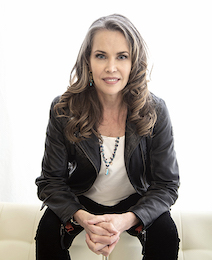
MD
KARYN SHANKS MD is a physician, author, and teacher who helps clients recover their lives from chronic complex Illness—a journey she’s walked herself. Her work integrates the sciences of directable human potential—epigenetics, neuroplasticity, systems-based functional medicine, and transformational psychology—with the lived wisdom that safety, compassion, and story are the true foundations of healing. Over four decades, she's learned one enduring truth: everyone can heal, and the best medicine comes from within.
She is the author of Heal—A Nine-Stage Roadmap to Recover Energy and The Wisdom of COVID-19—How to Rejuvenate, Reclaim Hope, and Heal in the New Post-Pandemic World.

