Grieving Your Old Self After A Diagnosis with Loni Fagel | EP 505

What happens when the person you used to be doesn't exist anymore — not because they died, but because a diagnosis, a surgery, or a health crisis rewrote who you are? In this episode, Loni Fagel joins me to talk about a grief almost nobody names: the grief of losing yourself while you're still here. Loni knows this from both sides of the therapy room. A genetic cancer mutation, a mysterious chronic illness, and a health crisis that landed her at Mayo Clinic didn't just interrupt her graduat...

 Apple Podcasts
 Spotify
 Castro
 RSS Feed
What happens when the person you used to be doesn't exist anymore — not because they died, but because a diagnosis, a surgery, or a health crisis rewrote who you are? In this episode, Loni Fagel joins me to talk about a grief almost nobody names: the grief of losing yourself while you're still here.
Loni knows this from both sides of the therapy room. A genetic cancer mutation, a mysterious chronic illness, and a health crisis that landed her at Mayo Clinic didn't just interrupt her graduate studies in psychology — they became the reason she does this work at all. We talk about her "D-Day" framework for naming the moment a diagnosis changes everything, why medical trauma is as much about what comes after the event as the event itself, and why people are so often invalidated by the very doctors meant to help them.
We also get into some of the tools Loni uses with clients: externalizing an illness by giving it its own name, expressive arts as a way to process what words can't touch, and why "post-traumatic growth" doesn't mean pretending the hard part didn't happen.
About Loni Fagel
Loni Fagel is a licensed professional clinical counselor, EMDRIA-approved consultant, expressive arts therapist, children's book author, and international speaker specializing in medical trauma, grief, and identity loss. Her work is shaped by her own experience with a genetic cancer mutation and a health crisis that upended her life and career.
- Website: lonifagel.com
- Instagram/social: @loni_fagel
- LinkedIn: search Loni Fagel
In this episode, we cover:
- Why illness and diagnosis create a real, nameable grief
- The "D-Day" framework for marking when everything changed
- Why medical trauma isn't about the event — it's about everything after
- Learning to advocate for yourself when doctors dismiss your symptoms
- Grieving a double mastectomy and genetic cancer risk
- Invisible illness and the cruelty of judging what you can't see
- Naming your illness to protect your identity ("is this you, or is this Patricia?")
- Making meaning without needing to believe "everything happens for a reason"
- Finding the glimmers of light in the middle of a health crisis
We want to hear from you: Have you ever grieved a version of yourself you didn't expect to lose? What resonated most with you in this conversation? Drop a comment — we read every one.
Continue the conversation at grief2growth.substack.com.
You've been listening. You're doing the work. But there's still this feeling that you're circling the same place.
Maybe you've thought about working with me one-on-one. Maybe something's held you back.
I get that. And I want you to know there's still a place for you.
All of it, pay what you want. You decide what it's worth. Nobody gets turned away because of money.
Want to go deeper? My Substack is where I share solo essays on grief, consciousness, and continuing bonds — thoughts that don't always make it into the podcast. It's also home to a community of listeners who get it, because they're living it too. Free to subscribe. Find it at substack.com/grief2growth.
I've been studying Near Death Experiences for many years now. I am 100% convinced they are real. In this short, free ebook, I not only explain why I believe NDEs are real, I share some of the universal secrets brought back by people who have had them.
https://www.grief2growth.com/ndelessons
🧑🏿🤝🧑🏻 Join me on Substack- connect with others and me
👛 Subscribe to Grief 2 Growth Premium (bonus episodes)
📰 Get A Free Gift
📅 Book A Complimentary Discovery Call
📈 Leave A Review
Thanks so much for your support
Close your eyes and imagine. What if the things in life that cause us the greatest pain, the things that bring us grief, are challenges. Challenges designed to help us grow to ultimately become what we were always meant to be. We feel like we've been buried, but what if, like a seed, we've been planted? And having been planted, we grow to become a mighty tree. Now, open your eyes. Open your eyes to this way of viewing life. Come with me as we explore your true, infinite, eternal nature. This is Grief to Growth, and I am your host, Brian Smith. Hi there, everyone. Welcome back to Grief to Growth, and whether you've been walking with me for years or this is your very first episode, I'm really glad that you're here. This shows up making sense of life, especially when life stops making sense. We talk about grief, loss, and the questions that live in the middle of the night. Who am I now? What do I do with everything I've lost? And is healing really possible when the ground beneath you has shifted? I bring on guests to help light the path no matter how dark it feels. Today, my guest is Lonnie Fagel, and Lonnie works on the kind of grief that almost no one names out loud. The grief that arrives after a diagnosis. Lonnie is a licensed professional clinical counselor, an EMDRIA-approved consultant, an expressive arts therapist, a children's book author, and an international speaker. But underneath the credentials is something more personal. Lonnie understands we're both the clinical chair and our own lived experience what it means to lose yourself when you're still very much here. And here's what I want you to sit with before we start. When we think about grief, we think about losing a person. We don't often think about grieving a body that no longer works the way it used to, an identity that got rewritten in a hospital hallway, or a sense of control that was quietly taken away from us somewhere between the waiting room and the operating table. Lonnie calls these invisible losses, the ones that go unnamed in medical settings, the one that nobody hands you out of casserole for, and I want to tell you they are real grief. In this conversation, we're going to explore the strangest-oriented experience of mourning yourself. We'll talk about why medical trauma isn't really about the event, it's about everything that comes after. We'll get into how illness reshapes identity, relationships, and autonomy, and why words alone often can't touch this kind of pain, which is where her creative and expressive work comes in. If you've ever sat in the doctor's office and felt something shift that you couldn't quite put into words, if you've come through a diagnosis, a surgery, or chronic condition and quietly wondered why you're feeling like you're mourning, even though you're still here, then this episode is for you. And you're not imagining it, and you're certainly not alone in it. And if you want to continue this conversation afterwards, head over to grief2growth.substack.com, and you'll find an article there about today's discussion, and you can comment and connect with me and other listeners. So with that, let's welcome Lonnie Fagel. Hi, thanks for having me. That was quite the introduction of my story. Yeah, it's great to have you here, and I'm really looking forward to having this conversation with you, because my listeners, basically, my program is called Grief to Growth. We all think of grief as losing as a person, but there's other kinds of grief as well. So explain, what got you into this work, Lonnie? You know, it's kind of funny. It's one of those things I kind of landed in. I don't know if I necessarily chose it. But I, you know, kind of throughout my kind of journey, I was in graduate school for psychology. My whole world got blown up by health, like a health crisis, and I had to completely shift and change. And when I was originally studying, I was looking at breast cancer survivors or women who had genetic mutations, because that's also part of my story. But after I kind of got out of the hospital, and I'm sure we'll talk more about that, I realized that I needed to mourn myself, and I had this great therapist who helped me realize that, and I was like, this is something I want to do. And so that's kind of how I got into this, and realizing through my own story that there's this kind of loss that we don't talk about, and that's not named, and it's invalidated. And so people just want to be seen and heard and validated and make meaning of what's, or make sense of what's going on with them. And I think this is a good way that I can help people do that. Yeah, so you said you were in school for psychology, and you got this diagnosis, and did you then have to drop out of school, or what happened then? Yeah, so this kind of part, it's funny, I had this kind of dual health journey between my genetic cancer mutation and all of that, and then this kind of health crisis. But I was almost done with my clinical psych, my graduate master's in clinical psych. And I had to medically withdraw. I was just starting my clinicals, and I was sent to Mayo Clinic, and I had to basically say I can't continue. I had missed too many semesters, and I had to medically withdraw, and realize maybe this is not the path that I'm going to be on, but I eventually was able to get back on it. But it definitely disrupted that. Yeah, and I would imagine you were pretty young when this happened. This most recent health crisis, I was 36 when I first got sick. But I've had health issues since I was a kid. I just don't think I ever realized how significant they were, because it was just my life. It was what I knew as normal. And so I realized there was a lot of my childhood. I also had to grieve kind of looking back. But it wasn't until nine and a half years ago when they actually were able to help me figure out what's been going on my whole life. And it just took me getting gravely ill to be able to do that. So this is something that's been going on for your whole life. So you still had this, I guess, grieving of a childhood that you weren't able to have. Yeah. I mean, I missed a lot of school. I broke bones easily, so I was always on crutches. I think I missed like half of my junior year of high school. So there's experiences that I didn't really have. But looking back, I had all these experiences, so I didn't realize I missed out until looking back and realizing, oh, no, that was hard. Yeah. Sometimes we don't even know what we've lost until later on because it becomes our kind of our new normal, I guess. Yeah. So when you don't know any other way, it's like, oh, maybe that wasn't normal. Yeah. Yeah. So when you first witnessed psychology, you weren't planning to go into this loss aspect of it, I assume, right? No. I was looking at like health psychology for the most part and helping people who are going through medical things. But I didn't realize then that it was part of like the ambiguous loss umbrella of loss of self. And so I, like I said, I just kind of fell into it and realized like the more that I went along, I was like, oh, I want to do my own research because there's not a lot of research and data on this. We have ambiguous loss of a person or, or an experience, but we don't always talk about that loss of self. And so it really became my drive, I guess. Yeah. So this loss of self, when do you think you first realized that you said you had all the stuff going on as a child anyway? When did, when, when did it hit you that this is a type of type of grief? I think it hit me maybe a three or four years after I got out of school. I was able to go back to school and I was kind of like, I'm just going to pick up where I left off and keep doing all this. But then I started to do some more kind of internal work on myself and with my own therapist was like, no, you have to grieve that life that you had because a lot changed after I got sick nine and a half years ago. And so I realized that that that, yeah, I think that is, that is where that changed was, was kind of along my journey and realizing throughout my studies and before I even graduated, that's what I wanted to do. And then since I've been kind of licensed and out in the world on my own, the more clients that I work with, the more I guess motivated I am to continue the work because most of my clients are medical clients. So I specialize in medical trauma and grief and loss and identity loss and then true grief and loss. But a lot of most of my clients come to me because they've had significant medical things and they think they're just dealing with it. But really we have to mourn and we have to grieve yourself. I think you're absolutely right. You know, I don't think we with that word grief often gets applied to the loss of self or loss of identity that we're talking about now. And I'm glad to see people like you putting in a name on that because that can really help people to understand what it is they're going through and the process that you need to go through. It's the same process as if you lose another person physically. Yeah. I think it's, I don't know if it's harder. It's just a different kind of loss because we, I think we see this a lot with like older individuals where I can still do that. I can still climb the ladder. I can still, you know, do this really heavy activity thing, but their bodies can't. It's the same thing when you have some kind of medical thing where I mean, I was fairly active before my health crisis. I, you know, I had it impacted my cognitive functioning, which I'm, it's improved and it's really good. And I've learned how to manage it. But I had to, I was so angry that I wasn't able to hike. I wasn't able to write a paper the way that I wanted to, or, or whatever. And I had to let go of that. But once I let go of that, and once, once people realize that this isn't something that they did and that it was part of the acceptance of like leaning into it, it makes their journey a lot easier. Yeah. You know, as, as, as I was looking over your, your background, getting ready for this, I was thinking, cause I'm, I'm getting the age where we're, we're, as we get to an age, we start to lose our ability to do things. And my friends and I get together and we talk about, you know, climbing up on a ladder or something. I'm not going to do it my age. But so there's, there's, there's kind of a natural progression that we go through, but we still fight it by the way. It's still don't like it. But when it happens to someone who's young, who has this expectation of like, I've still got 30 more years of being able to, to go hiking or whatever, it, I would imagine it hits us quite, quite a different way. It does. It hits, it hits differently because you see people continuing their lives around you and all the people who used to do all these things with, and my friends are doing this. And I, you almost feel left behind. And so there's that piece. And then, you know, there's the other piece of it, you know, I've had a genetic cancer mutation and I've had a lot of preventative surgeries or kind of really early intervention surgeries. And there's a loss of that too. So there's a loss of identity in your body. There's a loss of the ability to have children. There's all these different losses. That we have to grieve that are part of us and our identity. Yeah. Well, and when we first started talking, I asked you where you are and you said you're, you're in Minneapolis and you're, you're not from there. One of the things you had to do, you actually had to change physically where you live. Yeah, I had to completely change my life. And I, I was living in Los Angeles. I was kind of, I was in Marina del Rey. So very kind of beachy life, very kind of, I loved it. I was there for a long time. And I actually ended up in Rochester, Minnesota, which is where Mayo clinic is, which is a whole other world. And it was like the ultimate culture shock. And I was isolated there, but it was one of those things that I had to decide if, how do I get better? And I needed to be with my medical team, but I also had to give up my whole life and my house and, you know, the day to day and everything that I knew to focus on that. And then I decided after about two and a half years, I was just going to stay. And then I moved up to Minneapolis two and a half years ago. So, but it was, it was completely upending my entire life. Everything, everything changed. Yeah. And the thing is, I think we don't realize a lot of times how much we identify with things like where we live. Well, we all, we didn't, we know identify with our bodies, I guess, but we just kind of take it for granted that my body's this way and it's going to be this way. Yeah, definitely. It was an adjustment. Yeah. So how do you help people deal with that when someone comes to you and they say, I've gotten this diagnosis. Where do you even start? Yeah, we start with just naming it. So I kind of, this term has kind of developed throughout the years, but my clients, we call it D day. So what's your diagnosis day? And there's life before D day and there's life after D day. And so my clients won't once we label that of like, you're not just going through it. You had this very significant moment in time. You might've had the symptoms before, but this is where you had that information of this is what's happening. And that's that moment that things shift because until you have that moment. And so I think a lot of the work that I do is honestly just validating and just seeing people and letting them be who they are. And, and allow them to be angry, allow them to grieve and telling and helping them understand that you do have to grieve because grieving is a loss of something. We're, we're, we're letting go of something, whether it's a human or a pet or a, you know, health in your body or whatever, it is a loss. And so once we start to label that, that's when I feel like the healing really starts to, to, to shift and change in my clients. There's like that light bulb moment where I see, and they, they. Have the space where they can actually be 100% authentically themselves without having to worry about being a burden to others of like sharing things or they can just be in grieving and then hopefully find some acceptance. And I don't have to like my diagnosis. I don't have to like this new body that I'm in or how my body has changed or, you know, betrayed me that I can accept when we can coexist within it. And so how do we coexist with that? Yeah. And I would imagine that, that D day is kind of a dual edge thing, right? Because I've, I've talked to people who have had illnesses that were hard to diagnose and they're going to doctor after doctor after doctor. And I remember I interviewed a woman that had a MS and her doc and that's, that's a hard, hard thing to diagnose. And her doctor was like, it's psychosomatic. It's in your brain. You're making it up. So sometimes having that diagnosis can be a relief. Cause you've got a label for it. But then on the other hand, it becomes kind of our identity. Yes. I think that's the challenge. Like it can't be your identity. We don't say I am cancer. I'm not kidney disease. I am not. I have these things, but people make it their identity, but it's the process. Like some people go years. I mean, I think about my life. I went almost a lifetime before realizing some of these underlying things that I had. You, you spend so much time and energy and emotion trying to find something to be. And I think that's where the validation comes in because people are so invalidated. Like I had a doctor tell me, I just needed rest two months before I ended up in the hospital at Mayo. So it's one of those things where I also help people try and find the strength to advocate for themselves. Cause I do meet people who are still on their, their diagnosis journey, but it is. It's once you get to that, but it's that's part of it is also a whole other level of the medical trauma aspect of things. Yeah. Yeah. I've, I've, I've, I've known a few people that have gone through that and it is another form of trauma when the, when the doctor is not even validating your symptoms. And again, I've met more than one person that's gone through that where they're like, you know, you just, you need rest or you're, you're just high strong hurt, you know, just, it's, it's incredible that in today's society that, that people are still doing things like that. Yeah. It's just anxiety or you're just oppressed. And my brain goes, well, have you checked their thyroid? Have you checked their B you know, B12, you check their iron levels. Have you like, there's so many other things. And for me who is not a physician to be able to ask those things, how hard is it for medical professionals to like, think those and that's, that's a whole other. Yeah. So another thing I, it sounds like you help people do is to learn to advocate for themselves because, you know, we're, we're kind of taught that doctors are, they've been to medical school. They, they, they know things. They're supposed to know what they're doing. And we can give away our power to some of these people who aren't really frankly doing that great of a job. Yeah. You know, it's, we're told to trust the medical system because they know best, but I think our system has been changing so much that we've become less patient focused and more like productivity and like, how many people can we get in? And so people are being rushed through and not believe because it, it would be another 15, 20, maybe 30 minutes with this person. And if you don't say, Hey, no, there's more going on. I need you to listen to me or, Hey, I thought about, you know, these are my symptoms. I really need this without another, another additional appointment to come in because that's a whole other couple of weeks or whatever. Yeah. Well, you know, to be fair to the medical profession, they're, they're getting evaluated on things like how many people can you get through? And you have your doctor's appointments, 15 minutes now. And you know, I know people like my wife, for example, it takes her 15 minutes to say hi. And so you walk into the doctor's office and they're just like, they got the little thing, their heads down. They're just like, what's wrong with you today? And then they send you off to somebody else and they don't, you know, they'll ask you your medical history, but they don't ask about what else is going on in your life. Yeah. I had, I think what, why I, and maybe this is kind of a little bit of my own kind of rose colored glasses is I had that doctor when I moved, when I, my first doctor at Mayo was that doctor who was the first person that actually sat with me and he stuck with me for six years until he was told I was no longer, he was moved to a different department, but he was that doctor that changed everything. And that's where I know that that's possible, but they can do it. You just have to find that one who sits and we talk about, how are you? How's your family? I, it's funny. I now see his son who I heard about for years and now it's, I'm like, okay, this is really weird, but you get to know each other because we're not just our symptoms. We are a whole human being and we have all these other systems that impact who we are. And so we need to look at all of the symptoms, all the systems as well. And I think it just takes up one doctor who's willing to sit with you, but it they're far and few between because they, they're, they are so limited. Yeah. Yeah. Well, it's funny cause my, my wife and I debate this all the time. I'm seeing a dentist right now and, and she's, I don't even know what her face looks like. I've seen her two or three times because she comes in, she has a mask on and I don't care because I'm like, I just didn't get my teeth clean, but my wife wants the whole experience. So, but when it comes to some of these complex, you know, things that are going on with our bodies, what a lot of times we're not realizing there is a, there's a huge mind body connection. So what's going on in your life can affect what's going on in your body and vice versa. Yeah. Like our symptoms, but I think like, especially from a trauma perspective, the cortisol levels go up, inflammation goes up. So your brain is going to get worse. Your symptoms probably might flare up. And so I think it's, it's that unintentional anxiety that's caused by the medical system that then I think contributes to the cycle of people staying sick, but it's like the, the, you know, the brain gut access, like art. Why are we looking at GI symptoms and not just, or just GI symptoms or just anxiety symptoms? Why are we not looking at whole, like whole system, like whole systemically? Yeah, that's a really good point. You know, and I'm actually just launched a new radio program and UK health radio. So I've been looking in a lot more health aspects of things. And finally, medicine is starting to come back around and saying things like, like you just said, you know, grief, for example, spikes are cortisol levels. We know cortisol is a stress hormone and we know what cortisol does in the body. So it makes sense that when you're in grief, you're going to have these, these types of symptoms. Yeah, it is. It's, I mean, I work with people all the time who's they come to me and they're grieving. Their bodies are tense. I can't eat. It's right. The grief diet. I can't eat or overeating because I, it shuts down. And so it is, we're all, we're, we're all interconnected. It's not separate systems within us. Yeah. Yeah. That's, that's a very good point. And so what you were talking about the work that you do, you're doing validating people and witnessing. I found years I've been doing this, this grief work is I think that's probably the most important thing that I do is to, as you said, tell people you're not crazy. Your symptoms are, you know, are not just the result because there's something wrong with your, with your mind. It's, it's, it's a physical thing that you're going through and grief can have very physical things. So I can only imagine if you've already got something going on in your body anyway, if you're dealing with grief and you're not resolving it, it's just going to exacerbate whatever it is you're going through. Yeah. I think one of my favorite things is when they come to me very tense and like, and like slowly they become more relaxed and at ease because they realize that they can. You know, it's interesting. I have, I have high blood pressure. I have white, but I have white co-pipe hypertension on top of that. So I go to the doctor's office and I walk in and they, they, they rush you back there and they put the cuff on you and they don't, you know, they're, and then they just take your blood pressure and then they'll come back and take it five minutes later. And every single time it's lower, every single time I've ever had it taken. But if you don't get that second one, the doctors say, oh, your blood pressure is it's insane. Right? Yeah. No, I also have primary hypertension. So it's, it's a hard thing because you're like, this is not, this is stable every day in my house. So that I come here and you're telling me, like, no, it's not, it's not under control. Well, no, it's just this moment. Well, I, I actually asked my doctor last time, I said, what's my pulse? And they told me what it was. It was like 75 or 80 or something. I said, my resting pulse is like 55 or 60. Yeah. So, you know, there's, there's something else going on here. But that does, that's the thing you have to do to advocate for yourself. And, and not to just listen to, you know, what they're saying, cause they'll just check off the box and say, yeah, this is what it is. Yep, exactly. So you've been doing this work for quite a while now. How do people, how do people find you? I think people find me either through, you know, psychology today, or they might Google grief, medical trauma, Minneapolis, and I might pop up. So generally that's how people find me. A lot of people have been referred to me like word of mouth. So a variety of different ways. But I'm now licensed in, I'm privileged, I have privileges to work in other states. So I'm trying to expand that kind of network a little bit wider. Cause I can see people virtually as well. Yeah. Yeah. So is licensing an issue for you? Cause my daughter is a mental health professional and I know that it's, the system is crazy. You have to get licensed in every state and some have reciprocals and some don't. So there's something called a counseling compact, which is fairly new. It's for LPCC or LPC. So LPC is at least in Minnesota. It's like one step higher, like clinically then, but you can just apply for privileges in other states and you, some of them have to have reciprocity, you know, exams or whatever, but for the most part, those states that I'm, so that's Ohio, Arizona, Indiana, I just, two more, I just added on, are through the counseling compact. But then there's other states like Wisconsin or Georgia, Georgia's through the counseling compact, but it's a whole other thing where I have to go through the whole reciprocity process as well. So it's a, it's an every state is different. It's just like, we just need one, one system across the board. Yeah. I really, like I said, my, my, my daughter being in this now and just going through the licensing with, with Northern Ohio. But, you know, she literally lives like 10 minutes from Kentucky because of the, in the tri-state area and they're working on some reciprocity things now, but I don't think it's been worked out yet. And, you know, the type of work that you do blends itself very well and doing, you know, over the internet. But you can't, you know, you can't practice in California. Nope. And I, I mean, we're fairly close to Wisconsin and to Iowa clients over the border. You know, I'm just going to school for two hours away, but they're in Wisconsin now or forever. Yeah. Yeah. So in terms of people, we talked about the advocating for yourself. Have you found that people have difficulty with that? And if you have, what types of things have you done to help them to do that? People have a hard time at first, especially when you're constantly let down by the system. And so it takes a lot of trauma work, honestly, because I think of trauma as a loss of safety. Because it's a loss of safety at the doctor's office. And so trying to find safety within that environment as well. And how do you, you know, go from having either maybe months or years of being so negated and, and told there's nothing wrong with you to know, trust in yourself. You are the expert in your body. You don't have the, you know, the, you know, medical degree, but you know, your symptoms, you know, what's acute, you know, what's chronic. And so a lot of it is just kind of grieving and that loss of safety and also understanding like this isn't in my head. And so that trauma work is really, really important in helping them to have that strength in order to be able to advocate and feel, feel like confident enough to advocate for themselves. Yeah. That might be another word that we need to expand is, is the, is trauma. Cause I think we think of trauma as like a, a, an event, something, something happens. It's a, it's a violent event or something catastrophic, but there's trauma associated with getting this type of diagnosis too. I would imagine. There is because it's, and I'll speak to my own experience. And I think maybe this most, I've been going through a couple of different things the last few years, but this, this kind of health crisis, it was really scary. It was really traumatic because I didn't know if I was going to live or die. I always feel like very dramatic saying that, but I didn't, they didn't know if I was coming out of the hospital or not. And then what was going to happen after. And so it was, it was scary and then having all the doctors around me. And I, there was one time when I was in, I think I was in isolation in my room. I felt like ET, everybody was in all their PPE because I, and then nobody told me. So there was that trauma of it. And so I had to actually deal with the trauma of it as well as grieving myself and that life that I had left behind, but the grieving came later. I had to deal with the trauma of it. Yeah. Yeah. That, that, that, that, that, that loss of safety, as you said, right? That loss of feeling like the things are going to be okay. And I don't think you're being dramatic at all because, you know, we, you get those, those, those scary words that doctors say. And again, we, we kind of take a lot of that as, as they know, they're the experts, right? You, this, your, your odds are this, you know, and I understand that doctors have to deal in odds, but the more that I've looked into this a little bit, odds are just odds. Your, your results could be completely different from somebody else's. If there's a 95% chance of something happening, that means there's a 5% chance it's not going to happen. Yeah, exactly. It's like they read you all the risks and limitations before surgery, but at the 1% chance, but that 1% chance is all that people remember. Of course. So, yeah. So there's, I mean, so there's that aspect. And then I, you know, I also talked a lot about my genetic cancer mutation. I had a double mastectomy last May and my reconstruction surgery. And there was a, that was a whole other level of trauma and loss of safety in my body. Because I was told this is, these are your choices. You can be on chemo for five years, or you can have a mastectomy because otherwise you're going to get cancer because my family had a 50 50 chance of getting breast cancer. But there's that fear that goes along with the word cancer. As well. And then that loss of safety in my body because it was going through all of this physical trauma. Like I see a double, like a mastectomy as an amputation because it's a removal of a body part. And then you have to reform it. So that was a whole other level of the trauma as well. Not just the physical trauma, the emotional trauma, but then the loss of safety in my own body and also the loss of my actual body. Yeah. And I think it's really important to acknowledge that because I think we don't, we don't maybe necessarily pay enough attention to, to that because it's not a very visible part of your body. And it's a part that's usually covered and stuff. So, you know, from the outside perspective, we may not understand the trauma that goes along with, you know, losing a part of your body. Yeah. I mean, and you're left with scars and I mean, I've worked with men with had testicular cancer. I've worked with women, like all different kinds of cancer. But at the end of the day, especially when it's a physical part of also of your gender identity as well. And these things that are along the lines of like sexual, you know, sexual identity, gender identity, femininity, masculinity. That is, you look at your body and you're like, Oh, like I'm left with the remnants of what it was, but nobody can see outside, you know, underneath what's underneath the clothing. Right. Right. Well, it reminds me, I was listening to, you know, we're just recording this a couple of days after the 4th of July. And it was just someone talking about the wounded warrior project. And this woman was saying that, you know, she was suffering coming back from, from being overseas and deployed. And there's a thing they say that not all wounds are visible, I think is the phrase that you use. And she heard that and it really, you know, stuck with her because we're thinking mental. But in the case of like you said, having a double mastectomy, that's something that's not visible to other people. And they don't know what you're going through. Yeah. It's the, it's the invisible wounds, but there's also the invisible illness where you look so healthy. Yeah. That's like one of the worst things you can say to somebody who is going through a health crisis or have, has chronic health things where inside they don't feel, I always say my outsides don't match my insides. Yeah. Yeah. But there are days where I might look better, you know, on the outside, but on the inside, I, it is. They're, they're invisible wounds or they're all different kinds of scars in life. Yeah, absolutely true. And I just say, I was reminded of people sometimes to see someone park in that handicap spot and somebody will accost them and say, why are you parked in that handicap spot? You're walking. You don't, you don't know what's going on with that person. That happened to me actually, when I was in undergrad, I have something, the joke in my family, if it's weird and rare, it's going to happen to me. So it's like a chronic exertional compartment syndrome, which is a whole thing. But when I was first diagnosed, they, I was on crutches. I couldn't walk for more than four or five minutes. So I had a disabled, you know, parking pass and I went to the mall with a friend and I look very able bodied and I literally just got in the car and this woman was like, how dare you? How dare you take that space from someone who needs it? And I was like, how do you know I don't need it? But that also like put a seed of doubt in my head of like, do I really need this? Am I really that bad? Because you can't see it. Right. But I know how, I mean, I've had to have, I've had four different fasciotomies in my life. And now my, my, my fascia likes to keep growing back. And so now I have to manage it through Botox, but that was also a whole other thing, but being told that you're not sick enough. Yes. Yeah. And, you know, so I hope people that listen to this will realize just don't just don't know when someone says that they're disabled. You know, we look at them simply, you don't look disabled or they're, they're parked in a space, you know, you don't know, you don't know what they're going through. So we need to just sometimes keep our mouth shut about what other people's businesses. We don't know what other people are going through. And that's the thing. And we don't know unless we ask. So we just assume we're just making up this narrative in our head of what somebody is or what they're experiencing versus actually knowing the truth. I think not just health wise, but just in general, we need to be more mindful of that as well. Yeah. And like you had made a really good point. You know, your people can actually plant seeds of doubt in your, in your mind, am I, am I really sick enough to, to do this or to have this or, or whatever it might happen to be. You know, we don't, what's going on in another person's body, what's going on in their mind. It's not always, not always visible. Yeah. It's not always visible and it's not always the same as your experience. Yeah. Like, Oh, I know somebody else who went through that, or I did this versus like, what's your experience? Yeah. Yeah. Yeah. Do you find people giving you medical advice all the time? Cause that's another thing that drives me crazy. They did. And now I've learned, that's one of the things there's so many people who have their own experience and their own advice and things that work for them. And I say, I used to get really annoyed and really frustrated. And now I just say, thank you. This is what's working for me, but I'll take that into consideration. Yeah. Back of my mind, I'm like swearing at them and I'm like, how dare you? You're not my doctor. I had a, you know, you, you, I'm going to go to my specialist for that. Thank you. Right. Right. But I, it took me a while to not get so angry at people because it's, it's well-meaning it's well-intentioned. And it's, it's, instead of, you know, taking it, this person's being malicious and they're trying to hurt me versus, or they're trying to like say that they know more, they're just, that's generally people's way of helping. And so it's kind of allowing and being like, so that wasn't helpful. My body can't do what you're suggesting I should do. And so, no. Yeah. Well, I, and I do, I know people say these things. Well, me is the same thing when you, when you've lost a person, you know, people say things to you that they think are helpful. Just the other day I made a post about my daughter passing away and, and, you know, I got, you know, we just have to listen to the Lord's will. And I'm like, I know that's your, that's your theology and that's what you believe. I don't find that to be helpful. So, but I, I try to keep in mind that people are doing these things because they are, they do want to be helpful. They want to solve your problem. But they don't understand your problem is complex. There are people, you have a team of specialists that are working on it. Yeah. And it is. And it's, I think that's also part of that invalidation of the grief of it. Because when someone is trying to help fix you, they're not just allowing you to just be. Yeah. Yeah. Yeah. That's, that's a good point too, because people, and I guess they feel uncomfortable with, with someone else, you know, and they, and they want to just like, well, just, just do this, just, just drink, you know, take magnesium or something. And that'll fix it right up. Yeah. I'm always like, this is what worked for me. This is what's what I know work for other people. Always ask your doctor. Yeah. Yeah. Or what, what is within what you can manage, but it's, it's, I think it's just part of our society and what we've been taught to say and do. And there's a lot of unlearning around that, that needs to happen. There is a lot of unlearning and I've realized that my, myself, as I said, and, you know, even as long as I've been doing this work, you know, working with people in grief and stuff, I don't always know the right thing to say. And sometimes I say the wrong thing and I'll be like, oh, I can't believe I said that. It's hard to just know that, you know, there's, you don't always have to say anything. Yeah. We don't always have to, you know, there's not, we can't help everybody, you know, that's hard to accept. I always, one of the first things I always tell my clients is I don't get out because otherwise, I'm not helping you. Yeah. Yeah. That's, that's a good point. You know, it's, you know, in the work that we do work with people, you and that's what we're there for. We're supposed to help, right? Yeah. And sometimes we can't, I mean, sometimes it's just like it's, it is just the witnessing and just the validation, I guess, of what, what people are going through, because, um, and I'm like, We can't we can't take it away from them. They it's their it's their own journey. Your journey is your journey And you know, I can I can offer sympathy and compassion, but I can't take it away from you. Yeah, I mean that's 90% of the work that I do Yeah, it's that level of humility and empathy that needs to exist Yeah, so for people That you know that they've gotten a diagnosed we were talked about like understanding first of all that it is a traumatic event Mm-hmm. It is it is a grief of that and so, you know seeking out just I guess just seeking out someone like yourself Is I think really important because again your team of doctors a lot of times they're not gonna recommend that right? doctors ever refer people to you or no, I Know and they should I that's something that I've been trying to advocate for in the medical community is with a diagnosis Whether they don't have to go long term, but have part of your treatment plan Let's lose cancer, right? You've got your chemo or radiation surgery and a therapist Yeah once right it needs to be part of the treatment plan or somebody who has a diagnosis of MS or And ometriosis is another one. I have a lot of clients who experience endometriosis I that was part of my I said lots of weird rare things But There's such an emotional aspect to it and it's a shock because they give you here. Here's the facts. Here's your pamphlet Here's the plan of action, right? But it's how are you doing with all of that, right? And I think that is something that We need to realize that needs to be part of that like integrated health team That's an integrated medical care where we're looking at not just the physical body Mental health or here's some here's some anxiety meds because you're anxious because of your symptoms versus let's why don't you go talk to somebody? And here here's a list of people that I would recommend that is that is a fantastic point I was as we were talking I was thinking about one of my my daughter's at LPCC And so one of her jobs is she was a behaviorist. So she worked at this medical center I was I guess like general practitioner doctors and dentists and stuff like that So if they needed, you know someone they would bring her in But it was a very short term thing. It's just like, you know, why you're there in the office. So But it wasn't really like, you know, you've got a serious diagnosis You should probably talk to a mental health professional about this. Yeah, and it is not happening. Yeah, so That's that's the way I think our system needs to evolve and I think The quality of care and the patient outcomes will improve I mean science has improved drastically which has helped improve patient outcomes But then they're left with this residual emotional kind of Like the residue of it and yeah, what do I do with that? And so It's it's something that I think we need to continue to kind of evolve into more and more. Yeah, I absolutely agree with that and Have no doubt that would improve patient. I mean, there's there's there's there's a lot of science that's that's being done more and more It's kind of getting back to what we knew a long long time ago that you know Your your spiritual mental health is just as important as your physical health and the two work hand in hand And if one's not working, right it can throw the other one off and we and so now we have words serotonin and cortisol and You know, we could we could put labels on what it's what's happening But so we know the mechanism a little bit more but we know what happens, right? If I'm stressed out my my blood pressure goes up my heart starts beating faster, you know I can't sleep as well and that affects my general health Yeah, it's the biopsychosocial spiritual. Yeah, you need to look at all of those factors. Yeah Because we're very complex beings Yes, absolutely. We are I you know, I'm a my thing is I we're very spiritual beings I believe I believe we're primarily spirit But but there's you know, some people go so far and they deny the fact that we're also Physical and and chemistry and biology effect, you know who we are as well So it's treating that that whole person and that's that's the piece That you're filling in for some of these people that are just getting that you're you're a robot And so we just cut this off or we just give you this pill then it'll fix everything It's not and then and it doesn't it just leaves it. Yeah Yeah, and some people I think it depends on what your resiliency factors are because some people have higher, you know you know resiliency factors like that they're able to bounce back a little bit more but not everybody and I I Dare to say the majority don't have all those resiliency factors to be able to bounce back to who you were before Because you are not who you were before You are somebody Totally different we're not the same person from moment to moment either So throw in a medical diagnosis and surgery or or whatever and you're a totally different person Yeah, I I happen to believe we're never who we were before We're born and we're changing the events of our life for changing us from day to day to day And so when people come to me and they're in grief and they're like, I'm not who I was before I just want to get back to who I was before. I'm like I said, well, I've got good news I've got bad news you you're not gonna go back to who you were before. I can't be who I was at 25 I can't unlive the last 40 years of my life, right, you know So these events do changes but they don't have to change it in a negative way They can they can change this in a positive way as well Is that familiar with post-traumatic growth? Yes, it's that post-traumatic growth piece where like how do you grow through what you go through? Yeah, it's it's making so I do expressive arts therapy So what am I I'm doing this with my clients? I call it. He's gonna swear. It's called it I call it a shit pot. I can't think of any other term for it Yeah, but it's a flower pot and on the inside we're putting all of the things that they went through their past The negative like their their diagnosis all of the because the best fertilizer is manure manure is shit, right? So that's what fertilizes who we are and on the outside It's who we are becoming and or who we are now Versus on the inside is who we were and all those kind of things that we went through and then we kind of You know put some potting soil and a seed and then what grows from that is all the things But we aren't who we are because not like despite of everything that happened to us We are who we are because of everything that happened to us and trying to embrace that but also acknowledge I Am NOT that person anymore. This is who I am. And so how do I grow into myself and grow something new out of that? Yeah, so that's the expressive part of your of your what you're talking about And I don't know if you know this but my my grief to growth is my podcast and stuff But my tagline is planted not buried. I love that that so when we are when we go through these events We feel like this is it. This is the end, you know, it's over So that's that's when you bury something but when you plant something and that's why I love what you're doing When you plant something it's something more comes out of that, but it comes from The darkness and and the shit and you know the it's not a comfortable thing that we go through It's not it's and I think if you're allowing yourself to sit through that darkness through that grief I'm all about different kinds of metaphors and If you're familiar with the movie the princess bride So, you know how they have to go through the fire swamp they have to get through the fire swamp to get to the other side That's the only way through right only way through is through the fire swamp Right, you have to go through the fire swamp But if we go through the fire swamp by ourselves We aren't always going to make it out because we might get sucked into this quick sand or those giant ugly rat monsters or whatever Yeah, we have to allow ourselves to go through it and we have to fight through it But it's going to be uncomfortable. It's going to be scary There is another side to it. You just have to go through it Yeah, I I completely I agree with that and I think that you know, and i've talked to so many people who have had illnesses or trauma whatever in their life and Once we get to a point it doesn't happen While we're in the fire swamp maybe necessarily, but once we get through it, we're like, oh that that makes sense now I understand why this happens. Yeah, I what I understand why this happens. I understand why my behaviors were this way why I reacted to this why I was so depressed why I You know was so angry all of those things, but now I I realize I think that's that making meaning piece that gets so misunderstood a lot and i'm making meaning not because I have to necessarily Reform and reshape and make something new but i'm making meaning is just understanding it and conceptualizing it. Yeah Yeah, I know it's interesting as far as the making meaning goes because i'm i'm a very my background is chemical engineering So i'm kind of a rational person This this happens this happens and so when people start telling me things happen for a reason and i'm like I don't know if I can really buy that But what I tell people is like whether things happen for a reason or not You get to assign reason to it or meaning to it And you can take this and you can you can make meaning out of it So you can use this to inspire yourself or you can grow from this whatever. That is your choice. That's not a that's not a Spiritual thing that's just like your choice. Yeah, like you get to decide what's the narrative of your story Is this is it just going to be one continuous chapter where nothing changes and you just kind of except for how you Sit in it or you're going to close the chapter and then start writing a new chapter and continue the story and it might end in a different way Yeah, I don't know if everything happens for a reason or because it's supposed to but I think things happen because they happen And then what do you do with it? Yeah, well, like I said, I there's from a very practical point of view a pragmatic point of view and i'm working with people I'm like if you don't believe things happen for a reason, that's fine. I actually do believe it If you don't that's fine You don't have to because you get to choose the meaning from it and i've seen people After they've lost a child, you know start a scholarship fund or do you know work on medical cures or whatever it was That happened to their child the woman who started mothers against drunk driving, you know Her daughter was killed by a drunk driver Did someone cause her daughter to be killed? So mother's gonna drunk driving could be started. I don't think so But that's something that she chose to do Yeah, it's what do you do with it now that you have it? Right? So in in terms of your your own journey Where are you now in terms of uh, the meaning behind it? I'm in the action phase. I i've taken again pain into purpose I've Gone through all of this. I would say the last two years was a really tough grieving process for me just because I had a hysterectomy a couple years ago. So there's the grieving of that and then this kind of grieving of you know I don't know if it was a sense of control because I was I was allowed to make my own decisions I was my doctors have given me autonomy Up until a couple years ago where I got to a point where my doctor was like no We're we're at the point where i'm telling you and so I lost that control And so i'm starting to realize like all of those things I had to go through that really tough grieving process Again again and again and again But i've come out through it Where things are blossoming it looks different. It's Helping other people because I know what it doesn't what it feels like to not feel seen to not be validated to not be allowed just to Be sick And so that has become part of it and that advocacy work as well. I'm really trying to take a You know bigger stand And do some more speaking things on the medical trauma aspect of things because especially with medical professionals and how do we work together? But that's that's where i'm at in my grieving. It's like that making meaning Kind of phase but like we know grief kind of goes in like these jumbled waves Absolutely I like to say it's you know Like the old cartoons where they walk and like they hit hit in the face with a rake when they're not looking where they're going grief just Automatically like pops up and hits you in the face. You're like, well, I wasn't expecting that today Yeah, exactly. I think it's really important for people because someone looking at you and listening you might think oh, well She's she's fine now. She's it's all behind her and she's she's on the other side of it. And um, it does You know life keeps coming at us and uh, it's been 11 years since my daughter passed away, you know, like a week or so ago And there's still times when it you know that it hits me So we don't we don't have to be completely we're not going to be completely healed I believe as long as we're in the body, um, we don't have to be completely healed to to start that process Yeah, I think it's that's the acceptance piece too is I don't have to I will never be completely healed because I we still have days where You know, I called that the fuck it's like the efforts, right? Like why me the why me days? Why am I why did I have to go through this? Why am I not able to it? though that's okay because I can Come through and I know that i'm able to but I still have those days And i'm a human Right just i've gone It doesn't last as long it's not as intense as it used to be right? Right, I just allow it and instead of fighting it and trying to fix something. I just have a day or two where i'm just like Well, this is what we're gonna do today. Yeah. Well, you know, it's it's you know The poor Elizabeth Kubler-Ross who came up with the five stages of death and dying and people you know applied it to grief You know people think okay Well, I go through acceptance blah blah, so i've already done the acceptance phase i'm over that That's not the way it works. You know, it's it's something we have to continually Do yeah, it's it's something I I get like a message from a client Who were you know? Maybe on the other side of whether it's a traditional loss or a you know, a ambiguous loss or identity loss I'm having such a hard day. I was having such a good day yesterday. I'm going backwards like there's I don't know how there's I'm like, but where were you like four days ago? And Let's see where you're at when you come into my office in two days and then we'll go from there But it's that like momentary like i'm relapsing on grief Yeah, exactly But grief is not something you can relapse on because you're never really over it It just gets quieter over time or maybe it gets louder yeah, that's really and I love the way you said that, you know, it's like it the I the analogy I use is like it's like waves and when your first when it first happens the waves are like they're They're 10 feet tall. You don't know where when they're coming You don't know when they're coming and they're just and they're coming often And the waves get smaller they get space farther out. You can kind of anticipate them more Um, so it's it's like that but they don't ever they don't ever just go away Yeah, they just it's just you experience them a little bit differently Yeah, yeah you do and you and you realize, you know, i've been here before I i've got through before I will again But yeah, I get those I get those things for clients, too It's like i've i've just i've gone back or i'm not making any any progress and i'm like, yeah You don't you just don't see it. That's one thing that you know, you and I can do is help people Realize you are you are making progress, but it's it's like watching a plant grow You know, if you look at a plant every day, it's going to look pretty much the same as it did yesterday Mm-hmm where the watch plot never boils. Yeah I a lot of a lot of my like well my medical clients I have them name their illness or their condition because it externalizes it And so I might say is this you or is this patricia today? Oh, yeah I like that Right. Is this you who's having a hard day and you're grieving that or is patricia Just being that annoying visitor that you need to like put back into the cellar or whatever like wherever you keep Whatever you name it and that also really helps people conceptualize their grief as well because it separates It's part of them, but it's not all of them and that's part of that identity work as well of who am I? Yeah I want to ask you this question. This is going to come like kind of out of the blue, but um I believe in something it's called analytical idealism, which is a philosophy that consciousness is We're all just consciousness and material is part of that So I was listening to this guy. I really I like a lot of his name is bernardo castrop and he was saying That he said if I ever get cancer, I don't want to fight it. It's not a it's not a battle He said it's it's a part of my body. That's just like out of alignment. Basically And so I'd rather just talk to it and say okay You're part of a hole because this whole idea is that we're all part of a hole You're part of a hole and you're not acting like you're part of the hole right now Like we do sometimes as people so let's get you back in line and do what you're supposed to do Kidney cells you're not supposed to just grow as fast as you can there's there's a rest of us out here No, I love that. Yeah, because it's Just go with the the breast cancer thing right the mastectomy I'm not losing myself. I'm just losing this part of me. Yeah, just losing skin and cells and Whatever, right? I'm not losing myself completely. I'm not going anywhere I'm just evolving and changing but it is it's just just Literally cut it out and take it away and then we'll do something different Yeah, it's you know, it's it's it's interesting being being in the body as I believe we are It's like we identify so closely with it because it's it's really kind of all we know Which is why and then when you said, you know naming your your illness and kind of Kind of separating it out a little bit. So it doesn't become your identity Did you realize okay? This is this is not me. This is a part of me This is you know, but it's not who I am at my core It is I I mean, I read a lot of poetry and I do a lot of artwork And and again just speaking on this specific example, I I wrote a poem I just call it goodbye dear friends I talked to them like they were friends who were going away Not like goodbye me goodbye left, you know, right? It was goodbye dear friends So I wrote it like as this kind of tribute this poem Saying goodbye to my friends not to me and like that honestly, I think was probably the most powerful moment of my of my healing and kind of grieving process because It was it wasn't me that's going away. It's just this very just a physical piece Yeah, yeah, that's that's again. That's the that's the dichotomy That's the thing that we have to wrestle with is like how closely do we identify because we we obviously need our bodies We love our bodies and our bodies take care of us and we've taken our bodies, but it's not who I am and and ultimately If we live long enough, we're all going to go through that loss We're gonna if we we're gonna get that that diagnosis We're gonna get that call or we're gonna get the like I said for me like certain things. I can't do anymore I just I just can't do them. That's just the natural part of aging. That's part of being in the body yes, it's I just had a conversation with my 79 year old father about this a couple days ago Oh, really you're not supposed to be able to do these things anymore Yeah but it it is I The acceptance piece I'm not who I was Yeah I I can remember those things with with good with fondness or maybe not But that was me back then What can me like what can I in this moment do that i'm capable of doing right now? Yeah, and that reminds me one one other thing I wanted to say because I heard this guy was it was a medical professional saying this I think he worked in um It was a guy that looked worked in icu But he said that you know when all these things are going wrong with us and you've had multiple things There's so much going right If you're sitting up and you're speaking and you're able to eat and you're you know, you're able to see There's so many things going right and we focus on the things that are going wrong Yeah We we need to look for the glimmers of like the glimmers of light Like the there's a young Ian kind of phrase. We look for the gold like the glimmers of gold in the darkness Always we're only looking at the darkness. We're not seeing these little kind of specks of light and gold which is where the healing happens and The more we allow ourselves to be in it. It's it's the perspective shift It's like this is all i'm seeing but i'm not seeing everything else around me. And so Sometimes I feel like my work is holding the light for some people until they can find it themselves But it's I always ask but what's going well Yes I ate today or I was able to get out of bed and wash my hair today. That's a win like but that's all I did But no, but you did that So take it you couldn't do that yesterday I love that. I think that's I think that's so important because I I believe that life is really about perspective Yes, we can we can always find things that are wrong again, whether whether i've got a diagnosis or not I can I literally can always find something that's going wrong. Yes Um, but if we don't focus on all the things that are going right And then we we just kind of take those things for granted and sometimes The illness can kind of bring us into focus Right and and if we weren't able to walk like this one last thing that had ms and she was wheelchair bound for a while Now she's really grateful to be able to walk. Yeah, it is it's um I think that's that's part of grief, right? Because we think I think the grief especially the loss of identity is what we've lost And we have to lose that we have to let go of it But we also have to realize what are we becoming? Right, right and when we're only focusing on all the things that we've lost and who we've lost in the loss of self We're not focusing on who I am and who i'm becoming and who i'm capable Of getting what what i'm what what seed is being planted and what's what's growing from it. Yeah. Yeah Lani it's been really wonderful getting to to get to meet you and get to know you Tell people if they can where they can find you Um, they can find me on social media. Um, I think it's just at lani underscore fagel i'm also on linkedin, um under my name and I also have a Website, it's just lani fagel.com Um And I think those are the easiest way to reach me. All right Well, i'll put that into the show notes, but yeah great to meet you this afternoon and enjoy the rest of your day Thanks you as well. Thank you Bye
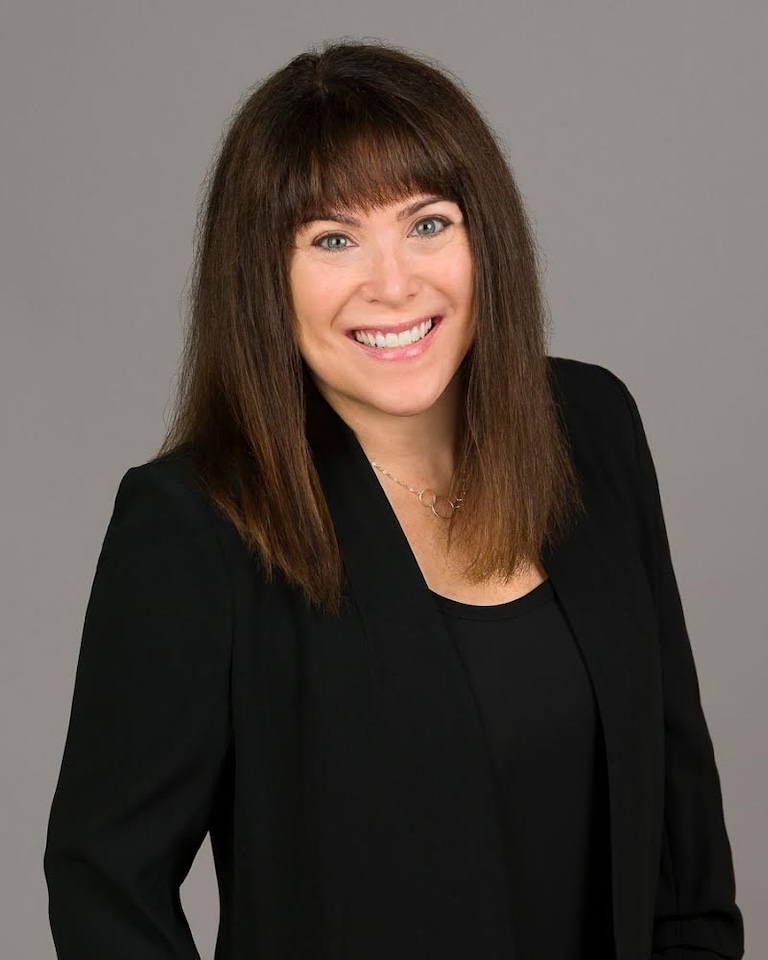
Therapist/Speaker/Educator/Author
Loni Fagel, MA, MEd, LPCC, RST, is a Licensed Professional Clinical Counselor, EMDRIA Approved Consultant™, Registered Sand Therapist, and expressive arts therapist who believes in the power of creativity to heal. She helps people process emotions and build resilience through the use of storytelling, movement, visual arts, music, drama, and creative writing. With years of experience, she has guided individuals through grief and loss, trauma, identity exploration, and medical challenges, using expressive arts therapy to create meaningful healing experiences. Loni brings a creative, integrative lens to both clinical practice and professional education.
As a dynamic speaker, trainer, and author, Loni teaches across the U.S. and the globe, showing how creative expression can support healing and personal growth. She is passionate about helping others find their voice, discover inner strength, and explore new ways to express themselves. Loni offers engaging, research-informed trainings on topics including EMDR, grief and loss, ambiguous loss, medical trauma, neuroscience, and general trauma and impact across the developmental levels, and the integration of expressive arts in therapy. Her work emphasizes the power of creativity to support emotional release, self-expression, and post-traumatic growth. With a commitment to culturally responsive, strengths-based care, Loni creates learning environments that are inclusive, experiential, and deeply rooted in compassion.
She is an active member of EMDRIA, ACA, IEATA, and AMHCA, and is dedicated to empowering both cli… Read More

